In brief
When Azerbaijan’s education ministry enforced a new uniform policy last week, refusing to allow students to wear hijabs, it sparked the country’s most visible protests in years. Teenagers, parents and activists gathered outside Baku schools and filed complaints of religious discrimination, while state officials detained dozens. The controversy has drawn criticism from Turkish politicians and religious groups, who see the ban as an affront to faith, and led to diplomatic friction that could ripple through regional alliances.
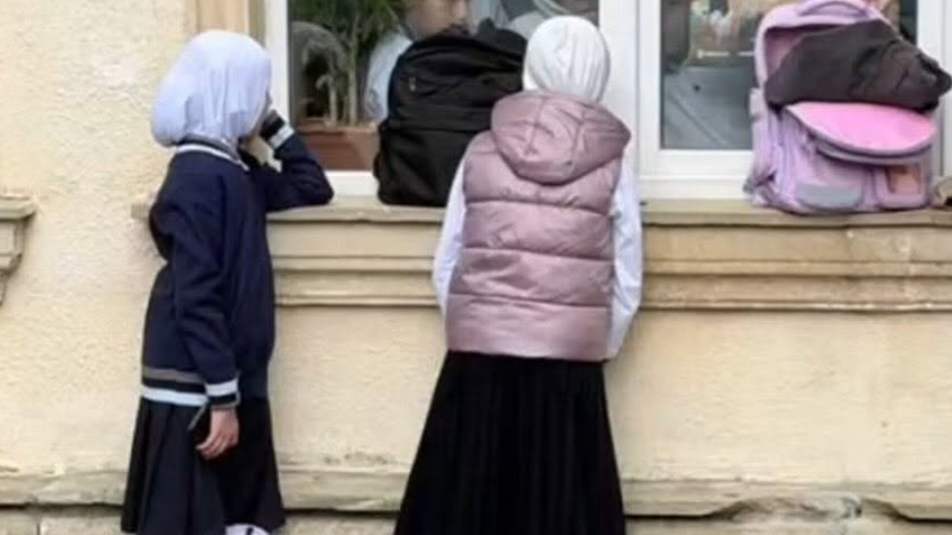
You are telling me, I can't come to school?—a teenage girl in a navy blue hijab confronted a school guard in Baku, her voice echoing across a crowded courtyard. Her words, echoing a universal question of faith and state, were amplified online and set off a wave of demonstrations that has rippled through the country’s capital and down into the southern districts.
Since Monday, the education ministry has demanded that all state‑run schools abandon clothing that contradicts the principle of secularism, a directive that, in practice, means turning away any pupil wearing a hijab. Ten‑five million people live in Azerbaijan, a country that declares a secular constitution while the majority of its 60 % Shia population practices a conservative form of Islam.
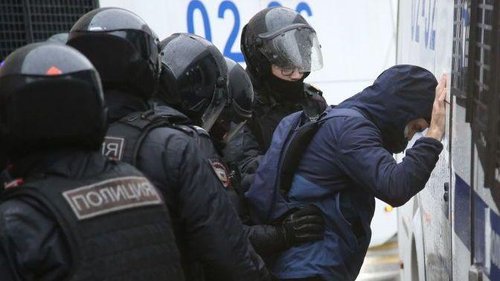
Authorities arrested 37 people on Monday who attempted to defy the new policy, and police later detained a mother of protest participants and an online activist who launched a “Let Leyli Go to School” platform offering free tutoring to barred children. An Internet crackdown followed, leaving many citizens unable to access social media sites such as Instagram and TikTok without a VPN.
The new rules, approved on 21 September, do not explicitly mention the hijab, but schools have been issuing new dress codes that exclude Islamic headscarves. Teachers are also required to comply with updated uniforms, a move that has further inflamed tensions in neighbourhoods with strong religious traditions.
The policy has drawn sharp criticism from Turkey, Azerbaijan’s closest ally. President Tayyip Erdoğan’s adviser Oktay Saral called the restrictions “unacceptable” and urged Baku to “reverse this mistake.” Two small demonstrations erupted at the Azerbaijani embassy in Ankara and the consulate in Istanbul, organisers claiming the ban violated religious freedom.
The Azerbaijani government has warned that Turkish comments threaten the region’s delicate diplomatic balance, especially as Azerbaijan maintains arms deals with Israel while navigating its relationships with both Turkey and Iran. Recent bans on foreign software and destructive cyber attacks on state websites further highlight the tense security environment surrounding the protest.
While the protests have underscored a long‑standing tension between secular governance and religious practice, they also spotlight Azerbaijan’s efforts to manage internal dissent under President Ilham Aliyev’s tight‑rope leadership, where opposition is increasingly curtailed and independent media face incarceration.