In brief
The Amazon River is drastically lowering its flow, pushing millions into a struggle for survival amid climate change.
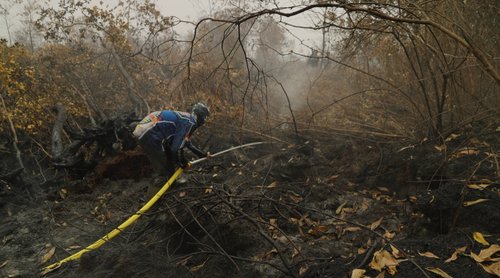
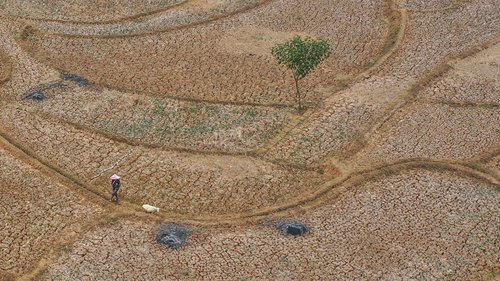
Electricity cuts have swept through entire nations. Citizens in Colombia's capital are urged to ration water while creative measures such as community showers are promoted to conserve this precious resource. The Amazon River, which is vital for approximately 30 million residents across eight countries, is experiencing unprecedented drying.This record drought, extending well into its second year, is wreaking havoc throughout South America, disproportionately affecting the Amazon rainforest and risking lives and local economies. Climate change's devastating impacts become clearer as various regions face dire environmental consequences. In Brazil, unchecked wildfires exacerbated by extreme heat have ravaged forests, wetlands, and pastures, with smoke ominously blanketing 80% of the country. Schools have been forced to shut down, and many are suffering health consequences, as ash fills homes.Further south in Paraguay, the crisis deepens as the Paraguay River has reached alarming lows. Vessels remain stranded, and local fishermen lament the near-total disappearance of prized fish like the massive surubí catfish, prompting many families to seek alternative sources of income.With much of the continent reliant on hydropower, energy production has drastically declined; Ecuadorians now face blackouts lasting up to 14 hours daily, disrupting internet access and adversely affecting the economy. The region’s increasing vulnerability to extreme weather events is a harbinger of broader struggles ahead, highlighting the urgent need for adaptive measures in response to an uncertain climatic future.