
In brief
On Monday, the US dollar fell to its lowest level since September 30, pushed by a steep drop in oil prices and a retreat in Treasury yields. The dip comes amid a weekend loaded with catalysts, notably the US mid‑term elections and imminent employment and monetary policy releases. The greenback’s decline also saw the euro, pound and yen adjust modestly, while technology stocks such as Apple and Oracle recorded losses ahead of earnings. The degree to which these developments will impact the market and election discourse remains uncertain.
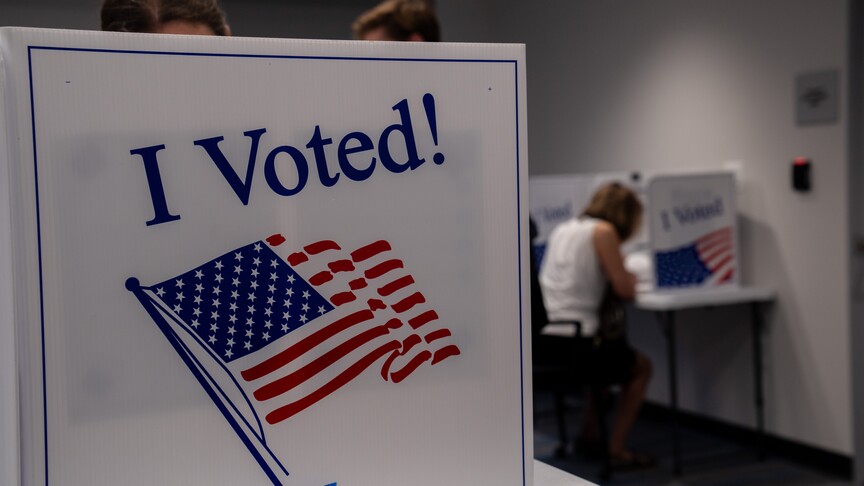
On Monday, the US dollar eased to its lowest point since 30 September as oil prices plunged and Treasury yields fell ahead of a week saturated with political and economic catalysts, most notably the US mid‑term congressional elections. The dollar index slid 0.22% to 101.76 points, down from 101.42 the previous day.
The weak oil backdrop initially buoyed American stocks, but technology shares ultimately retreated. Apple’s stock fell about 2% before its quarterly results were announced, while Oracle shares tumbled more than 8% after unveiling plans to raise $20 billion through bond and equity sales.
Meanwhile, the euro edged up 0.3%, trading at $1.1192, following Fitch’s late‑Friday downgrading of France’s outlook from “stable” to “negative” amid debt concerns. The pound sterling lifted 0.1% to $1.3406, and the yen rose 0.23% to 157.89 against the dollar.
Investors are watching Treasury yields closely, as a retreat in these yields indicates weaker demand for the greenback and could influence the political narrative around fiscal policy and corporate spending, especially in emerging AI technology sectors.
Channel News Asia reports that the dollar’s easing was “ahead of a week full of catalysts, including the US mid‑term elections.” This observation reinforces the narrative of a market anticipating possible policy shifts or shifts in investor sentiment tied to the electoral outcomes.
In the broader market context, the drop in oil prices has decreased the dollar’s status as a safe‑haven currency, thereby affecting sectoral allocations and influencing a range of asset classes worldwide.
Although the dollar’s slide may affect the pricing of US Treasury debt and corporate securities, analysts differ on the duration of this effect. Some suggest the move will be fleeting, while others anticipate that persistent weakness could shift short‑term interest rate expectations and alter capital flows.
With the mid‑term elections approaching, market watchers are reassessing potential policy ramifications. A shift in the composition of Congress could shape fiscal stimulus decisions, influencing commodity prices, Treasury yields, and currency valuations. However, the actual impact of any narrow victory remains unclear at this juncture.
Ultimately, the greenback’s retreat, the slump in oil prices and evolving bond yields present a complex tableau for investors. They are left to forecast how the unfolding election week will either amplify or dampen this trend, and how the sharper focus on AI and corporate technology spending might shape the broader economic environment.
The uncertainties that remain include whether the dollar’s decline will earn a lasting position or simply correct by the end of the week, and how the upcoming mid‑term election results will alter the trajectory of US fiscal policy and market sentiment. These open questions underscore the need for continued monitoring as the electoral cycle progresses.