In brief
UN human rights experts have condemned a startling rise in executions in Iran, claiming over 1,000 individuals have been executed in the first nine months of 2025. They note that much of this is related to drug offenses and are calling for international action to address these human rights violations.
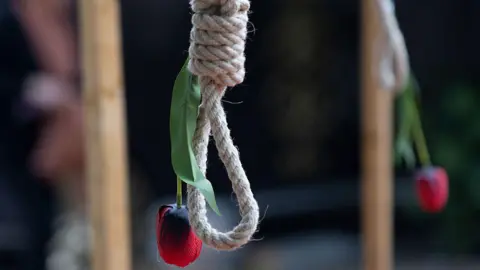
UN human rights experts have said they are appalled by a dramatic escalation in the number of executions in Iran, with more than 1,000 people killed during the first nine months of 2025.
The sheer scale of executions in Iran is staggering and represents a grave violation of the right to life, the five special rapporteurs warned in a joint statement.
The experts noted that half of the known executions were for drug-related offenses and that nine hangings per day on average had been documented in recent weeks.
There was no immediate comment from Iran. However, the government has previously defended its use of the death penalty, stating it is reserved for only the most severe crimes.
On the same day, Iran executed a man accused of spying for Israel, aligning with the surge in state-sanctioned killings since the onset of conflict with Israel.
Amnesty International and Iran Human Rights reported that the total number of documented executions has already surpassed 975 from the previous year. Of those executed this year, 50% faced drug-related charges, and there is a notable occurrence of individuals from minority communities among the condemned.
The UN's warning has prompted calls for the international community to take diplomatic action to pressure Iran into halting these extensive human rights violations, as the numbers reflect a systemic pattern rather than isolated incidents.