In brief
Israeli airstrikes have resulted in significant civilian casualties in Iran, igniting widespread concern and sorrow as families share the tragic stories of those lost.
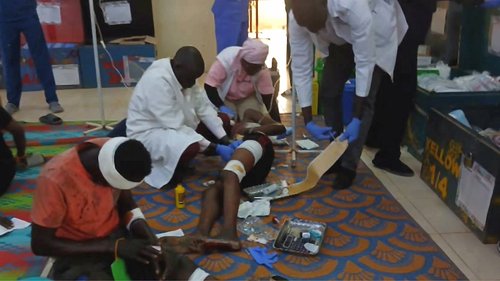
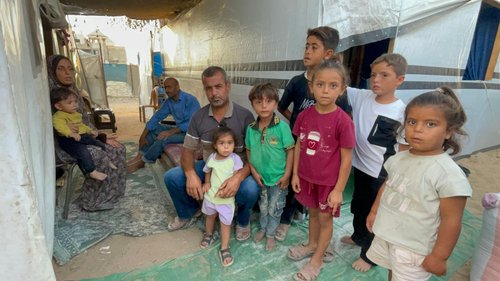
In recent weeks, the humanitarian crisis in Iran has deepened, as the ongoing conflict with Israel has resulted in devastating airstrikes across several cities. Israelis are asserting that their military operations target specific military personnel and infrastructure; however, the impact on civilian lives has been catastrophic. Reports reveal that hundreds of individuals have perished, including a vibrant young dancer, a national equestrian champion, a talented poet just days before her twenty-fourth birthday, and a graphic designer associated with National Geographic.Iran's Ministry of Health has indicated that, as of last reports, at least 224 civilians have died, with nearly 2,000 others injured. This grim tally continues to rise daily as more victims are identified and their stories emerge from the chaos. Interviews conducted with residents across major cities, such as Tehran and Shiraz, have unveiled the harsh reality of life under constant bombardment. Families recount harrowing tales of loss and fear, and extensive documentation of civilian casualty reports is emerging.While Israeli forces maintain a narrative of targeting high-value military targets, evidence shows a stark reality. Dr. Hossein Kermanpour, the Health Ministry spokesman, highlighted that approximately 90 percent of casualties have been civilians, underscoring the tragic fallout of the strikes.Life in Iranian cities under siege has transformed dramatically. The sounds typically associated with urban life—traffic, music, and prayer—have been replaced by the frightening whir of drones, explosive blasts, and the anguished cries of emergency responders. This relentless violence has shattered the fabric of daily existence, leaving communities to grapple with profound grief and uncertainty as the conflict continues with no end in sight.