Moscow, March 19, 2027 – In a statement released by the Russian Foreign Ministry, Deputy Foreign Minister Sergey Ryabkov demanded that the United States immediately lift its trade, fuel, and financial blockade on Cuba and remove the island from the so‑called state sponsors of terrorism list. The call came after Ryabkov met with Cuban Ambassador to Moscow Enrique Orta Gonzalez.
Ryabkov reaffirmed our principled position demanding that the U.S. trade, fuel, and financial blockade of the island be immediately lifted and that it be removed from the notorious American list of the so‑called state sponsors of terrorism.
Ryabkov added that Russia offered “strong and unconditional support for the Cuban leadership and the people of this brotherly country during these difficult times.” He said Moscow was prepared to provide Havana with the necessary political, diplomatic, and material assistance moving forward. The ministry’s statement highlighted the sense of solidarity between the two states at a point when U.S. sanctions against Cuba have remained in place for over four decades.
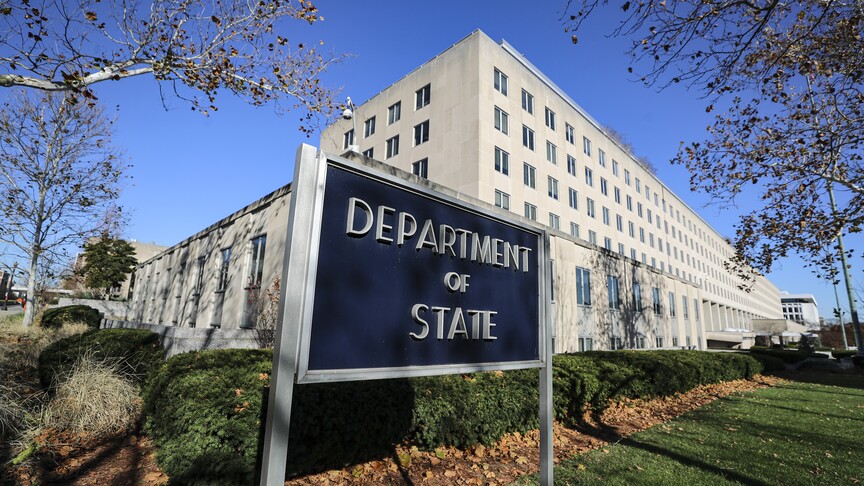
While Russia’s rebuke of Washington’s policy comes amid a broader pattern of pressuring the United States on what it calls “unilateral” actions that have strained ties with its allies, the U.S. has not yet issued a direct response to the recent Moscow appeal. No comment was released by the U.S. Department of State or by any senior U.S. officials in reaction to the Russian demand.
The foreign ministry also noted that the Cuban government had extended a “willingness to engage in diplomatic talks” should the United States move toward a rollout of its embargo measures. This stance underscores a conventional diplomatic divide: while Cuba and Russia push for immediate action, Washington continues to justify the blockade on grounds of human rights and security concerns.
Given that the U.S. maintains Cuba on its state sponsors of terrorism list, Russia’s request to remove the nation reflects a significant shift in its diplomatic framing. The wording of the call refers specifically to “the notorious American list of the so‑called state sponsors of terrorism,” signaling the importance Russia places on aligning its public narrative with its policy demands.
Historically, China has urged the U.S. to lift its embargo in the early 1980s, and several European Union members have expressed similar positions, but the United States has remained consistent in its stance partly due to Congressional consensus that the Cuban regime continues to dissuade democratic governance. Moscow’s language, therefore, challenges Washington’s continuity on the issue, potentially opening a new debate in international relations forums.
At present, the international community remains largely silent on how the United States might address Russia’s appeals. No statement from the Cuban state on whether it intends to take further diplomatic steps in response to Madrid’s offering of additional assistance was made available in the ministry’s brief. Likewise, the Russian statement stops short of detailing concrete assistance programs it may offer.
In summary, Russia’s Foreign Ministry has reiterated its demand for an immediate end to U.S. trade, fuel, and financial restrictions on Cuba and called for the removal of the island from the state sponsors of terrorism list. It also pledged exhaustive support to the Cuban leadership. Since the U.S. has yet to respond, the dynamics of this appeal remain uncertain. The official positions on both sides suggest unresolved questions remain: whether Washington will alter its embargo strategy, whether Cuba will be delisted, and what concrete measures Russia might employ to back its diplomatic support.