
In brief
The U.S. State Department on 5 November 2026 designated Mohammed Ali Tolibov of Belarus‑based Armory Alliance, Russian actor Alisher Domullodzhanov, and Nigeria‑based Vanguard Tactical Supply Limited for allegedly assisting Iran in obtaining Chinese‑origin MANPADS through false end‑users. The sanctions aim to cut off channels the Iranian regime uses to rebuild its arsenal. The move underscores Washington’s ongoing effort to deny Tehran the resources that sustain destabilizing activities. The exact effectiveness of the measures and the extent of the alleged procurement remain unclear.
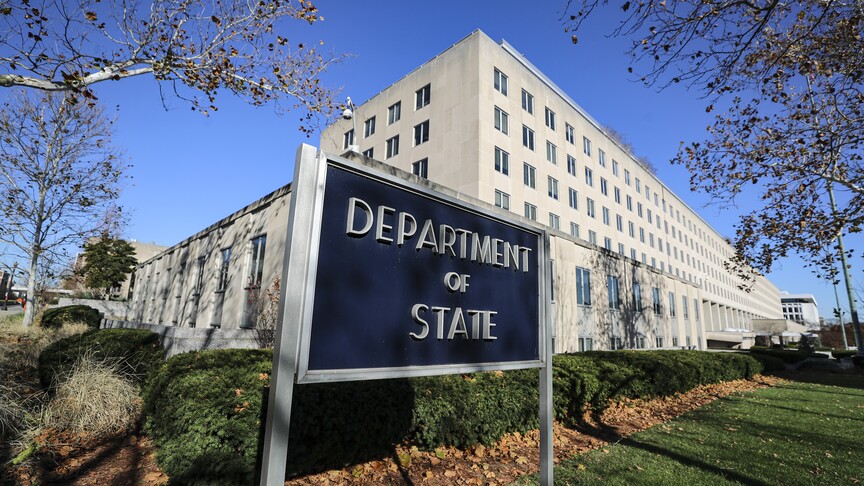
On Wednesday, the U.S. State Department announced sanctions against two individuals and a Nigerian company, accusing them of facilitating Iran’s acquisition of man‑portable air defense systems (MANPADS). The targeted entities are Mohammed Ali Tolibov, the CEO of Belarus‑based Armory Alliance; Alisher Domullodzhanov, a Russian actor; and Vanguard Tactical Supply Limited, a firm registered in Nigeria.
The Justice Department alleged that the network helped procure Chinese‑origin MANPADS for Iran by using false end‑users, thereby attempting to circumvent export controls. Washington said the sanctions “close off more of the channels Tehran uses to try to rebuild its arsenal” and raise the risk for third‑country brokers and suppliers involved in such transactions.
State Department officials stressed that the United States would continue to expose networks that arm Iran’s military—particularly the Islamic Revolutionary Guard Corps—and deny the regime the resources that sustain its destabilizing activities. The sanctions target the individuals’ alleged roles in facilitating the transfer of advanced missile technologies, which are said to be critical to Iran’s air defense capabilities.
Although the U.S. has not released detailed evidence in the public statements, it described the alleged facilitation as part of a broader effort to curb Iran’s procurement of MANPADS, a technology that significantly enhances the country’s defensive posture against aircraft.
While the sanctions remove these individuals and the Nigerian firm from U.S. financial systems, the broader question of whether they truly managed to secure the stipulated weapons for Iran remains unresolved. Likewise, the effectiveness of these designations in preventing future procurement through similar covert channels has not yet been quantified by the U.S. authorities or independent observers. These uncertainties—centered on the true scale of the alleged transactions, the continued presence of alternative channels, and the impact of the sanctions on Iran’s procurement capabilities—were all noted by the State Department in its announcement and remain unanswered in the public record.

