In brief
On World Cities Day, Riyadh unveiled a suite of urban projects that include a new metro system, expansive green spaces, and cultural preservation efforts aimed at meeting Vision 2030 targets. The bid to connect neighborhoods with business, cultural, and entertainment hubs marks a significant step in the city’s long‑term transformation strategy. While the announcement details ambitious infrastructure plans, it does not address potential challenges or public reception of the measures.
Riyadh, 31 October 2026 – In a bid to fuse its burgeoning infrastructure with a respect for its historic roots, Saudi Arabia’s capital unveiled a series of urban renewal projects that tie residential areas to commercial, cultural, and entertainment destinations, as reported by the Saudi Press Agency.
The announcement came on World Cities Day, the day that celebrates cities globally and underscores Riyadh’s desire to fulfill its Vision 2030 commitments, according to the agency. By aligning with Vision 2030, the capital seeks to improve mobility, sustainability, and quality of life for its residents, the press release notes.
At the heart of the city’s transformation is the Riyadh Metro, a network described by SPA as comprising six lines stretching 176 kilometres and serving 85 stations. The system is positioned as the backbone of the city’s new connectivity model, providing residents with fast access to key business districts, cultural sites, and cultural centres, the source adds.
Governing the environmental side of the transition is the Green Riyadh Program, which dazzles with plans to expand urban green spaces across the metropolis. Complementing this is King Salman Park, slated to merge natural landscapes with cultural, sports, and recreational facilities. The park’s development is seen as a flagship for the city’s “green” ambitions, the agency reports.
Simultaneously, the city highlights efforts to preserve its heritage landmarks. Al‑Masmak Palace, described as a focal point of the capital’s history, and the traditional markets of Al‑Dirah receive emphasis in the agency’s narrative. These sites are situated alongside modern developments such as the King Abdullah Financial District, illustrating a dual approach to heritage and progress.
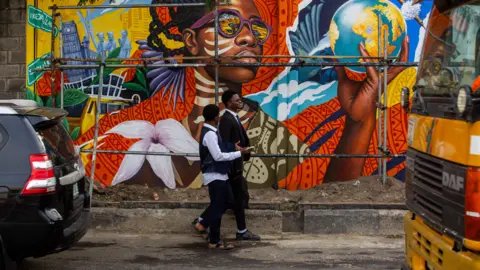
The Riyadh Art project is another pillar of the city’s cultural agenda, aiming to embed public art in streets, squares, parks, and public facilities. The initiative is framed as a way to enrich the city's cultural life while keeping infrastructure modern, SPA details.
Wadi Hanifah, a major natural landmark in the capital, is also highlighted among the city’s outdoor attractions, the press release states, underscoring the city’s commitment to incorporating natural features within urban planning.
While the news release paints a comprehensive picture of Riyadh’s long‑term planning, it does not comment on potential infrastructure challenges, budgetary concerns, or the public’s reaction to the proposals.
Thus, the announcement confirms the capital’s broad commitment to its urban transformation strategy, but it offers no insight into ongoing debates or uncertainties recognized by the sources.