In brief
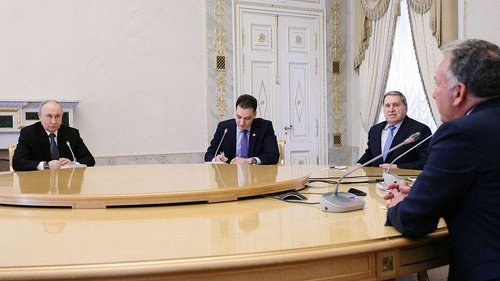
In a recent gathering in Kazan, Russia, President Vladimir Putin played host to an array of leaders from influential nations, marking a significant moment in the shift towards a multipolar world. Among his guests, Turkish President Recep Tayyip Erdogan stood out as the lone representative from NATO, symbolizing the evolving geopolitical landscape and Russia's aspirations to strengthen ties beyond Western influence.
President Vladimir V. Putin of Russia welcomed leaders from various nations this week during the BRICS summit, including China, India, and Iran, showcasing his intent to counter Western dominance in global finance. However, Turkish President Recep Tayyip Erdogan was the notable exception among the attendees, being the only leader from a NATO country. Erdogan's portrayal of Putin as his “dear friend” illustrates his strategy to position Turkey as a pivotal player in a competitive global arena, despite the concerns of his NATO counterparts.Putin's efforts to redefine his image amid international isolation since the invasion of Ukraine have been underscored by Erdogan's attendance. The Turkish leader's interest in deepening relations with BRICS highlights the growing alliance that Putin is attempting to cultivate, signaling a potential rift within NATO. As Putin asserted the emergence of a "multipolar world order" at the summit, the presence of a NATO leader willing to communicate with him adds weight to his aspirations.Criticism of NATO reverberates throughout Russia and among various BRICS members, and Erdogan’s participation reflects a wider narrative of discontent with Western hegemony. Analysts view Erdogan's warm relations with Putin as a strategic advantage for both leaders, emphasizing the shifting tides in international relations.