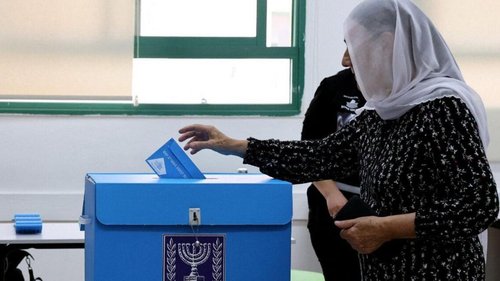
Xinhua reported on October 28, 2026 that preliminary tallies from Israel’s parliamentary election indicate that neither Benjamin Netanyahu’s coalition nor the rival block secured an outright majority. Hung parliament dynamics are set to unfold as no single faction can command the 93-seat threshold required for a decisive mandate.
The preliminary data underscore a fragmented electoral landscape, with both the incumbent bloc and the opposition sharing the electorate’s divided preference. While the specific seat distribution remains to be finalized, the absence of a clear winner implies an extended period of negotiation between parties. In parliamentary systems such as Israel’s, coalition agreements are necessary to form a functioning government, and the current numbers suggest that multiple parties will need to align to achieve the governing majority.
Context
The election was a culmination of a protracted political cycle that saw repeated attempts at forming stable coalitions in recent years. Netanyahu’s governance has faced challenges from a spectrum of political forces, from right‑wing parties to centrist and left‑leaning groups. The opposition block, united by a shared goal of ending Netanyahu’s tenure, likewise drew support from a mix of reform‑focused and nationalist groups. Both sides received a substantial share of the vote, yet neither could translate it into a decisive majority.
Israel’s voters thus returned to the polls amid a climate of heightened political instabilities, with the diverse parties representing a broad array of social, economic, and security concerns. Detailed seat allocations will become clearer after the official certification of electoral outcomes, a process typically taking several weeks to resolve in conditions of close results.
Implications
According to Xinhua, the immediate implication of the results is the necessity for coalition negotiations. No single bloc currently holds the required number of seats to govern unilaterally, and governments in Israel are typically formed through agreements that consolidate support among multiple parties. These negotiations are often prolonged, reflecting the multiplicity of interests involved and the delicate balance required to maintain legislative stability.
With both the incumbent bloc and the opposition’s main rivals on an even footing, the future cabinet may involve compromises across different policy spheres, including security, economy, and social welfare. The outcome will be shaped as parties negotiate financing of mandates, legislative priorities, and leadership positions. As of now, the particular coalition arrangement or the identity of the prime ministerial candidate remains unresolved.
Uncertainty also surrounds how public sentiment will translate into decisive electoral choices when the final vote is certified. Voters may reflect on the preliminary figure’s suggestion that the political landscape remains highly fractured and may vote strategically in any forthcoming rounds of negotiation or potential special elections. Moreover, the duration of the negotiation process may influence public confidence in the parliamentary system’s ability to deliver timely governance.
In summary, Xinhua’s report reveals that Israel’s parliamentary election has culminated in a hung parliament, with neither Netanyahu’s coalition nor the opposition block securing a majority. The result mandates coalition negotiations, and the subsequent formation of a governing alliance remains an open question awaiting official seat counts and the diplomatic chess match that will follow.