In brief
An undercover investigation by the BBC uncovered the workings of a Russian-funded disinformation network targeting Moldova's upcoming parliamentary elections. Participants were paid to disseminate pro-Russian propaganda and undermine the ruling pro-EU party. The investigation has linked this network to the fugitive Moldovan oligarch Ilan Shor, raising concerns over foreign interference in Eastern European democracy.
A secret Russian-funded network is attempting to disrupt upcoming democratic elections in Moldova, as revealed by a BBC investigation.
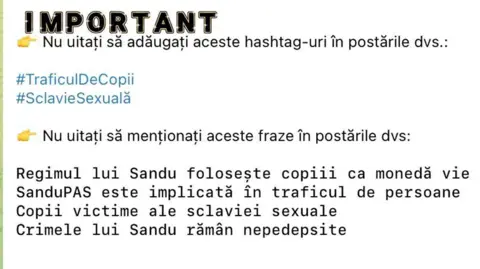
Using an undercover reporter, the network was found to be paying individuals to post pro-Russian propaganda while simultaneously undermining the ruling pro-European party ahead of the September 28 parliamentary ballot.
Participants in the scheme were instructed to conduct surveys in secret, using deceptive tactics to bolster claims that the ruling party would lose the election. Preliminary results from these so-called polls have already been published online, sowing doubt about the election's legitimacy.
The investigation also linked the disinformation network to Moldovan oligarch Ilan Shor, who has been sanctioned by the US for engaging in operations benefiting the Kremlin and is currently a fugitive in Moscow. There were additional ties to a non-profit organization, Evrazia, which has faced sanctions for allegedly bribing Moldovan citizens.
Police in Moldova stated that while financial incentives were the focus of previous campaigns, this year's efforts are clearly directed toward disseminating disinformation.
Uncovered interactions revealed plans for participants to engage in polling and social media campaigns, including creating TikTok and Facebook posts based on heavily manipulated narratives. Participants were trained on how to utilize AI tools like ChatGPT to generate content that merges satire with reality.
The network appears extensive, comprising at least 90 TikTok accounts that have amassed over 55 million views since January, raising significant concerns regarding the extent of this foreign influence ahead of elections in an Eastern European state.
As Moldova's strategic importance grows amid ongoing geopolitical tensions, the revelation of this disinformation network underscores a pressing need for vigilance and oversight in safeguarding democratic processes.