In brief
The Council of Europe’s new assessment estimates that coastal erosion could cost Europe up to €800 billion annually by 2100, citing over €1 billion in current losses across 28 nations. It urges planned retreat, banning new developments, and relocating existing infrastructure inland. The report uses France’s receding shoreline and Venice’s high‑cost protection schemes as stark examples, and highlights the need for updated risk maps and no‑build buffer zones.
In a November 2, 2026 report released in Brussels, the Council of Europe warned that unchecked coastal erosion could cost the continent up to €800 billion a year by 2100 unless decisive action is taken. The study, titled How can we cope with coastal erosion?, estimates that current annual losses already exceed €1 billion across the 28 Council member states.
The report calls for a comprehensive shift toward what it terms “planned retreat.” It would prohibit new construction on vulnerable coastlines and mandate the relocation of existing homes, businesses, roads and rail lines to more climate‑resilient inland sites. The document also stresses the importance of updating risk maps, regularly reviewing no‑build and buffer zones, and developing detailed adaptation plans that weigh legal, social and financial implications.
France’s shrinking shoreline
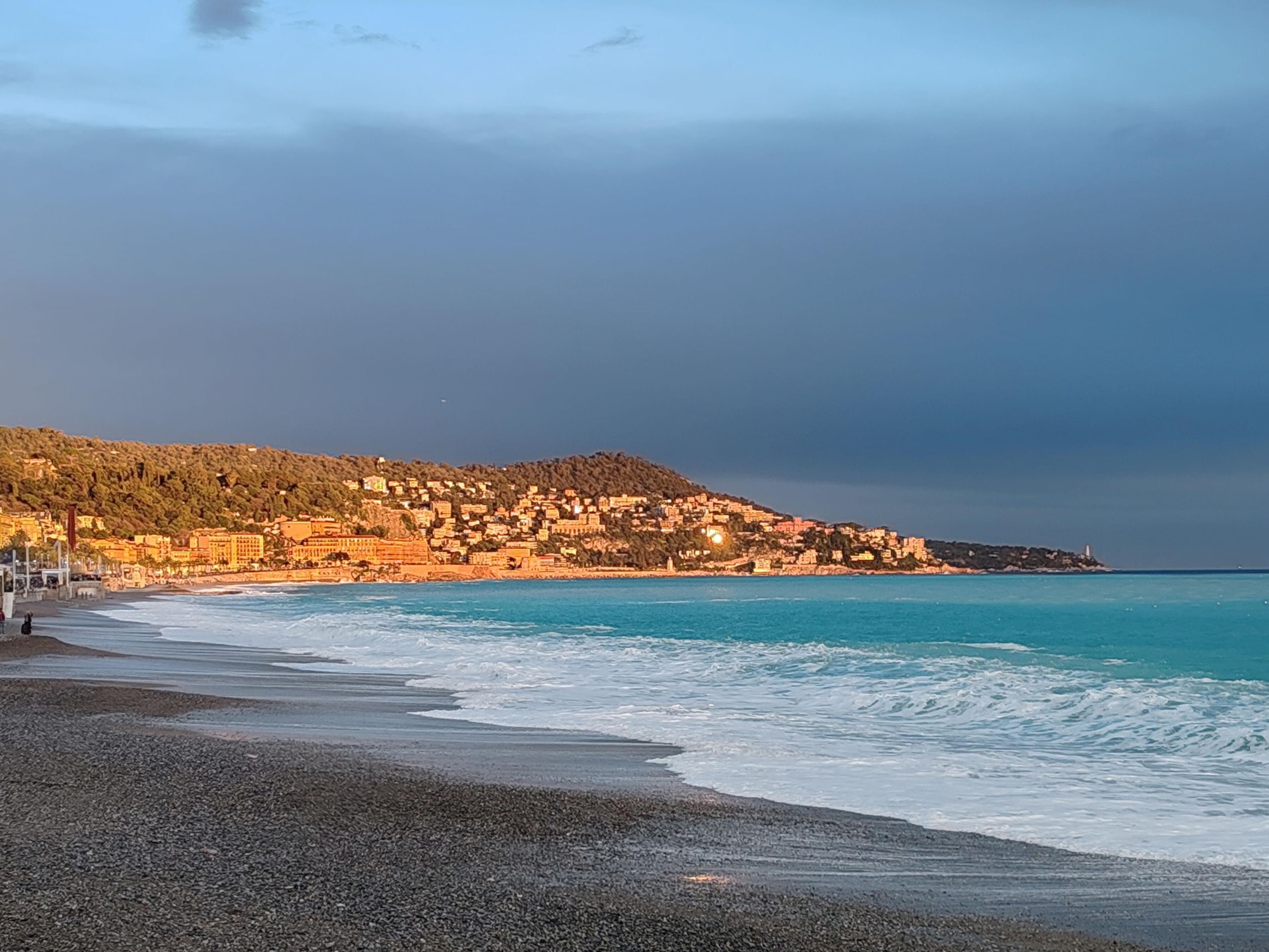
France’s case is used as a flagship example. The country estimates that roughly 900 kilometres of its mainland coast are receding, affecting more than 500 municipalities across five regions. These figures illustrate how widespread erosion is already altering the economic and geographic landscape of European coastlines.
Venice, on the other hand, showcases the high cost of defense. Italian authorities have identified dike construction at a potential cost of up to €4.5 billion and a super‑levee at an initial expenditure exceeding €30 billion. However, the report notes that such defenses would not be permanent; if sea level rises beyond 4.5 metres after 2300, the city and its historic landmarks could face relocation at a cost reaching €100 billion.
The analysis underscores that about 40 % of Europe’s GDP is generated from coastal regions, and 80 % of the continent’s low‑elevation coastlines are at risk of future erosion. Those figures translate into significant economic exposure, reinforcing the urgency of the proposed retreat measures.
The Council of Europe's findings align with other independent observations. Wisevoter, a science portal, reports that losses already hit €1 billion per year across the same set of 28 nations and projects the same €800 billion ceiling for 2100. Threads.com and X.com also echoed the report’s core warnings, framing the issue as an impending €800 billion crisis for Europe’s economy.
What remains unresolved, the sources note, is the precise timeline of sea‑level rise, the exact cost distribution across member states, and the practical feasibility of extensive inland relocation. The report itself acknowledges that protection options and retreat timelines “would not be permanent” and that future uncertainties could alter projected costs and strategies. A clear picture of how rapidly coastlines will continue to erode and how different coastal jurisdictions will finance adaptation remains an open question.