In brief
An oxygen cylinder exploded inside an ambulance at a health facility in Nagarparkar, Sindh, killing several people and injuring others. Multiple news outlets reported differing death counts—eight, nine, or more than ten—and varied details on injuries and the explosion’s cause. Police have launched an inquiry, and specialist teams from Mirpurkhas and Karachi are examining the scene.
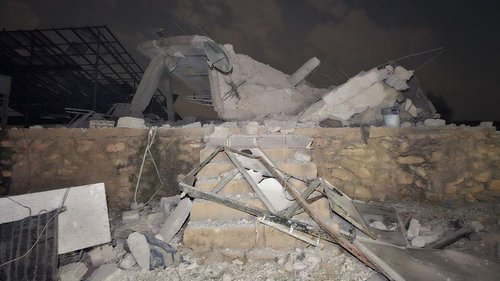
On the night of October 29, 2026, an oxygen cylinder exploded inside an ambulance parked at a government‑run medical facility in the town of Nagarparkar in Tharparkar district, Sindh province, Pakistan. The blast reportedly set the vehicle ablaze and caused the deaths of several people and injuries to others, police said.
Xinhua’s report stated that eight people were killed and four others injured when the oxygen cylinder detonated inside the ambulance. The ambulance had been parked at the health facility at the time of the explosion, and its crew had been preparing to transfer patients when the cylinder burst. Emergency teams from Mirpurkhas and Karachi were summoned to investigate the incident, and the injured were transported to a hospital in Karachi after receiving initial treatment.
Anadolu Agency, however, reported that nine people died and that five others sustained serious burn injuries. According to the agency, the ambulance was connected to an oxygen cylinder inside the local hospital when the cylinder exploded, setting the vehicle on fire and prompting authorities to launch an inquiry into the cause of the accident.
The Washington Post weighed in with an account that said at least ten people had been killed in the incident, although the publication did not specify the number of injuries. The story emphasized that the explosion occurred inside a parked ambulance at a government‑run medical facility, and that the case was under investigation.
The Hawk, a regional news platform, repeated Xinhua’s figures, reporting that up to eight people were killed and four others were injured when the oxygen cylinder exploded inside the ambulance. The site noted that the ambulance had been stationary at the health facility when the blast occurred.
In each report, police officials confirmed that the ambulance was parked and that the explosion involved an oxygen cylinder. After the blast, the ambulance caught fire, and the incident prompted an urgent medical response. The bodies of those who died were transferred to a local hospital for identification, while the injured were shifted to more advanced medical facilities in Karachi for treatment.
Investigation and Unresolved Details
Police have launched an inquiry into the accident, and specialist investigative teams from the nearby cities of Mirpurkhas and Karachi flew in to examine the evidence and determine the root cause of the explosion. No official statement has yet clarified whether a defect in the cylinder, mishandling during connection, or another factor triggered the blast.
The conflicting casualty figures reported by Xinhua, Anadolu, The Hawk, and the Washington Post highlight uncertainties that remain about the exact loss of life and extent of injuries. Additionally, while the basic setting of the incident—a parked ambulance at a health facility in Nagarparkar—is consistent across accounts, details about the timing of the oxygen cylinder connection, the presence of patients inside the full vehicle, and the nature of the fire response differ.
Thus, while the fact that an oxygen cylinder exploded inside a parked ambulance in Sindh province and that it caused multiple deaths and injuries is established, questions remain about the precise number of casualties, the exact cause of the explosion, and whether the deaths came from fire, gas exposure, or other complications. Investigators are still examining how the cylinder failed and whether any procedural safety lapses contributed to the tragedy.