In brief
The Bundibugyo strain of Ebola has surpassed 10,000 confirmed cases in the Democratic Republic of Congo, Uganda, Kenya, and Nigeria. African health ministers, Africa CDC and WHO urged enhanced readiness, solidarity, and sustained coordination to contain the outbreak, highlighting gaps in medical supplies, cross‑border surveillance and vaccine availability. The report underscores unresolved questions about the outbreak’s spread and containment effectiveness.
In a virtual emergency meeting on Wednesday, the health ministers of Africa joined forces with the Africa Centers for Disease Control and Prevention (Africa CDC) and the World Health Organization (WHO) to confront the rapid expansion of the Bundibugyo Ebola strain, which has now exceeded 10,000 confirmed cases across four countries.
Key Figures and Statements
The outbreak has surpassed 10,170 confirmed cases, spreading into the Democratic Republic of the Congo, Uganda, Kenya and Nigeria. Confirmed cases have reached 10,172, while deaths have climbed to 4,932, giving the strain a case‑fatality rate of 48.5 percent. Approximately 2,727 patients have recovered so far.
Africa CDC Director‑General Jean Kaseya said the outbreak has grown from a national issue into a continental health security test, stressing the main priority is to stop Ebola.
"The main priority today in our continent is to stop Ebola,"”
WHO Director‑General Tedros Adhanom Ghebreyesus, relayed in a message signed by him, described the outbreak as "extremely serious and difficult" and emphasized that it is not limited to one location but spans many outbreaks across a vast area, requiring sustained, simultaneous responses everywhere.
"We are still facing an extremely serious and difficult outbreak,"” he said.
Patrick Amoth, the director‑general for health at Kenya’s Ministry of Health, highlighted gaps in Kenya’s approach, pointing to health‑worker infections, cross‑border spread bypassing surveillance and contact tracing, and dependence on donated medicines amid a lack of licensed vaccines or specific therapeutics.
"Health workforce infections, the cross‑border spread of cases bypassing surveillance and contact tracing, and Africa’s reliance on uncertain donated medicines amid a lack of licensed vaccines or specific therapeutics are critical gaps," Amoth said.
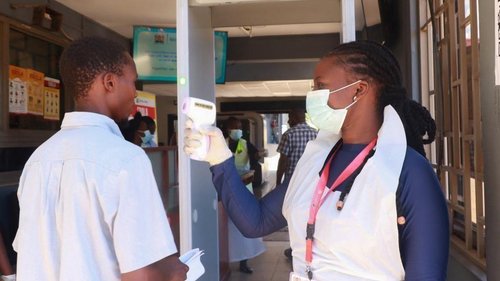
The ministers called for enhanced continental preparedness, greater solidarity, and a coordinated, sustained response to halt the outbreak. They underscored the need for strengthened medical supplies, better cross‑border surveillance, and increased funding to address the crisis.
Key uncertainties remain regarding how the outbreak’s geographic spread continues to evolve, how effectively current containment measures can curb transmission, and how quickly effective vaccines or therapeutics can be made available and deployed across affected regions. These questions, already identified by the participating health officials, guide the ongoing efforts to manage the epidemic.