In brief
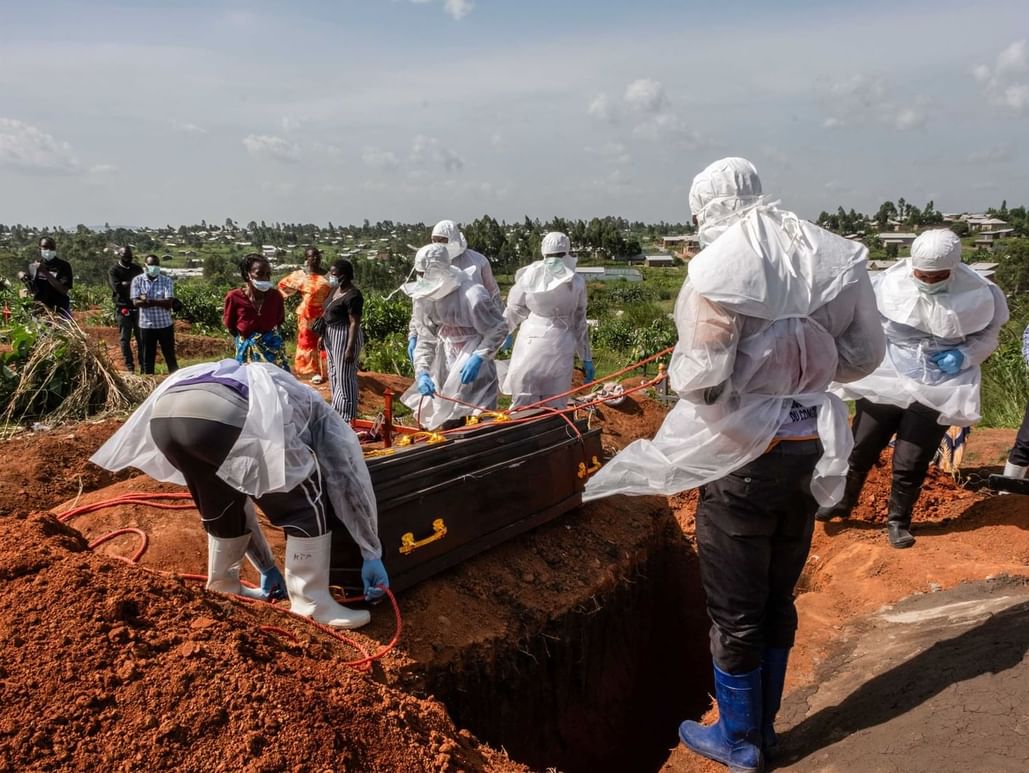
In a November 6 online briefing, the Africa Centres for Disease Control and Prevention highlighted Kenya’s swift response to an imported Ebola case as a model for the continent, announced record‑high case numbers for the current outbreak, and warned of the Bundibugyo virus’s potential spread into the Democratic Republic of Congo. The agency cited gaps in preparedness and called for accelerated funding.
In Addis Ababa on Nov. 6, 2026, the Africa Centres for Disease Control and Prevention (Africa CDC) announced via an online press briefing that Kenya’s rapid containment of an imported Ebola case had set a continental standard, according to the organisation’s spokesperson, Wessam Mankoula.
Africa CDC’s latest data shows the multi‑country Ebola outbreak has now reached 10,699 confirmed cases, more than 5,202 deaths and a case‑fatality rate of 48.6 percent, with roughly 2,900 patients already recovered. The situation is described as the fastest‑growing and second‑largest outbreak on record, occurring at the 25th week of the outbreak and doubling the numbers and deaths of the 2014‑2016 West African epidemic.
During the briefing, Mankoula warned of the persistent Bundibugyo outbreak, stressing that the virus’s advance into the Democratic Republic of the Congo posed a significant risk of further spread. He highlighted the need to contain the disease before it can cross national borders.
A recent joint survey conducted by Africa CDC and the World Health Organization assessed Ebola readiness across 31 African nations, revealing critical gaps in infection prevention and control, case management and logistics, according to Mankoula.
Kenya’s Response
Kenya, which reported its first imported case on Oct. 6, has so far documented nine confirmed cases and two deaths, a positivity rate of 1.35 percent from 669 samples tested, and has not registered a new case since Oct. 19. All five of the original patients have been discharged from treatment centres as of the latest update.
Mankoula said the rapid tracing and isolation in Kenya exemplified best practices.
“This is a time for all our member states to invest in preparedness and readiness. Having an imported case should not push us to panic as long as we have the minimum capacity at all critical preparedness pillars,”
Mankoula added that screening at points of entry and laboratory capacity were essential.
“Each country should have a strong surveillance system, and screening at points of entry to detect cases quickly. We need to invest in laboratory capacities and in designated facilities to treat the first few cases.”
Preparedness and Funding
Africa CDC officials urged that the pledged funds for outbreak response be accelerated and distributed more quickly, emphasising that time is critical as the outbreak outpaces the previous largest epidemic.
There remain uncertainties about the true scale of the outbreak and how quickly containment measures will curb the spread. Whether the identified preparedness gaps can be addressed sufficiently in the short term remains unclear, and the extent of cross‑border transmission from the Bundibugyo outbreak is still a subject of debate among experts.