In brief
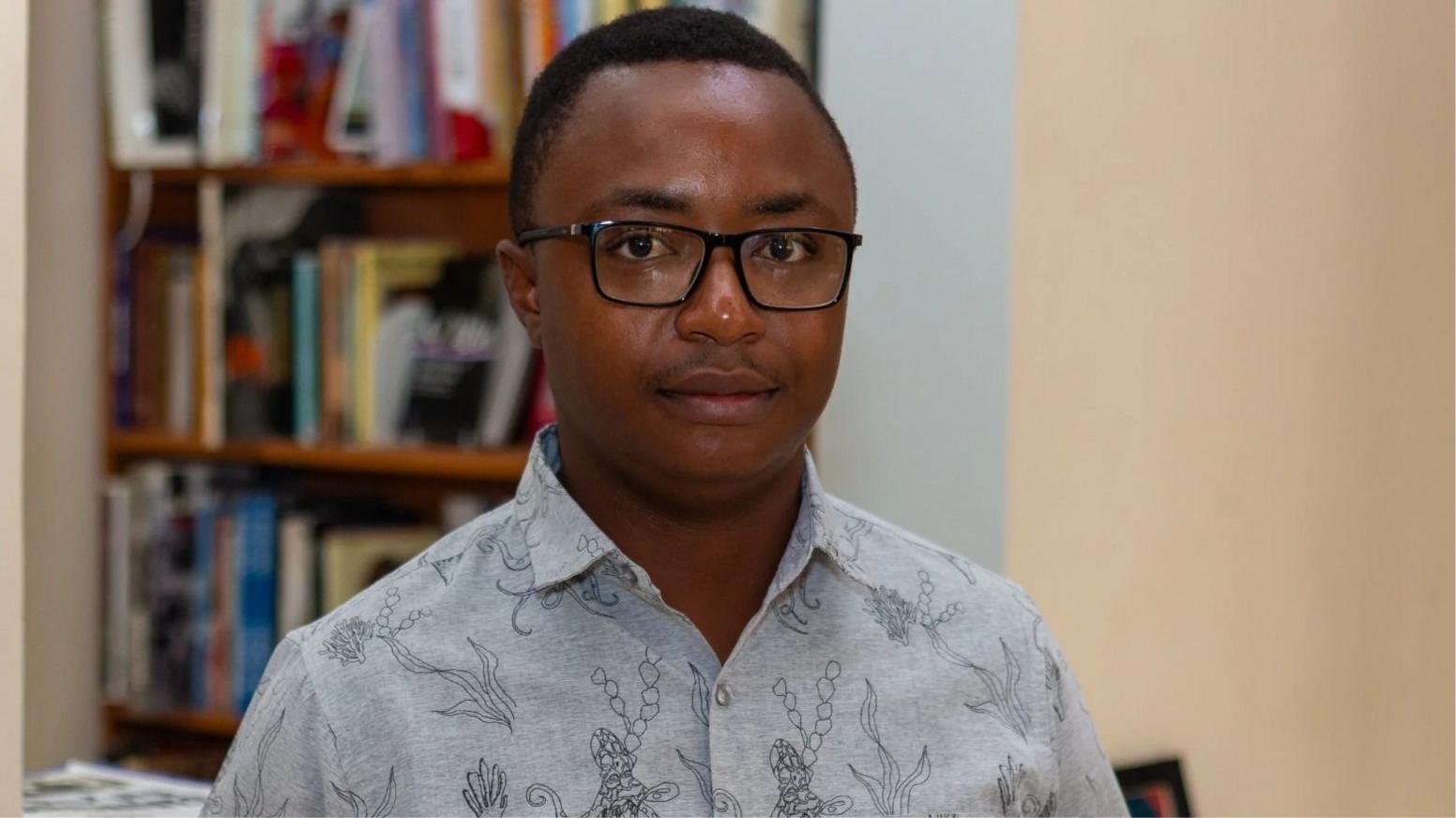
After winning the 2026 Caine Prize for African Writing, Zimbabwean author Simbarashe Kundizeza has denied that his winning short story was written with artificial intelligence, refusing claims from an AI‑detection program that the text was machine‑generated. The controversy erupted following an article by The Atlantic that cited Pangram’s assessment, prompting criticism of both the detector’s accuracy and the media’s rush to judgement. Kundizeza filed a statement on Twitter, outlining the creative process and legal documentation he wishes to provide as evidence of his human authorship. Speaking to the BBC, Caine Prize chair Ellah Wakatama expressed concern over the reliance on AI detectors in literary adjudication and highlighted the need for deeper investigation before public levelling of accusations. The debate underscores wider anxieties about AI’s role in creative writing and the potential for racial and cultural bias in these technologies.
Simbarashe Kundizeza’s triumph at the 2026 Caine Prize for African Writing has been tarnished by a wave of claims that he used artificial intelligence, or AI, to produce his award‑winning short story, “The Blue Fighter.” The accusations stem from Pangram, a commercial AI‑detection tool that flagged the text as machine‑generated in an article on The Atlantic last week.
In a statement posted to X (formerly Twitter) this week, Kundizeza rejected the allegations in full. He wrote, “For the avoidance of doubt, I wrote The Blue Fighter,” and pledged to supply the judges with drafts and documentation to prove that the narrative was the product of his own hands. The author also reminded readers that his imagination was sparked by a poem about fish tanks he heard on a South African cultural event in Ghana and that the core themes echo his father’s real‑life struggles in Zimbabwe during the early 2000s.
Caine Prize chair Ellah Wakatama said the incident had shocked the literary community and underscored a problem: “The Atlantic did not wait for a full investigation before publishing.” She added that although AI tools “are not yet tested,” they should not be used as the final arbitrator in decisions about authorship. Wakatama explained that the prize’s submissions are not routinely tested for AI, based on the writers’ declaration that the work is original.
The controversy echoes similar scandals that have plagued other literary awards this year, including the Commonwealth Short Story Prize and the Goncourt. Wakatama noted that the study by researchers at the Free University of Brussels found that Pangram’s tool had incorrectly identified texts by non‑native English speakers as AI‑generated. The authors of that paper stressed that AI detectors should be used as an initial flag, not a definitive verdict.
African writers and activists have reacted strongly to the narrative that black and African authors are especially susceptible to AI scrutiny. Nigerian novelist Wale Lawal and other members of the African literary community described the allegations as “crazy, racist and wildly unethical.” The call for a more transparent, equitable approach to AI detection in creative writing has gained urgency.
I am not happy for the work of writers, and in this case especially black writers, to form the testing ground for something that is at best still rough and ready
Kundizeza said he intends to continue writing and that he welcomes the solidarity from fellow authors. The Caine Prize’s internal investigation is ongoing, with the panel reviewing drafts and conversations with judges and the Shallow Tales Review, the publication that first featured the story in 2025.
For more on this developing story, follow the BBC and the Caine Prize on their digital platforms.