In brief
The recent end of Sheikh Hasina’s regime has allowed survivors of enforced disappearances in Bangladesh to speak out, unveiling horrific accounts from a clandestine military detention known as the "House of Mirrors."
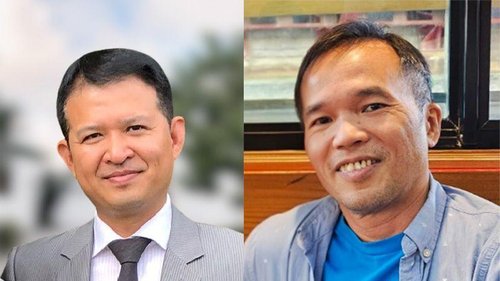
In the aftermath of Bangladesh's political turmoil following the departure of Prime Minister Sheikh Hasina, a brighter future seems to be emerging for the country’s 170 million citizens. However, for a few individuals, the end of oppressive rule has meant a return to reality after years of suffering in a hidden military prison. In August, three men, including Michael Chakma—a tribal rights activist—were released after having endured five years in a clandestine facility known as the "House of Mirrors." Chakma recalls the overwhelming sensation of seeing daylight for the first time since his abduction in 2019 amidst a government-led campaign of enforced disappearances. “As I was seeing this, I was trying to double-check if I was just imagining this light or if it was real,” he expressed, emphasizing the psychological scars left by his lengthy confinement. The reign of Hasina, in place since 2009, has been marred by a systematic suppression of dissent, resulting in the disappearance of hundreds, many of whom likely met a fatal end. As the regime fell, investigative efforts shed light on the depths of the secret detention program that embodied the dark underbelly of her increasingly autocratic governance. This article delves deeper into the haunting reality faced by victims of enforced disappearances under Hasina’s rule, portraying a country grappling with its painful past while teetering toward an uncertain future. The release of these men offers a glimpse not only into their harrowing experiences but into the broader narrative of a nation desperate for healing and justice.