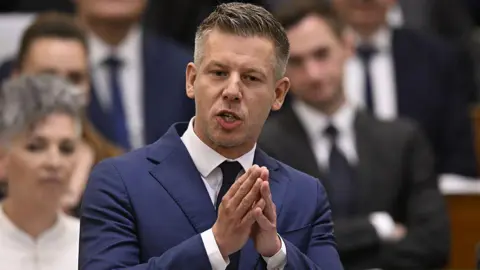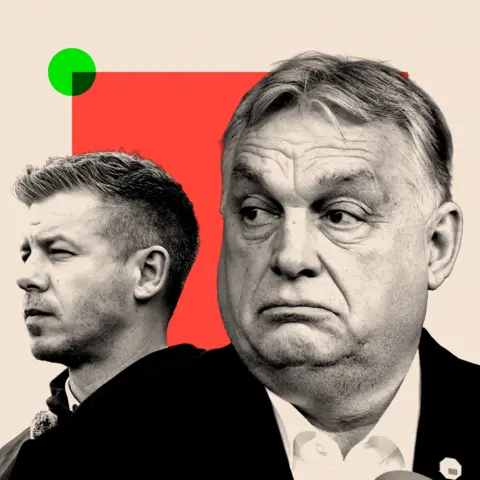
All they stand for is anger, hatred, and destruction, roared a hoarse Viktor Orban at a recent rally, referring to opposition protesters. Orban's carefully constructed image as Hungary’s calming leader is showing cracks as polls place the opposition Tisza party, led by Peter Magyar, significantly ahead. With just a week left before the election, Orban is forced back onto the campaign trail after giving few rallies in recent years, attempting to rally his supporters against a backdrop of a potential electoral defeat.
In the face of Orban's 16-year unchallenged rule, Magyar's Tisza party has shaken the political status quo, posing a serious challenge to Orban's Fidesz party, which has dominated Hungarian politics with the support of significant international figures. As Hungary approaches its parliamentary elections on April 12, global attention turns toward the implications of Orban’s potential loss for far-right movements across Europe.
Allegations of corruption have swirled around the Orban administration, alongside claims of voter intimidation as the government prepares for the polls. Orban’s reliance on a narrative linking the opposition to EU-backed militarization in Ukraine attempts to consolidate his base by presenting the stakes as a binary choice between peace and war.
If Magyar's reformist message resonates, especially with the younger electorate, it would signify a significant shift in Hungary’s authoritarian political landscape. As the Tisza party gains momentum, Orban’s ability to connect with rural voters is increasingly put to the test, positioning both leaders at a pivotal point leading to the elections.
In the face of Orban's 16-year unchallenged rule, Magyar's Tisza party has shaken the political status quo, posing a serious challenge to Orban's Fidesz party, which has dominated Hungarian politics with the support of significant international figures. As Hungary approaches its parliamentary elections on April 12, global attention turns toward the implications of Orban’s potential loss for far-right movements across Europe.
Allegations of corruption have swirled around the Orban administration, alongside claims of voter intimidation as the government prepares for the polls. Orban’s reliance on a narrative linking the opposition to EU-backed militarization in Ukraine attempts to consolidate his base by presenting the stakes as a binary choice between peace and war.
If Magyar's reformist message resonates, especially with the younger electorate, it would signify a significant shift in Hungary’s authoritarian political landscape. As the Tisza party gains momentum, Orban’s ability to connect with rural voters is increasingly put to the test, positioning both leaders at a pivotal point leading to the elections.