In brief
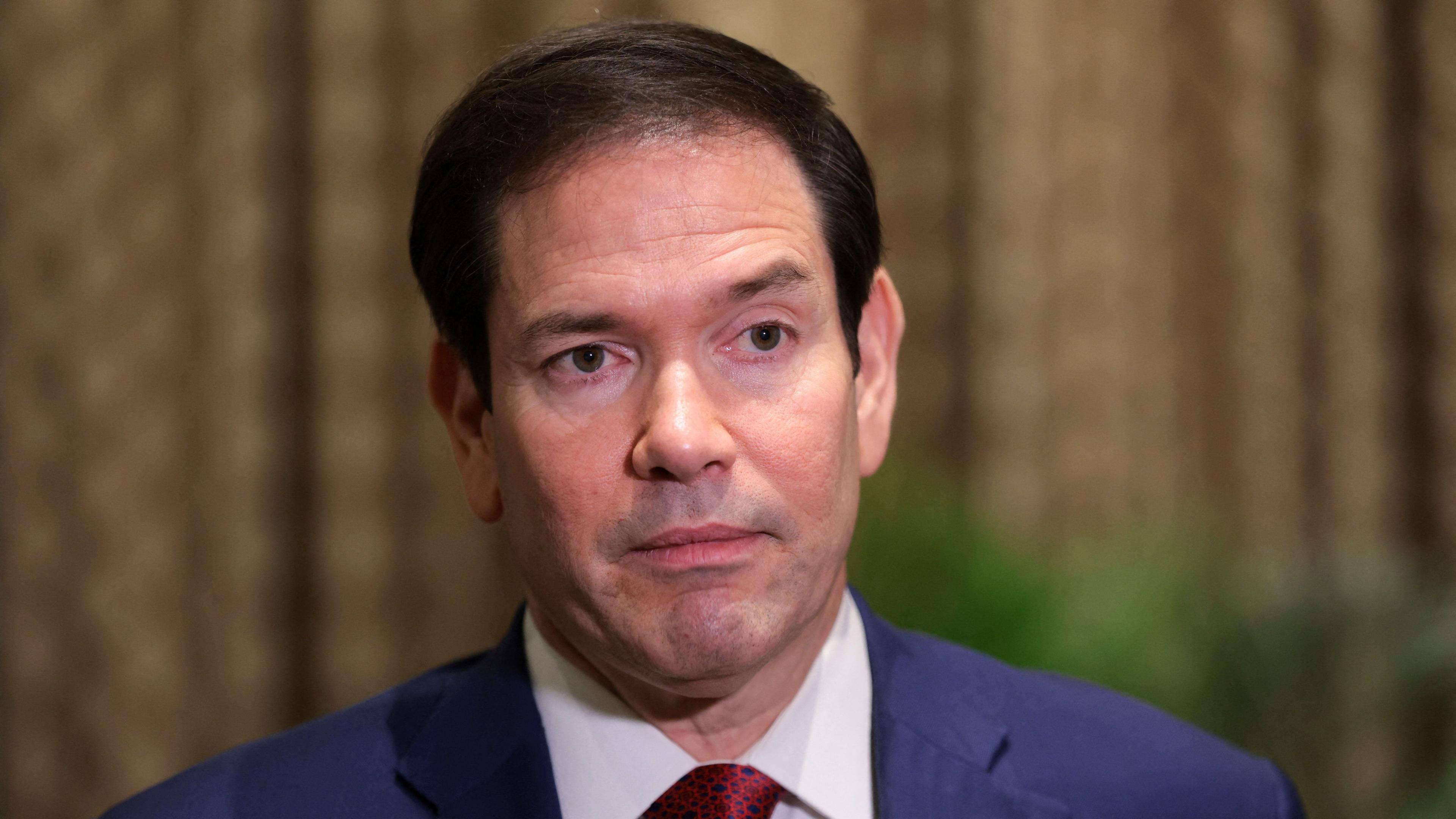
US Secretary of State Marco Rubio’s trip to Jamnagar, a quiet port town in Gujarat, reflects Washington’s urgent need to keep fuel prices down for the November midterm elections. Skipping Delhi, Rubio focused on India’s leading refinery and the vast processing capacity of Mukesh Ambani’s Reliance group, hoping to tap inland and overseas crude supplies. The visit comes amid lower U.S. tariff pressure on Indian goods, a pause on Russian diesel sanctions and a stalled U.S.–India trade deal that has lingered for two years. While it does not guarantee a new commerce pact, the trip has eased energy‑security tensions and positioned India as a potential middleman for Venezuelan and American oil on the run‑up to the elections.
Rubio’s Jamnagar Jaunt Signals a Strategic Shift in Energy Diplomacy
In a strategy move that has surprised pundits, US Secretary of State Marco Rubio chose the modest western Indian town of Jamnagar—home to the world‑largest oil refinery—as the final stop of his second Delhi‑free visit of 2026. The tour was framed as an energy‑cooperation mission, yet it carries a sharp focus on keeping US petrol prices low as the November midterms loom.
Rubio began in Mumbai, meeting Foreign Minister Subrahmanyam Jaishankar, top business leaders and a handful of industry officials. He then flew to Jamnagar, where his itinerary was met with a close‑knit delegation from Mukesh Ambani’s Reliance Industries, the refinery’s operating company. The refinery can process roughly 1.4 million barrels a day—about 1.5% of world output—providing a critical outlet for the United States’s lack of new refinery capacity.
The move aligns with Washington’s dual concerns. First, the Trump administration is under pressure to lower domestic fuel costs and avoid a spike that could hurt its midterm prospects. Second, escalating tensions in the Middle East threaten the global supply chain; by turning to India, the United States hopes to re‑balance the flow of crude and refined products from Russia and Venezuela.
While the visit bypassed Delhi—a city whose officials harbour reservations about recent Douglas‑Trump policies—analysts note that an energy‑focused tour offers a lower‑risk avenue to strengthen ties. Officials in both capitals thanked each other for respecting the trade‑negotiation process and underscored a desire to speed up a deal that has stalled for 20 months.
Reliance, which had historically been a major importer of Venezuelan crude, has been proposed as a potential partner for handling fresh oil shipments. Rubio’s remarks on “refining a super‑power” and his suggestion that the refinery’s heavy‑crude capabilities be leveraged for Venezuelan oil underscore this pivot. Whether the United States can secure a new deal with the refinery remains to be seen, though the discussion set a benchmark for future negotiations.
In the longer term, closer collaboration on energy security could remove some of the trade friction surrounding Russia‑energy purchases and permit a swifter path to a US‑India commerce agreement. Yet both sides acknowledge that significant policy and tariff questions must be ironed out before any binding accord can materialise. For now, the Jamnagar visit has managed to lift a key barrier in the tense relationship—at least opening the floor for further dialogue on a shared challenge: the global fuel market.