In brief
London, 28 October 2026 – The UK Treasury extended a general licence for Lukoil Bulgaria entities until February 26, 2027, enabling continued operations amid sanctions. The move follows similar extensions in the United States and is part of broader coordination between Bulgarian and UK officials to sustain oil supply and refinery operations.
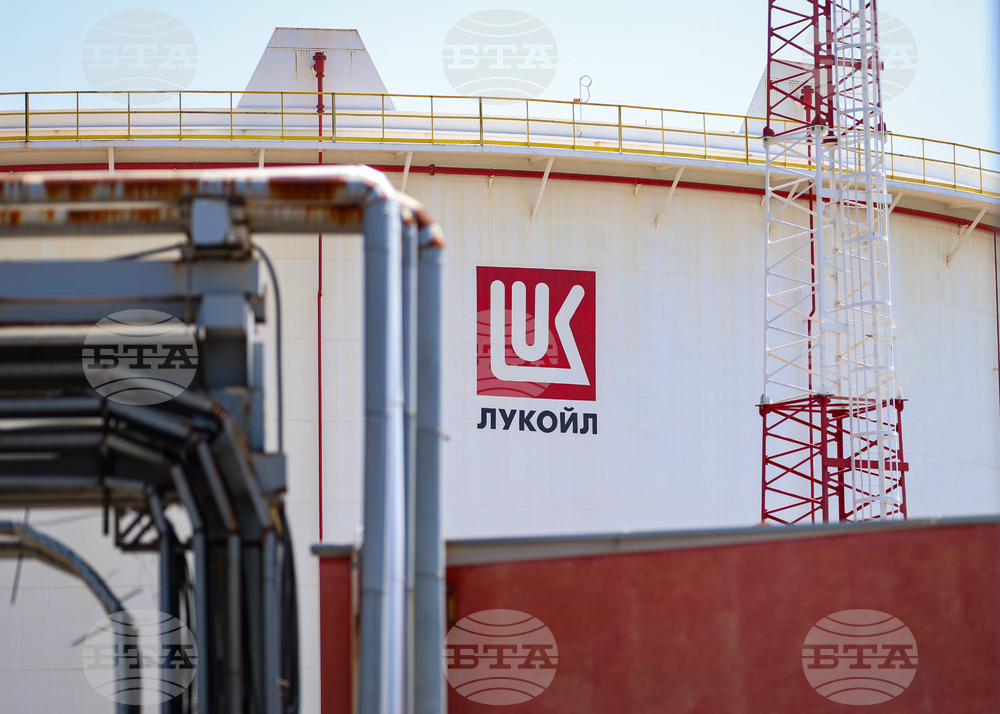
The UK Treasury announced on 28 October 2026 that it would extend the general licence covering Lukoil Bulgaria EOOD, Lukoil Neftochim Burgas AD, Lukoil Aviation Bulgaria EOOD and Lukoil Bunker Bulgaria EOOD until 26 February 2027. The licence, which began on 14 November 2025 and has been extended on several occasions, permits the companies to make payments and conduct other transactions related to their normal business activities without breaching the UK sanctions regime that targets the Russian oil company.
This decision follows a similar extension by the United States Treasury on 24 April 2027, which extends authorisation for certain transactions involving Lukoil’s Bulgarian subsidiaries. The UK and US moves underscore the international pressure on Lukoil while aiming to preserve supply lines for crude oil and the operation of the Burgas refinery.
Bulgaria’s Ministry of Economy, Investment and Industry cited the extension as an important step toward "stability and predictability" for the companies’ operations in the country. The ministry also highlighted the "security of crude oil supplies" and the "uninterrupted operation of the Burgas refinery" as key benefits of the licence. Deputy Prime Minister and Economy Minister Alexander Poulev said the extension was the result of "active dialogue at government level under Prime Minister Rumen Radev and talks with our British partners and the British Embassy in Sofia."
"The licence extension is essential for maintaining key business operations, including crude oil deliveries and tanker insurance. British insurers are crucial to the functioning of the supply chain, providing insurance for more than 90% of the tankers delivering crude oil. Maintaining the ability to work with British companies and UK‑linked partners is an important condition for ensuring continuity of operations," said Poulev.
Poulev added that the Bulgarian Government would continue working closely with international partners to safeguard supplies and protect the stability and interests of the Bulgarian economy and consumers. He emphasized that the licence was part of a broader strategy to keep the supply chain functional under the constraints of sanctions.
Earlier in the summer, the UK Treasury formally extended the general licence on 28 October 2026, 18 weeks after the previous extension. The licence allows Lukoil Bulgaria entities to carry out transactions typically carried out by their parent company in Russia, a function that has been vital to Bulgarian oil infrastructure. The UK's Office of Financial Sanctions Implementation published the decision on its official website, confirming that the licence remains in force until 26 February 2027.
Following the imposition of sanctions, Lukoil announced plans to sell its international assets and began considering offers from potential buyers. In late January, the company announced that it had reached an agreement with the United States Treasury, which also extended authorisation for certain transactions involving Lukoil’s Bulgarian subsidiaries.
While the licence extension helps keep the key refinery operations running, the extent to which other countries will maintain similar authorisations remains uncertain. It is also unclear how long the U.S. extension will last beyond 24 April 2027 or whether further sanctions might be applied by other jurisdictions. The future of Lukoil’s Bulgarian subsidiaries also remains uncertain, as the company’s broader strategies for asset management and potential divestments have not been fully disclosed.