US consumer prices climbed 3.4% in the year to July, slightly below the 3.5% rise to June, according to new 12‑August figures.
Energy prices stayed volatile as Middle‑East conflict continues. Gasoline fell 2.9% month‑to‑month but is up 24.6% year‑on‑year, underscoring the lasting impact of geopolitical instability.
The month‑to‑month rise of 0.1% was driven mainly by higher housing costs, which dominate household spending and amplify headline inflation when rents shift by even a small amount.
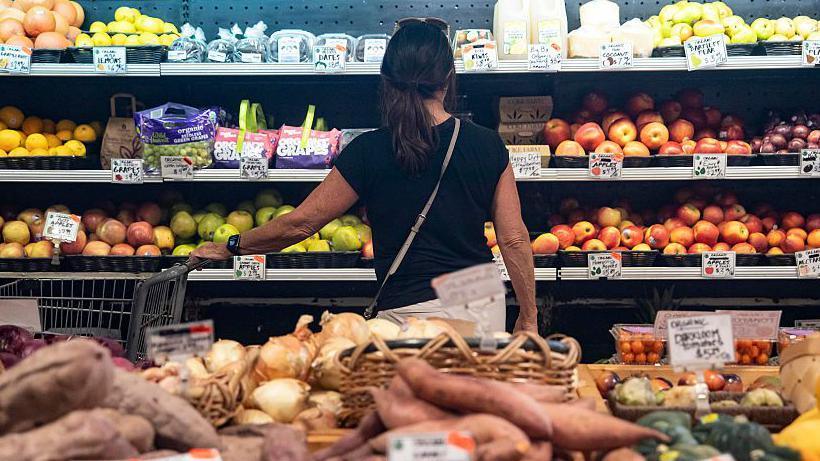
Food prices ticked up only marginally in July, at a slower pace than in June, while broader energy costs dipped, giving consumers temporary relief.
Although inflation is cooling, overall price levels remain well above the 2% target, meaning consumers still face significant cost‑of‑living challenges.
Core CPI (excluding food and energy) rose 0.2% after remaining flat in June, with medical care and airline tickets edging higher and car insurance declining.
Fed Chair Kevin Warsh reiterated that the central bank’s priority is to steady price growth toward the 2% goal without using a “magic wand” to reverse decades of above‑target inflation. The bank must stay patient as price pressures cool gradually.
President Donald Trump has echoed worries that high rent and grocery bills keep cost of living burdens high for many families.
Financial markets reacted calmly; equity prices barely changed, largely due to alignment with market expectations. Recent labor market data showing a loss of jobs softened expectations of immediate rate hikes.
For more detailed analysis, read the July jobs report.