WASHINGTON (AP) — In a significant shift from the downward trend in pollution reductions, the United States emitted 2.4% more greenhouse gases in 2025 compared to the previous year, as reported by the Rhodium Group in a study released on Tuesday.
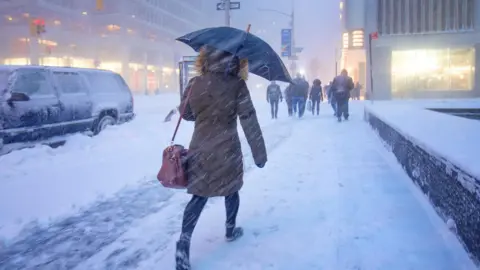
This uptick in emissions is attributed to several factors including a particularly cold winter that increased heating demands, substantial growth in energy consumption driven by data centers and cryptocurrency mining, along with an increase in the price of natural gas. The analysis indicates that despite recent efforts to curb greenhouse gas emissions, 5.9 billion tons of carbon dioxide equivalent gases were released, marking a concerning rise.
Study co-author Ben King notes that while American emissions dropped significantly (20% between 2005 and 2024), this increase demonstrates a troubling trend where emissions may rise faster than economic growth. He emphasizes that most of the rise can be linked to an increase in coal production due to rising natural gas prices, which had previously pushed coal demand to drastically lower levels.
“It’s not like this is a huge rebound,” King remarked, highlighting that coal's share in the energy market remains diminished but shows signs of slight recovery. Meanwhile, federal policies under the Trump administration related to environmental regulation have not been in place long enough to significantly influence emissions for 2025, but could have repercussions in subsequent years.
Solar power generation did see a boost of 34%, overtaking hydropower as a clean energy source, accounting for 42% of US energy. Nevertheless, the current federal stance toward fossil fuels raises concerns among environmentalists regarding the future trajectory of emissions.
Experts are cautioning that the emissions increase could foreshadow more challenging years ahead if the current leadership continues to overlook the shift to renewable energy, with some expressing disappointment at the regression in climate strategy.
The Environmental Protection Agency acknowledged their ongoing efforts to combat climate change, while critics like Bill McKibben lament the backward momentum in US climate policy.