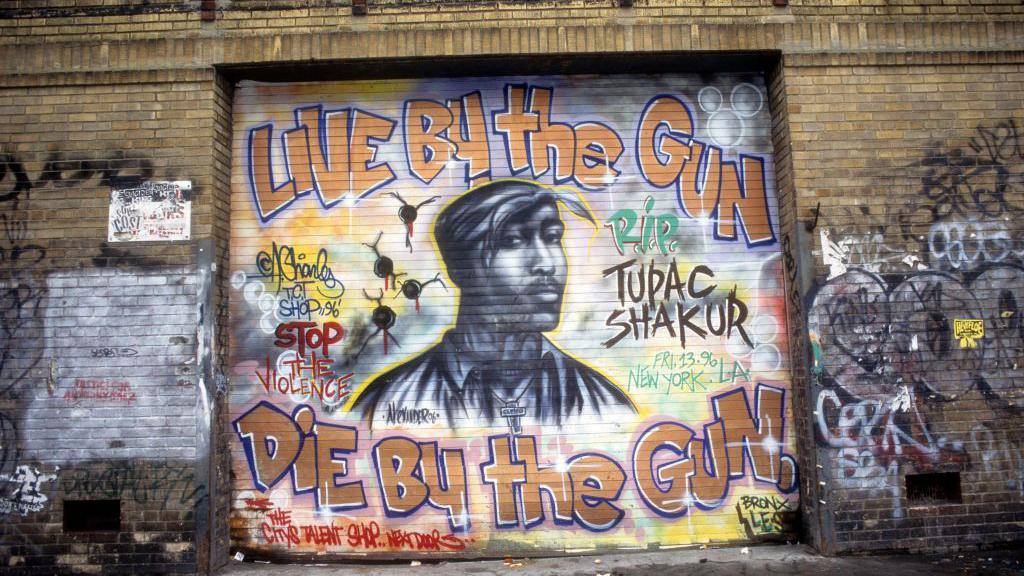
Tupac’s 1996 Murder Trial Opens: Echoes of a Cold Case
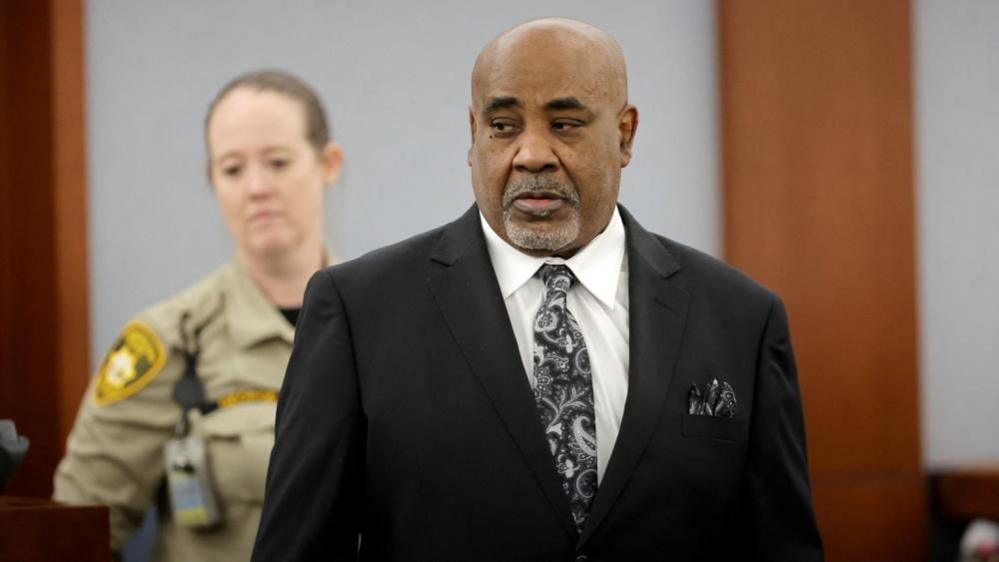
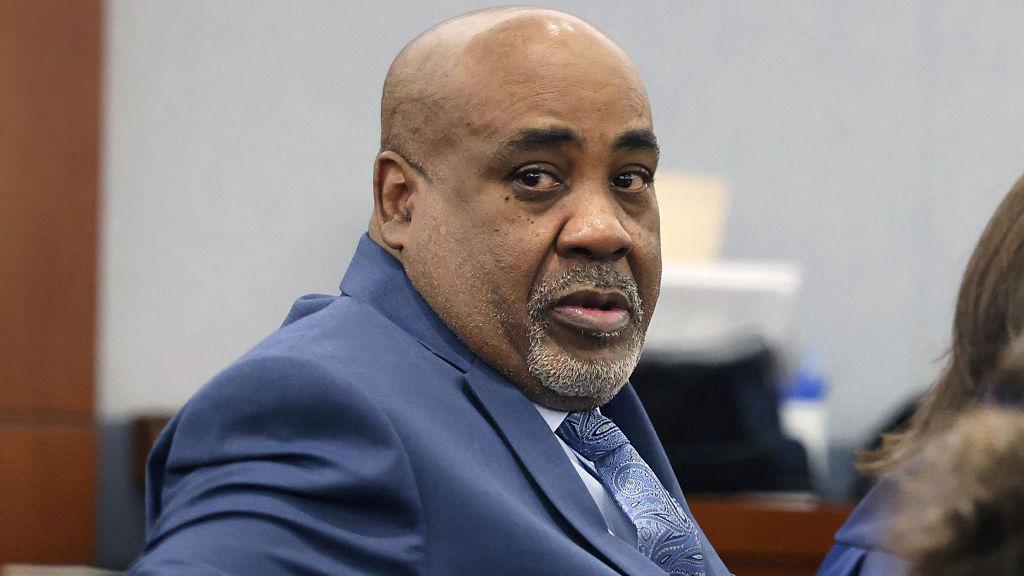
The first day of Duane Davis’s trial in Clark County became a flicker of history, as prosecutors painted the ex‑Crip gang leader as the mastermind behind the drive‑by shooting that killed the iconic rapper 25 years ago.
Prosecutors argue that, although Davis did not fire the gun that met Shakur’s life, he supplied the weapon to his nephew Orion Anderson and coordinated two vehicles to target the rapper on a Las Vegas street after a headline‑making fight for the death‑row label.
Davis’s own 2019 memoir claims he sat in a white Cadillac, handed the pistol to Anderson, and watched the shooting unfold. He now contends the book is a work of fiction, and that the case resides in unreliable testimonies and a decade‑old police void.
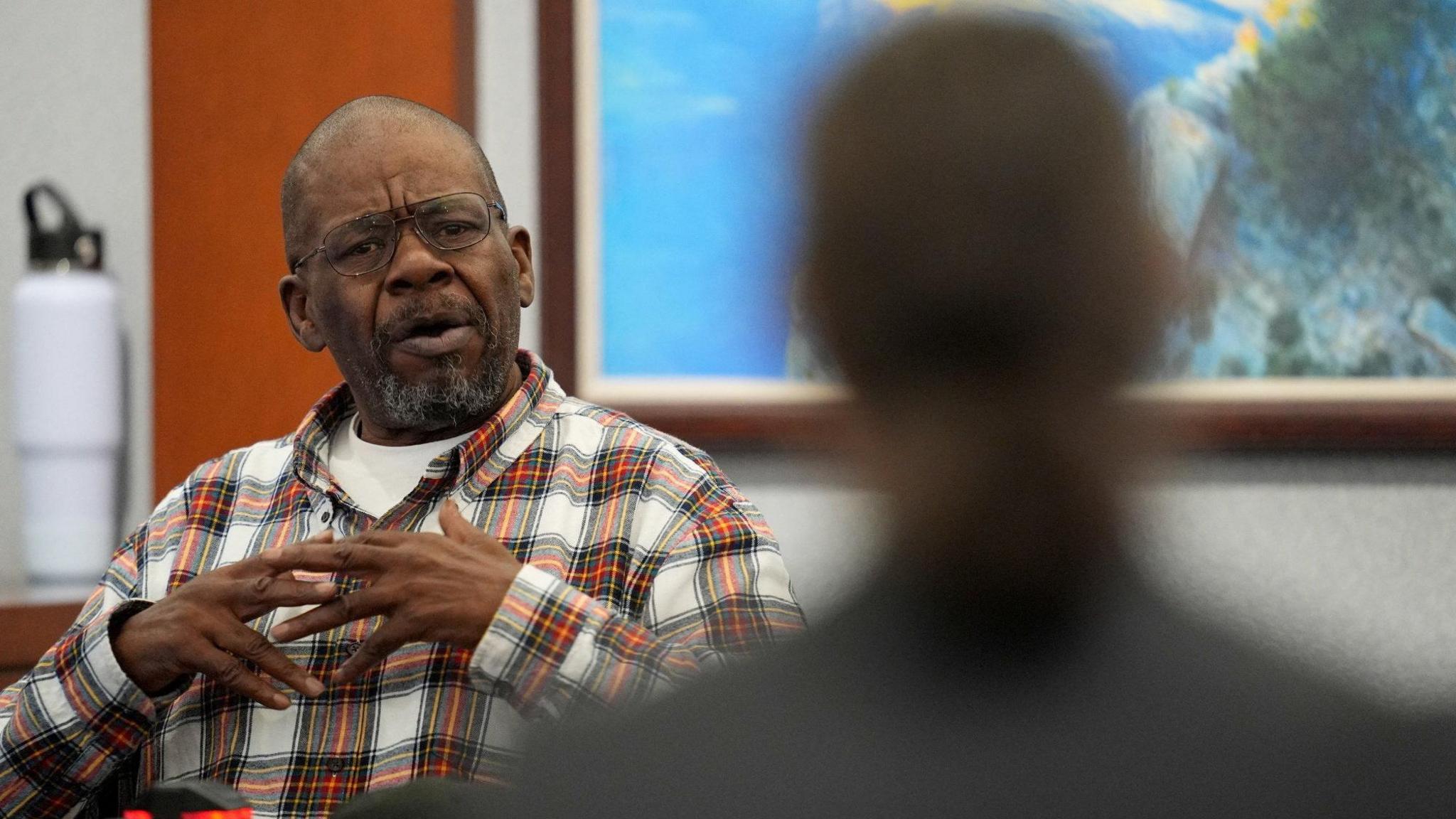
Witnesses such as former police officer Garry Dale and nightclub patron Ingrid Stokes immerse jurors in the crime scene, recounting how a car raid turned into a chaotic gun‑fire that “all hell broke loose.”
The prosecution further explains how the 1996 East‑Coast/West‑Coast rap rivalry, coupled with distrust toward authorities, left the investigation stalled for almost half a century. Yet the defense highlights missing police reports, questioned motives and alleged that the prosecution’s key witnesses have “financial motivations and inconsistent statements.”
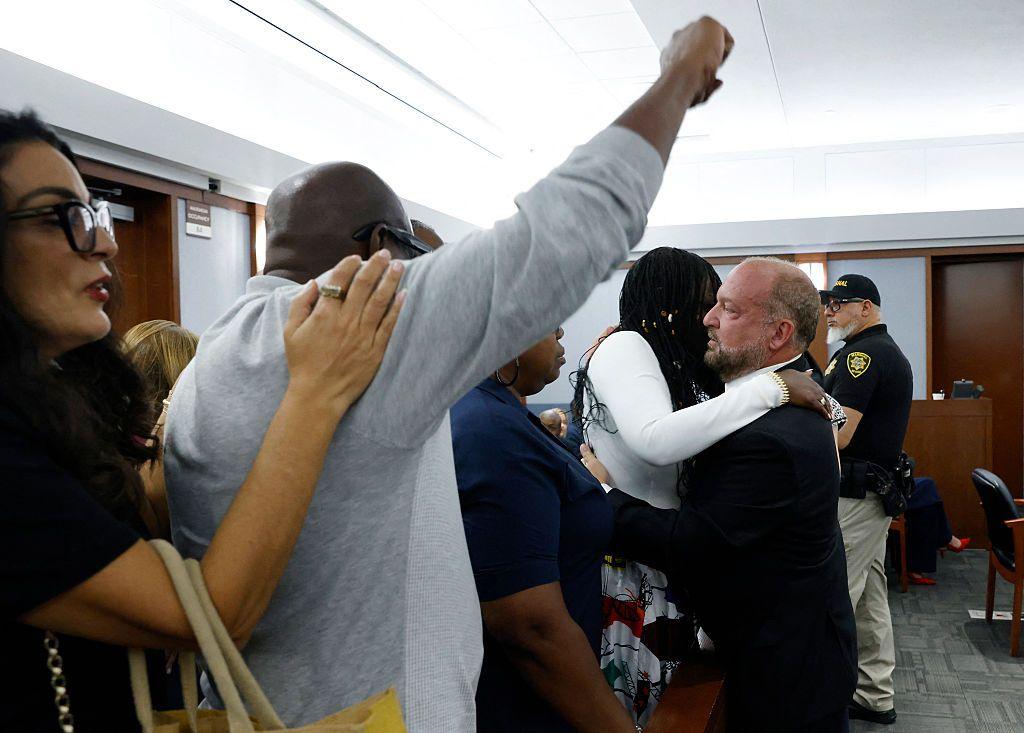
As the trial moves forward, the courtroom becomes a time capsule of the past decade, a chance for the public and industry insiders alike to revisit the events that shaped hip‑hop history and the unresolved hope for justice.