Together we are in a position to… end decades of suffering, stop generations of hatred and bloodshed, and forge a beautiful, everlasting and glorious peace for that region and for the whole region of the world.
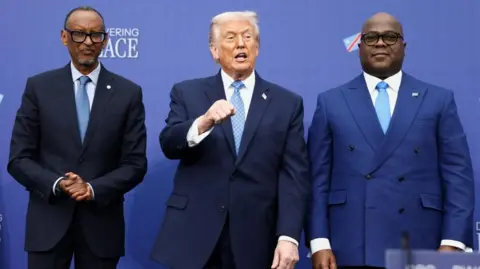
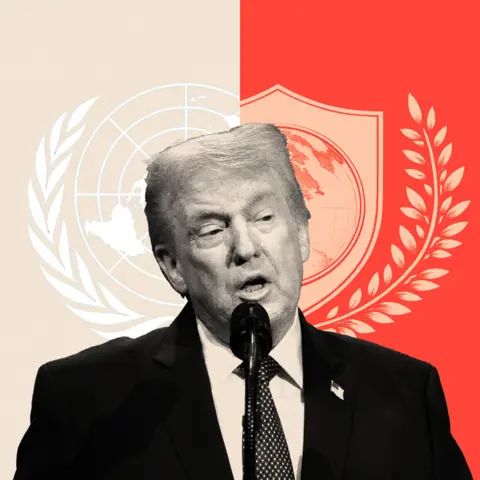
Such was the soaring promise of US President Donald Trump as he inaugurated his new Board of Peace on the stage of stages that is the Davos Economic Forum this week. The world of all too much suffering and strife badly wants to believe him.
But for many observers and officials in capitals the world over, it is yet more proof of Trump's drive to dismantle the post-war international architecture and replace it with new institutions - dominated by him. We will not let anyone play us, Poland's Prime Minister Donald Tusk warned tersely on social media.
The idea - born last year in US-led efforts to end the war in Gaza and endorsed by a UN Security Council resolution - now has a much greater, far grander, more global ambition. And it pivots around the president.
In leaked details of the draft charter he is the Board's chairman for life even when he leaves office. Under that charter his powers would be vast: authority to invite member states or not; to create or dissolve subsidiary bodies; and the mandate to appoint his successor whenever he decides to step down, or if he is incapacitated. If any other country would like to become a permanent member, the price is an eye-watering $1 billion (£740m).
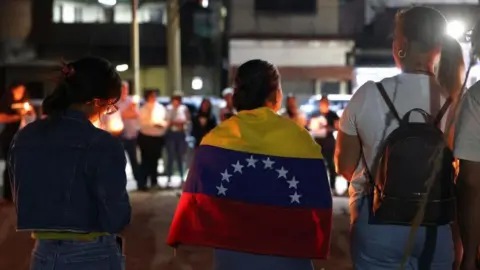
This latest bombshell lands in what is already a head-spinning month. In a few short weeks there's already been the US capture of Venezuela's leader, Trump threats and preparations for military action against Iran, and demands to acquire Greenland which sent shock waves across Europe and beyond.
Nineteen countries showed up in Davos for the Board's inauguration from all corners of the compass - from Argentina to Azerbaijan, from former Soviet republics to Gulf kingdoms. Many more are said to have agreed to join.
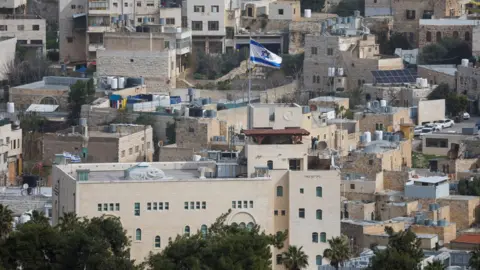
However, the proposal raises unanswered questions that require further dialogue with Washington, as expressed by numerous countries, including Sweden and Norway. A group comprising predominantly Muslim nations, likewise, emphasized the goal of seeking a just and lasting peace in Gaza.
Trump's remarks about the potential of the UN were laced with skepticism. Well it might. The UN just hasn't been very helpful, he stated, suggesting a possible intention for the Board to eclipse the UN's role.
In summary, while the new Board of Peace aims to tackle longstanding conflicts, it raises serious concerns regarding its impact on established international diplomatic frameworks and the future role of the United Nations in global peacemaking.