
In brief
In a shocking display of anti-immigrant rhetoric, President Trump recently referred to Somali immigrants in the U.S. as 'garbage,' a statement that has drawn widespread condemnation. This marks a further escalation of Trump's long-standing inflammatory language towards immigrants, reminiscent of sentiment expressed historically by figures like Hitler. This rhetoric poses profound implications for American identity and reveals divides over who qualifies as an American. As Trump pursues stricter immigration policies, experts warn of the dangers of legitimizing such language in political discourse.
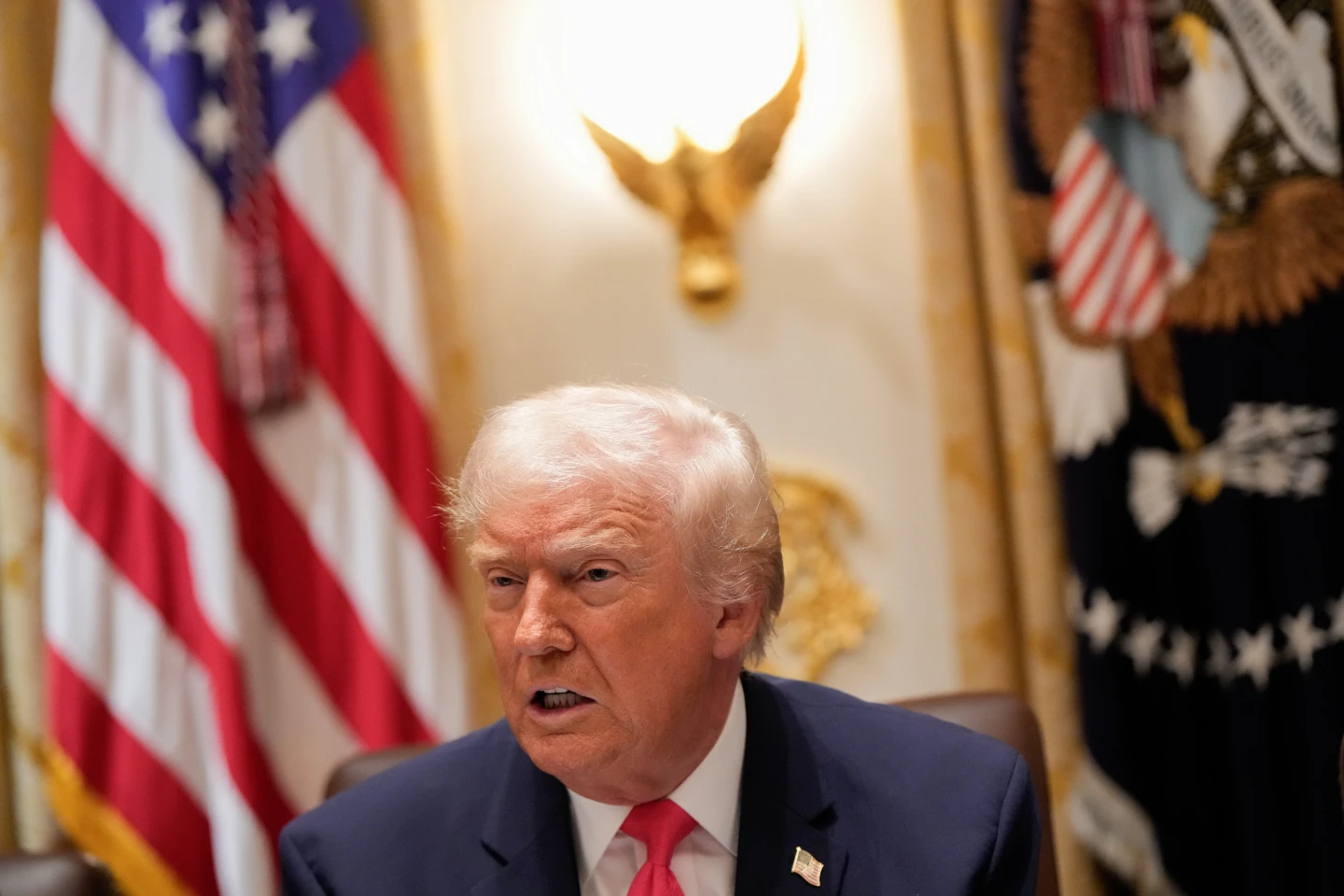
In a controversial remark made during a Cabinet meeting, President Donald Trump labeled Somali immigrants in the United States as 'garbage,' a phrase he repeated multiple times in a short span. This outburst adds to a long history of Trump's derogatory statements against immigrants, including claims that Mexico sends 'rapists' and referring to African nations as 's---hole countries.' Trump's recent comments have not only intensified the anti-immigrant sentiment but have also transformed the national conversation surrounding the identity of Americans.
During the meeting, Trump openly disparaged the 260,000 individuals of Somali descent living in the U.S., suggesting they should 'go back to where they came from.' His Cabinet members reacted with cheers, indicating a troubling endorsement of such divisive rhetoric at the highest levels of government.
This marked rhetoric starkly contrasts the principles upon which many consider the nation to be founded — welcoming immigrants from diverse backgrounds. Critics, including history professors and immigrants' rights activists, warn that Trump's language legitimizes xenophobia and could have significant ramifications on the treatment of immigrant communities in America.
As Trump calls for stricter immigration control and faces vivid backlash for his remarks, this incident fuels an ongoing debate about what it truly means to be American and challenges the values of inclusivity that some hold dear. The divisive tenor of his remarks points to a broader cultural clash over issues of race, ethnicity, and belonging within the ever-complex American identity.

