In brief
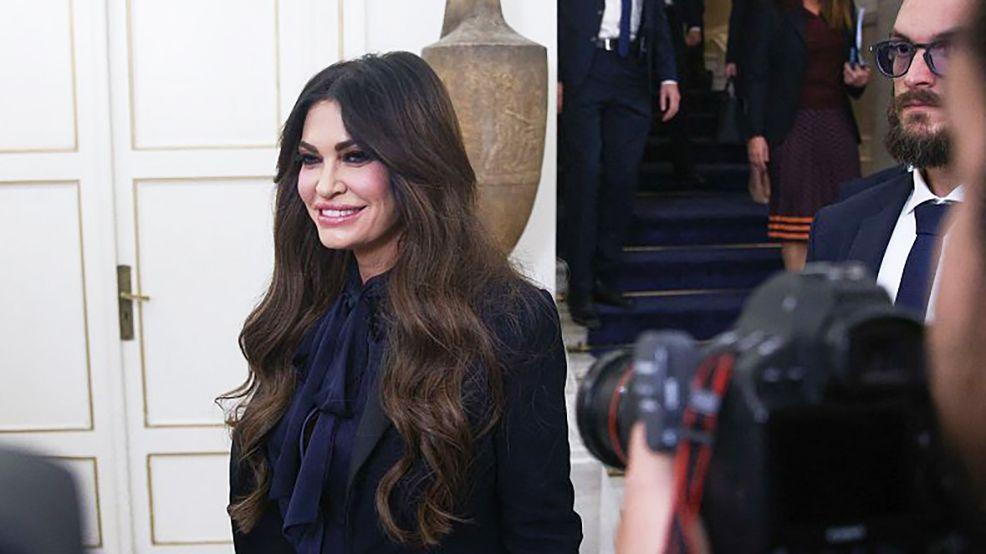
President Donald Trump has asked Kimberly Guilfoyle, his former Fox News host, to resign as US ambassador to Greece following accusations that she solicited a Trump donor for a credit‑card loan in return for influence. Guilfoyle claims the allegations are false and vows to defend her reputation. The resignation comes after a flurry of text messages and audio that critics say show improper conduct. Officials, including Secretary of State Marco Rubio, expressed dismay as the case unfolds. The incident marks a sharp turn in Trump’s post‑presidential foreign service appointments.
The former Fox News host, who served as the US ambassador to Greece, was asked by President Donald Trump to quit after a surge of accusations that she solicited a Trump donor for a credit‑card balance in exchange for access to the administration.
Whistle‑blower texts released by the BBC and first detailed by the Wall Street Journal show Guilfoyle asking a long‑time Trump ally to run a wired transfer to her American Express account. A separate message, dated days before her Senate confirmation hearing, urged the donor to move the money quickly. The documents, which Guilfoyle’s lawyers say were fabricated, also claim she bragged about arranging luxury travel for Greek businessmen and hinted that the United States could topple the Greek government.
In a brief presidential briefing, White House press secretary Katie Zacharia announced that the ambassador had been asked to resign without providing a full list of evidence. Trump added that he was “not happy” with the allegations and that she had “done a good job” but that the situation was untenable.
Guilfoyle tweeted a defence, insisting that the accusations are false and that she is the victim of political attacks. She said she would defend her name and integrity and that the ambassadorship “was a privilege of a lifetime.”
The fallout has reached senior officials. Secretary of State Marco Rubio, who travelled to Athens with Guilfoyle last week, has expressed anger over the misconduct. The situation also raised concerns in Washington about the vetting of diplomatic appointments and the potential influence of personal relationships on foreign service posts.
The case underscores the complexities that arise when political appointments intersect with foreign policy and opens a window for a deeper examination into how political leanings can shape diplomatic representation.