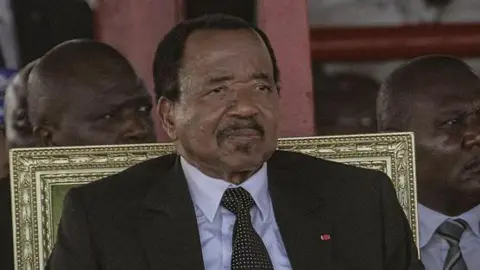
Cameroon's President Paul Biya, the world's oldest leader at 93, is poised to appoint a vice-president for the first time in 43 years of rule, following changes to the constitution approved by parliament.
Legislation passed with 200 votes in favor, 18 against, allows the appointed vice-president to automatically assume the role of head of state should Biya be incapacitated, completing the term before new elections are called.
The vice-presidency was abolished in 1972, and traditionally, the Senate leader acted as a temporary president. The shift has not come without controversy; critics label it as a consolidation of Biya’s power and a move aimed at securing his political legacy.
In recent months, there has been growing concern about Biya's health, yet public discussions about it remain sensitive. The new vice-presidential role invites speculation about potential successors, as Biya seeks to secure governmental efficiency while maintaining control.
While government supporters argue that the move enhances representation, numerous opposition figures—including Maurice Kamto of the Cameroon Renaissance Movement—have denounced this decision as a step toward a "republican monarchy."
Despite the backlash, Biya's administration touts potential benefits of the reform, although critics warn of missed opportunities for a more inclusive governance structure.
This constitutional transition sets the stage for heightened political discourse in Cameroon, focusing on the identity of the future vice-president and what it means for the nation's leadership landscape after Biya.