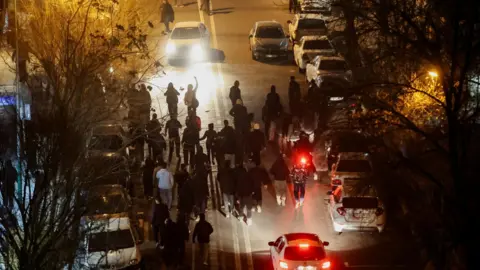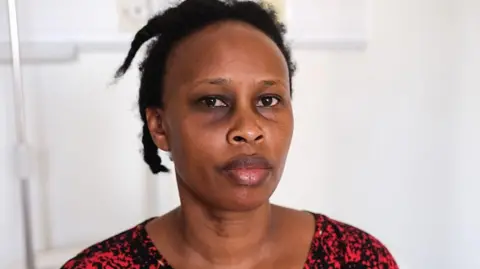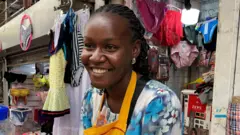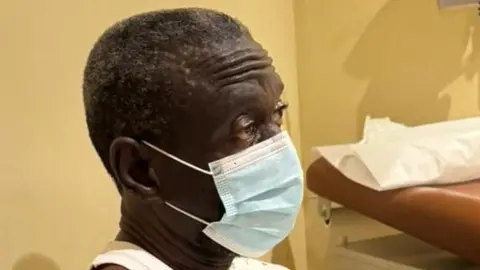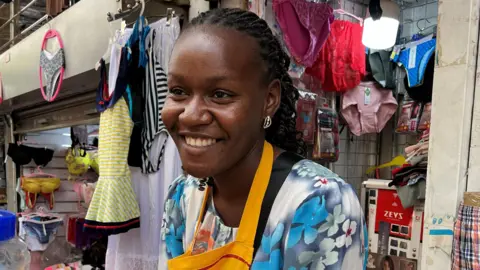
In the wake of Uganda's highly contested elections, a widespread government-ordered internet shutdown has left many residents in turmoil. Mobile money agent Mirembe Tracy, operating in the capital Kampala, expressed her frustration as her business was brought to a standstill: All withdrawals were disconnected, she explained. Without it, my income dropped to zero. Losing it was a total loss. This shutdown lasted for two days around the elections, obstructing essential services that heavily rely on internet connectivity.
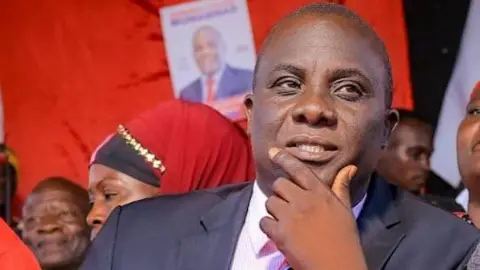
The Ugandan communications authority justified the decision, stating it was necessary to maintain peace and ensure national security during a sensitive period. However, opposition parties accused the government of attempting to conceal voter fraud and halt agents from disseminating polling results.
This abrupt halt to internet access was particularly damaging for those engaged in online businesses, including ride-hailing operators and social media vendors. SafeBoda, a leading ride-hailing service in the city, reported its entire server was down due to the blackout, leaving many riders and other dependent businesses devoid of income. Traditional businesses also suffered, as retailers like Namukwaya Olivia were unable to receive orders or fulfill deliveries, further exacerbating financial instability.
As people grappled with the silent struggle of isolation, journalist Ngabo Amon lamented the paralysis of communication, stating, You have a phone, but there is nothing to do with it. For young individuals like gamer Ronnie Mwesigwa, the online disconnect was particularly profound, as he lost touch with friends and entertainment sources. It was not a good situation, he reflected.
Students also faced strain from the lack of communication; Aaron Benitez noted, I needed to know what was happening with my family... but I could not connect with them at all. The disruption extended into academic life, with online classes and discussions abruptly halted.
While internet services have been partially restored following the election results declaring President Yoweri Museveni's victory, many platforms remain slow or restricted. This ongoing digital struggle serves as a stark reminder of the essential role that internet connectivity plays in the daily lives of Ugandans.