Tiny Image Sparks Big Backlash in Nikon Photo Contest
Nikon’s annual Small World In Motion contest, which rewards the sharpest microscopy images, has found itself in a dilemma after the winner’s video was allegedly edited with AI.

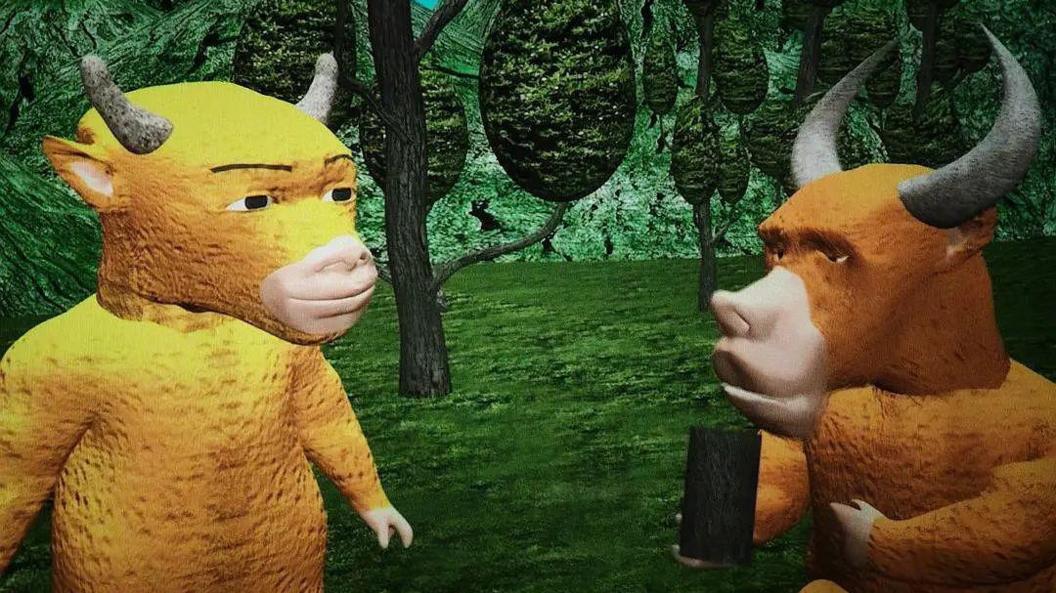
The 2026 winner, Dr Ning Xu from Tsinghua University, presented a short clip of cilia moving inside a child’s airway with a rare condition. Scientists say the filmed motion and shapes look "unrealistic" and that artificial brightness could hide AI usage.
Xu denied that the image was generated, claiming AI was only used in post‑processing to colour and clarify features in the grayscale data. He posted a statement on LinkedIn: "AI was not used to generate the experimental movie, the cilia…"
Field experts, including Edward Phelps of Florida University and PhD student Ian Donovan, point to "pop‑in" effects and a watermark that suggest the clip was synthetic. Two former judges also raised concerns about authenticity.
Nikon says it is "respectfully complying" with the investigation, providing additional technical documents and maintaining that no contest rules were broken. The company plans an update shortly.
The controversy underscores the growing tension over the use of generative AI in scientific imagery, where authenticity is paramount and reputational stakes run high.
Read more: What is AI and how does it work?