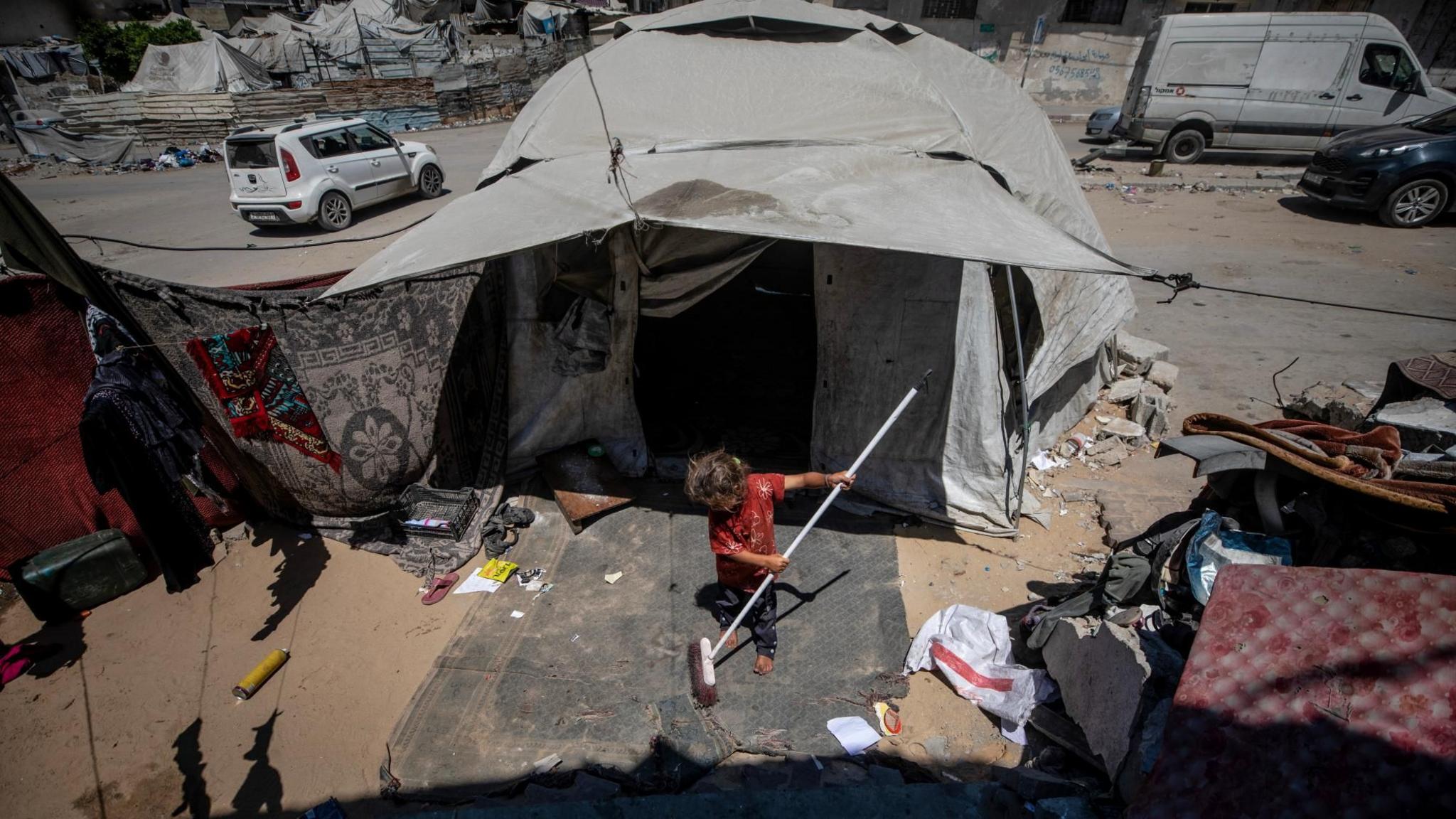
Six‑year‑old Raseel al‑Balawi, a resident of the al‑Mawasi camp, has suffered a brutal ordeal since an Israeli helicopter strike hit her tent in late July. The attack caused catastrophic wounds that have required more than 20 operations in the past month alone.
Witnesses say the strike smashed the wooden walls of her shelter, sending blood and debris everywhere. Doctors in the overcrowded field hospitals have been carrying out repeated surgeries to control bleeding, close exposed tissue and manage infections that threaten to take her life.
Israel’s military spokesperson has stated that the army has no record of attacking a civilian site and has “regretted any harm to civilians.” Yet the fact that Raseel is enduring so many procedures paints a stark picture of the humanitarian costs of the conflict.
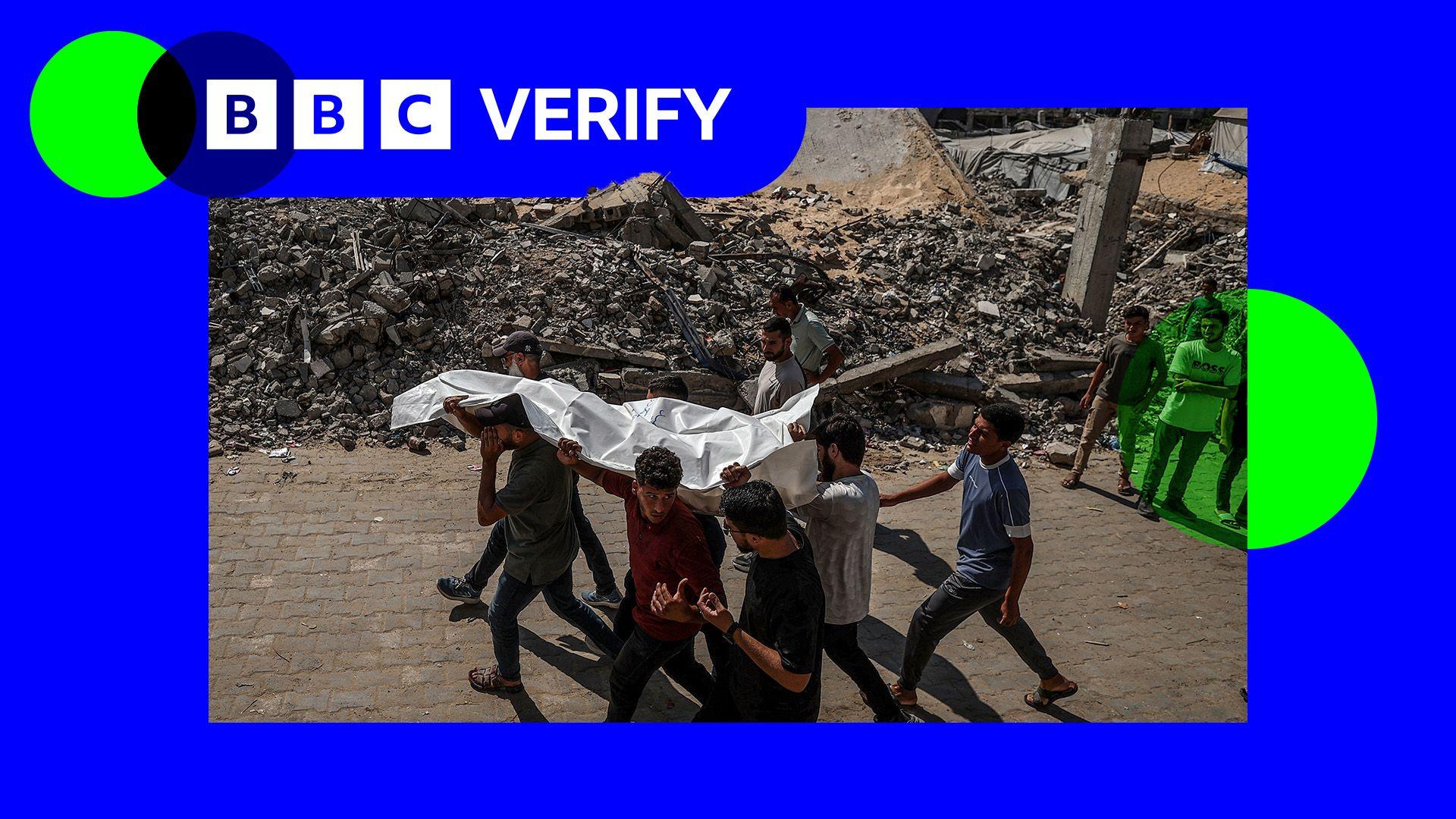
BBC Eye Investigations followed Raseel’s case throughout the summer, documenting how the succession of operations strains an already exhausted medical system. In a region where hospitals are bombed, supplies are rationed, and staff are overworked, every surgery risks complications that could be fatal.
Raseel’s story is one of many that illustrate the fragile reality for children caught in war. While institutions like the World Health Organization warn of impending shortages, families like Raseel’s cling to the hope that the final sweep of the ongoing hostilities will lead to peace and recovery.