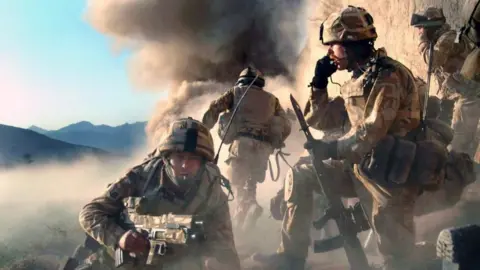
Blast walls, rocket attacks, Forward Operating Bases (FOBs), Improvised Explosive Devices (IEDs)... and long queues in the canteen. Anyone who deployed to Afghanistan, in whatever role, between 2001-2021 will have their own vivid memories of that time.
It started with the flight in – to Kandahar, Kabul or Camp Bastion. It could be a long, slow descent with the lights out on an RAF jet, or a rapid, corkscrew down in a C-130 transport plane. In both cases the aim was to avoid being blown out of the air by a Taliban surface-to-air missile.
Over the course of 20 years thousands of servicemen and women, as well as civilians, from dozens of countries deployed to Afghanistan, answering the US call for assistance. This call invoked NATO's Article 5, marking a significant moment in the alliance's history.
The Taliban were driven from power by a joint effort from US military forces and international troops, but the decade that followed was fraught with danger and loss. The hidden threats of IEDs left many soldiers in constant fear, life was often determined by a split-second decision amidst the chaos.
As troops from Britain, Canada, and many other nations faced intense combat scenarios, the resilience and bravery of these individuals became evident. They've confronted dangerous realities while contributing to something greater than themselves - honoring their commitment to a collective cause.
These diverse forces did not simply fight a war; they formed a multi-national effort marking both camaraderie and sacrifice. Their story remains critical, reflecting the notion that bravery knows no borders.
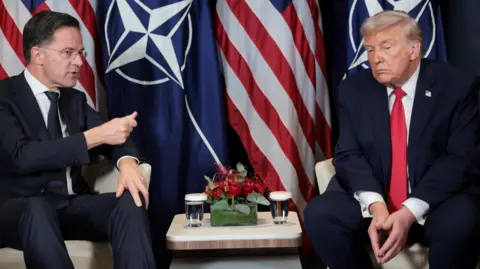
The anguish resurfaces around the recent comments downplaying the contributions of NATO allies, igniting outrage over the misrepresentation of this shared sacrifice. The legacy of those who risked their lives in Afghanistan enshrines the importance of recognizing every soldier's fight and the dire consequences they bore.