In brief
Global efforts are underway to create a standardized label for products and services that are 'human-made,' as various declarations like 'No A.I' and 'Proudly Human' flood the marketplace due to the rapid rise of AI-powered automation. The push has led to numerous initiatives, though experts warn of consumer confusion without a singular, clear definition of what 'AI-free' truly means. The movement reflects broader societal concerns over the impact of AI on jobs and creativity.
Organizations worldwide are racing to develop a universally recognized label for human-made products and services as part of the growing backlash against AI use.
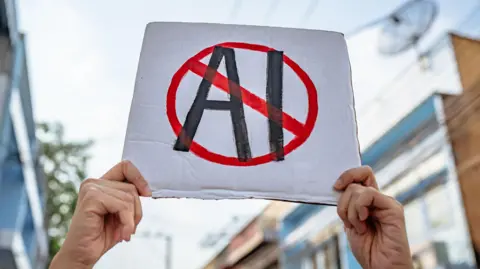
Declarations like Proudly Human, Human-made, No A.I and AI-free are appearing across films, marketing, books, and websites.
This movement is in response to fears that jobs or entire professions are being swept away in a wave of AI-powered automation.
BBC News has counted at least eight different initiatives trying to come up with a label that could get the kind of global recognition that the Fair Trade logo has for ethically made products.
However, with so many competing labels and confusion over the definition of AI-free, experts warn that consumers may be left perplexed unless a single standard can be agreed upon.
Dr. Amna Khan, a consumer expert, emphasized the importance of a universal definition to build trust and confidence: AI is creating significant disruption, and competing definitions of what is 'human-made' are confusing consumers.
The movement to create AI-free certification systems follows the increasing use of generative AI tools that are replacing human work and creativity across various industries, including fashion, advertising, publishing, customer services, and music.
The organizations behind these labels include companies and non-profits based in the UK, Australia, and the US.
Some labels like no-ai-icon.com can be downloaded for free without much auditing, while systems like aifreecert require strict vetting to check for AI usage.
Experts warn that coordinating a consensus on what counts as human-made will be challenging as AI infiltrates everyday work processes.
In the film industry, initiatives to ensure authenticity include disclaimers indicating the absence of AI in productions, as seen in Hugh Grant's thriller Heretic. This raises the discussion of the economic value placed on human-made content.
Publishers are also adapting, with initiatives like Faber and Faber's Human Written stamp appearing on books to indicate that no AI was utilized in their creation.
As the complexities of AI involvement in creative processes grow, consumers will need transparent and reliable markers to distinguish between human and machine-generated content.