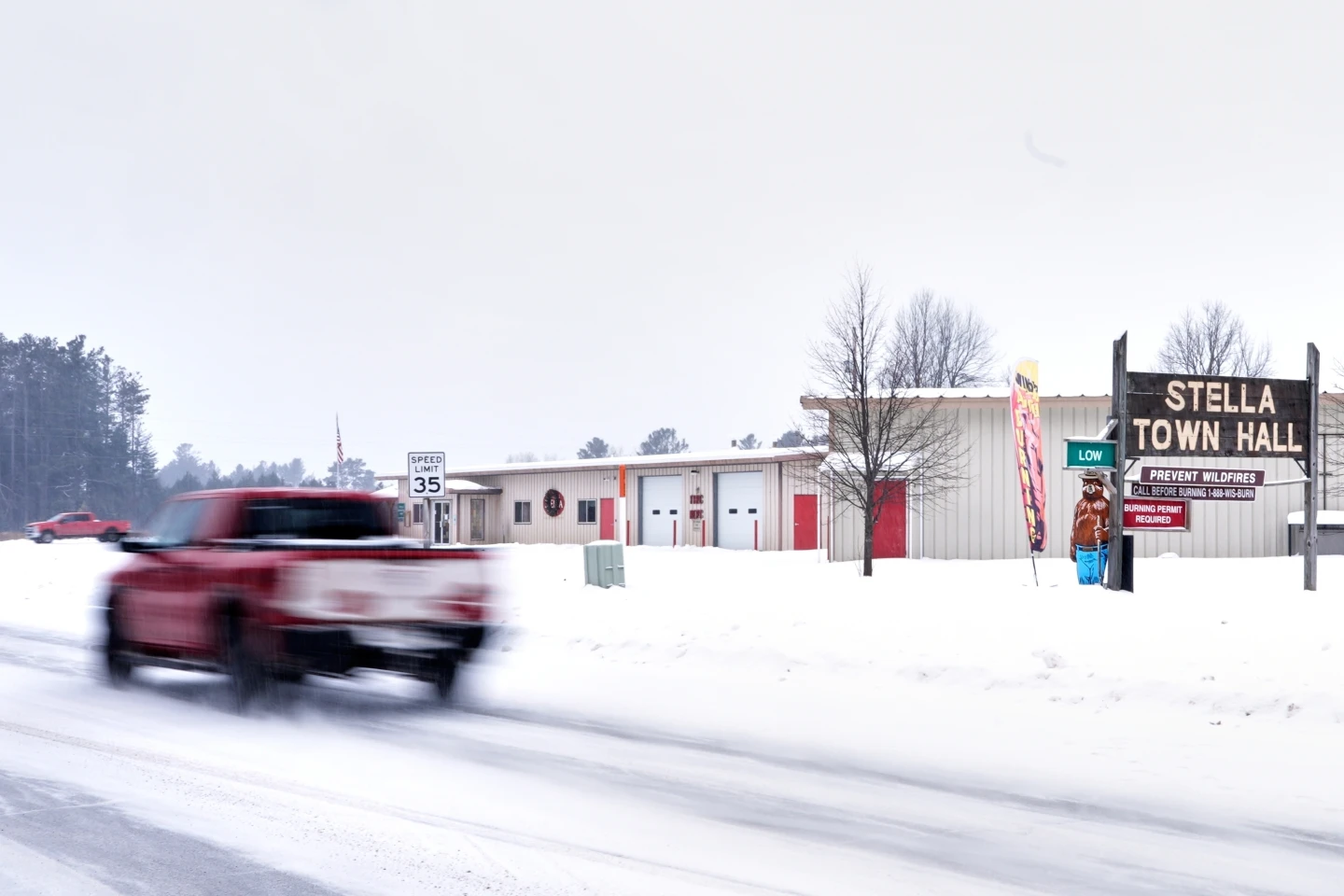
STELLA, Wis. — In a small Wisconsin town, the impact of PFAS contamination runs deeper than the surface of the water. Kristen Hanneman's simple choice to test her well water in 2022 spiraled into a community crisis when results revealed dangerously high levels of harmful 'forever chemicals.'
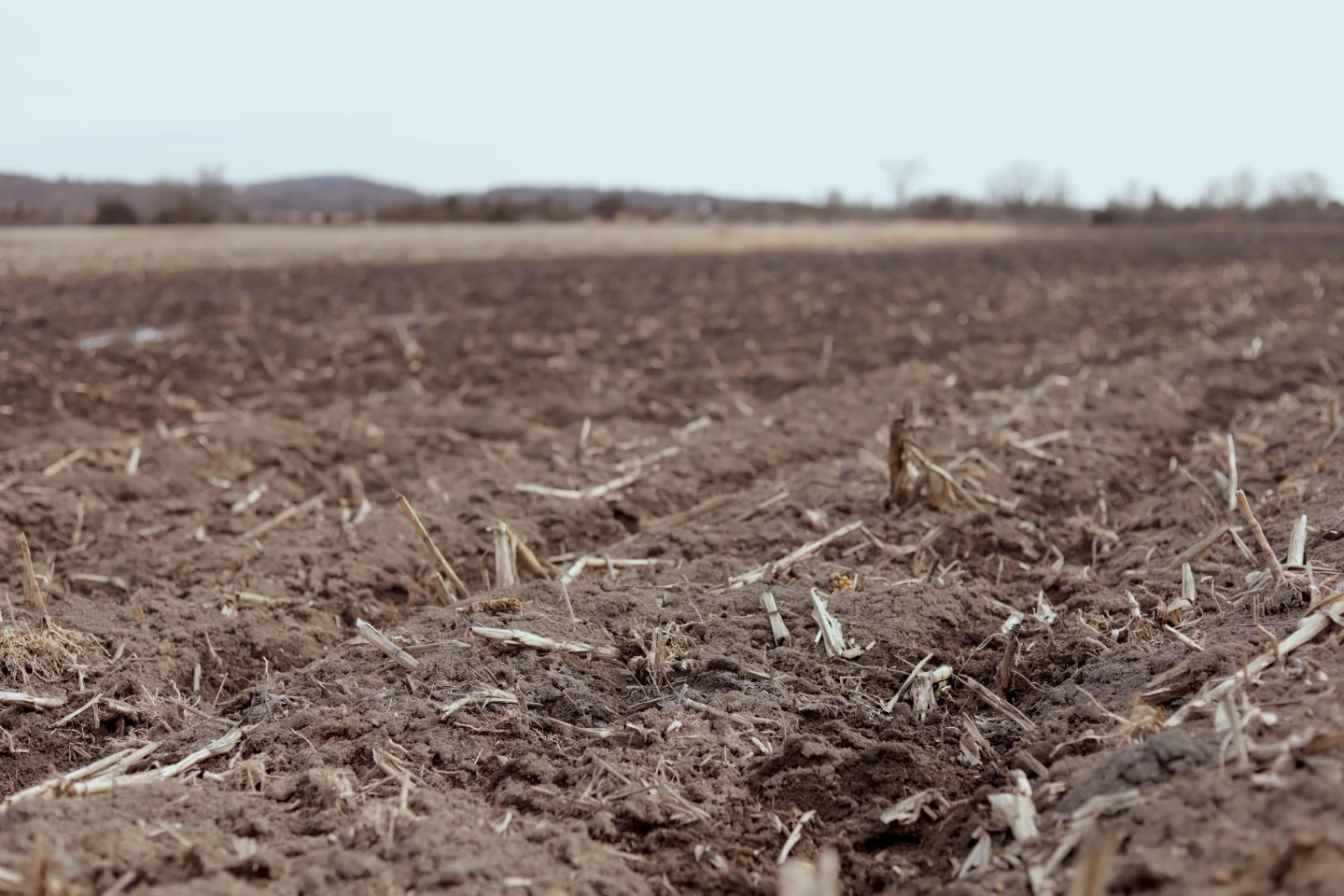
What began as an innocuous well testing initiative has uncovered a much larger threat faced by residents. In a region known for its agricultural richness and outdoor recreation, the implications of PFAS contamination have struck a devastating blow to the local community's health and environment.
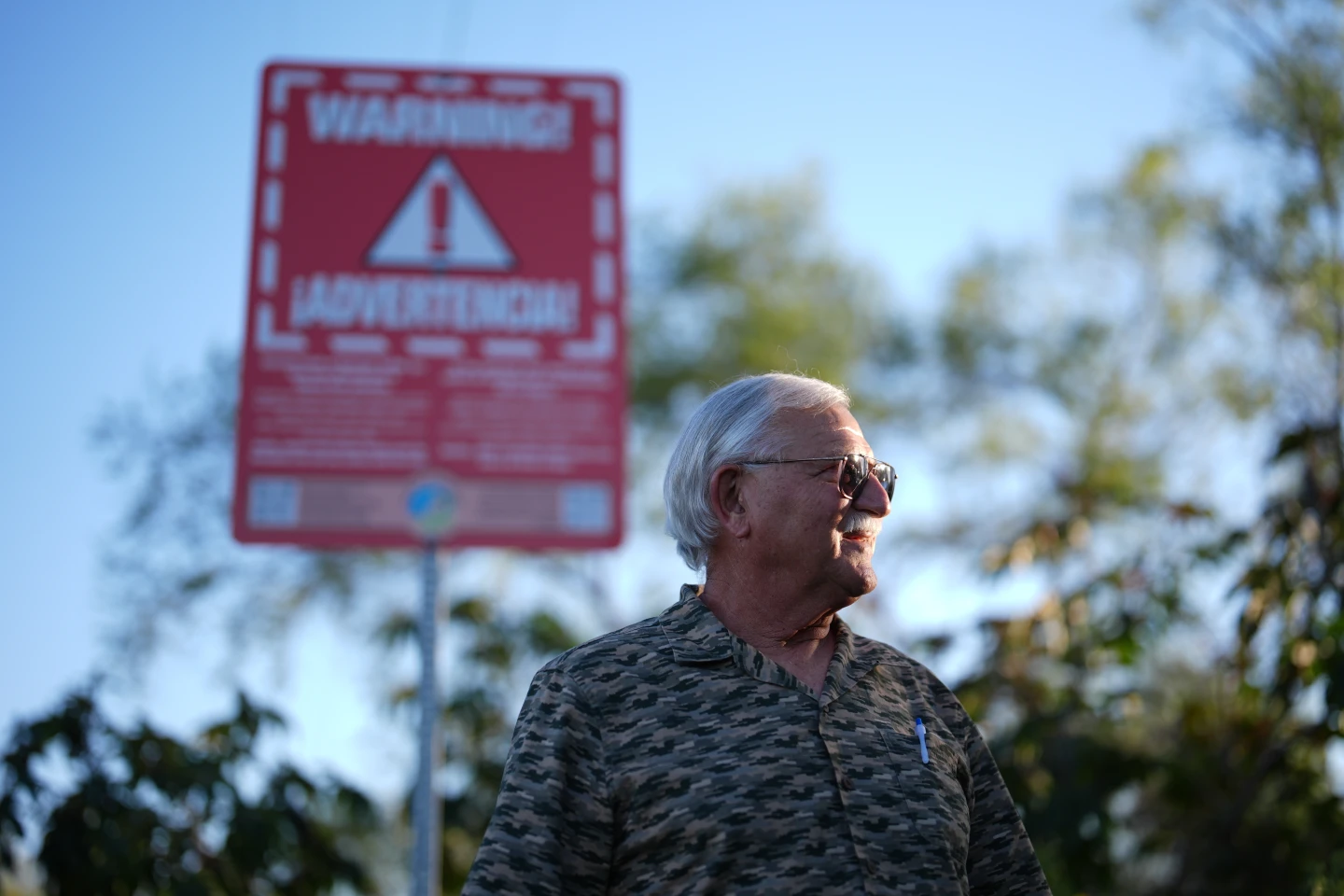
After discovering that her well water had contaminant levels thousands of times higher than federal safety limits, concern quickly spread. Health officials have warned local residents to limit consumption of fish and game from affected waters, and many residents are left wondering about the long-term consequences of their exposure.
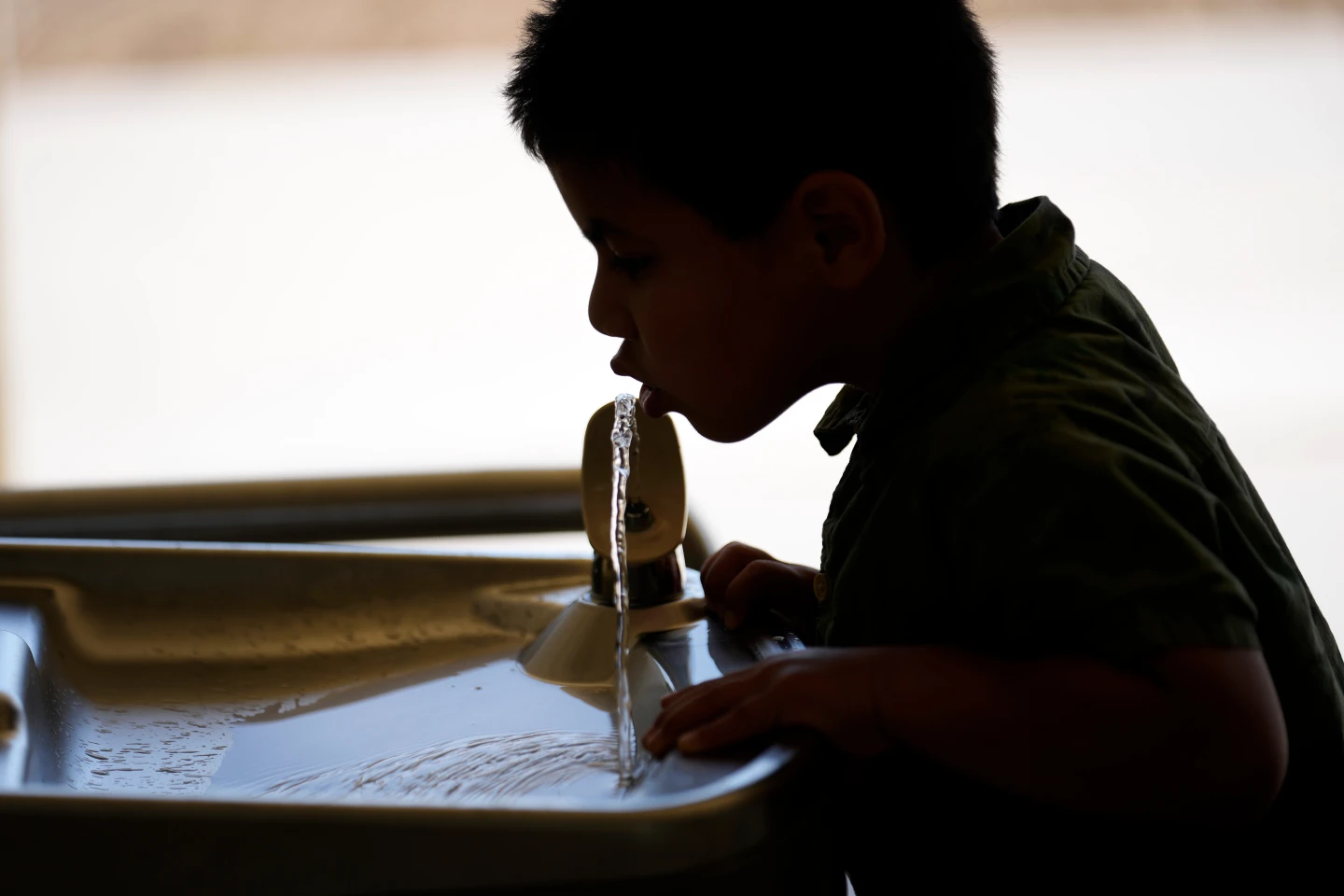
The crisis in Stella mirrors a nationwide issue with PFAS contamination, where, nationwide, millions of households rely on private wells for drinking water without the protections afforded to public utilities. Residents like Hanneman and her family now find themselves unsure about the safety of their water supply and the future of their property value.
As the state investigates the source of contamination—thought to stem from a nearby paper mill that once used PFAS in its processes—the affected families are left to grapple with limited resources and support. They must navigate the complex legal landscape and seek community-driven solutions in a battle against a pervasive chemical threat.
While some households have turned to bottled water or expensive filtration systems, many have found themselves under financial strain, prompting discussions about the ethical responsibility of companies involved in PFAS manufacturing.
Looking ahead, the community of Stella is at a crossroads, facing a future where understanding the intimate relationship between water safety, health, and the environment becomes increasingly vital. With increased awareness and ongoing state assistance initiatives, families hope for cleaner, safer water, and for accountability from those responsible.