The Fallout of Military Intervention: Venezuela's Future Post-Maduro
The U.S. may want many of its foes gone from power. It doesn't usually send in the military and physically remove them.
Venezuela's abrupt awakening took two forms. Its residents were woken abruptly to the sound of deafening booms: the sound of its capital Caracas under attack from U.S. strikes targeting military infrastructure. Its government has now woken up from any illusion that U.S. military intervention or regime change was just a distant threat.
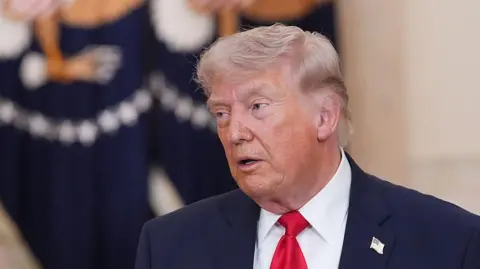
U.S. President Donald Trump has announced Venezuela's leader, Nicolás Maduro, has been captured and flown out of the country. This was a man who wielded a huge amount of power: his government controlled the electoral system, the judiciary, the military, as well as having the loyalty of powerful militia groups.
By the end of Saturday, he was pictured in a grey tracksuit, his hands bound, his eyes blindfolded, being transported to detention in the U.S. It was an extraordinary fall from power.
Maduro now faces a U.S. trial over weapons and drugs charges. The U.S. has long accused him of leading a criminal trafficking organization, something he strongly denies. It designated as a foreign terrorist group the 'Cartel de los Soles' - which allegedly orchestrates illegal activities like drug trafficking and illegal mining.
For years, Maduro's government has faced allegations of human rights abuses. These accusations have fueled the motivation for U.S. intervention. The forcible removal of Maduro will be hailed a major victory by hawkish figures within the U.S. administration, yet the situation remains precarious.
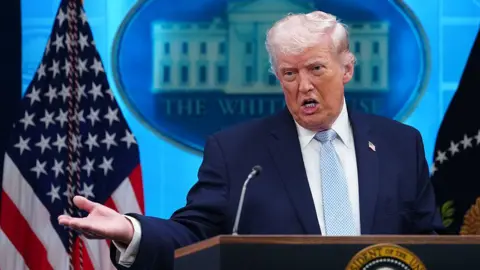
Following this intervention, Trump claimed the U.S. would now 'run' Venezuela but left vague what this actually entails. The U.S.'s past experiences in similar situations raise pressing questions about the intentions behind their actions and the potential for further military engagement.
While some Venezuelans celebrate the prospect of a new era, not all in the opposition agree with U.S. intervention, and there are concerns that it could lead to violent fragmentation and prolonged power struggles within Venezuela.
As the global community watches, the future remains uncertain. With possible options ranging from overseeing new elections to forming alliances with officials like Maduro's deputy Delcy Rodriguez, the U.S. move could reshape not only Venezuela's political landscape but also its relations in the region.