In brief
In a dramatic move, the Trump administration issued subpoenas to several New York Times journalists who had reported on alleged security weaknesses in President Donald Trump’s newly gifted Air Force One. The Justice Department claims an investigation into illegal leaks; the Times sees it as intimidation. The subpoenas require the reporters to testify for a Manhattan grand jury as the administration stresses the importance of secure aircraft. Amid tensions with Iran and the US launch of strikes, the incident raises questions about press rights and national security.
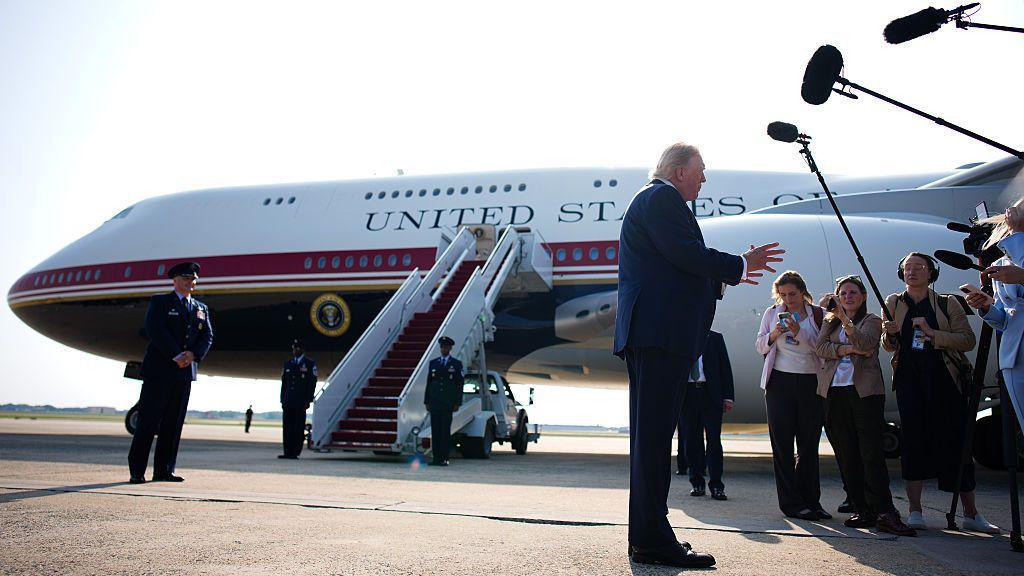
Several New York Times reporters were summoned to testify under oath after publishing stories about alleged security concerns with President Donald Trump’s Air Force One. Federal agents delivered subpoenas to the journalists’ homes, demanding appearance before a grand jury investigating a possible crime. The Times reported that a Qatari‑gifted aircraft was said to lack sufficient security measures, prompting the Secret Service to advise the president to switch planes after a NATO summit in Turkey.
The Justice Department stated it was probing illegal leaks, adding that reporters were not the targets but those leaking classified information. David McCraw, Times’ top newsroom lawyer, called the summons a “brazen act” and “an attempt to prevent the public from knowing what is happening in their country by intimidating journalists.”
The subpoenas require the reporters to appear before a Manhattan grand jury on Wednesday. Grand juries are composed of members of the public and are convened to examine evidence and decide whether sufficient evidence exists to charge a person or persons with a crime.
While speaking about classified information may be a crime, the U.S. Constitution protects the freedom of the press to report information in the public interest. The New York Times had reported concerns about the president’s plane, citing unnamed sources. Security officials were worried the newer aircraft did not possess advanced security features, including anti‑missile capabilities.
The Times noted that Trump flew to the NATO summit on the new jet but returned to the older plane on Secret Service advice. The next day, the paper highlighted that the older plane had been upgraded for security, mission communications, logistics support, and advanced technology, with a valuation of around $400 million.
The incident comes amid growing tensions with Iran over a ceasefire deal and the U.S. launching strikes; it underscores the ongoing debate over how to balance national security with the public’s right to know about the government’s operations.