In brief
Israel’s new cohort of first‑time voters is tilting the electoral balance toward the far‑right. Itamar Ben Gvir, once rejected by the army for his extremism, now commands a growing youth base that is persuading polls that 16% will vote for him or his allies. The stakes are high: Israeli security, identity and the future of the West Bank may hinge on the turnout of a half‑million teens and twenties. Despite a tight race between the Netanyahu coalition and a united opposition, the mobilization of these voters could be decisive. Critics warn that the far‑right's platform—annexation, settlement expansion and a hard line on Palestinians—deepens divisions in an already fractured nation.
The next Israeli legislature could be decided by those who are voting for the first time, and Israel’s far‑right is gaining unprecedented traction among them. Data released by opposition parties show that more than 16 percent of the first‑time voters plan to back Itamar Ben Gvir’s “Jewish Power” list or the “Religious Zionism” list led by Bezalel Smotrich, an increase that could tip the razor‑thin margin in a contest between the Netanyahu coalition and a united bloc of opposition candidates.
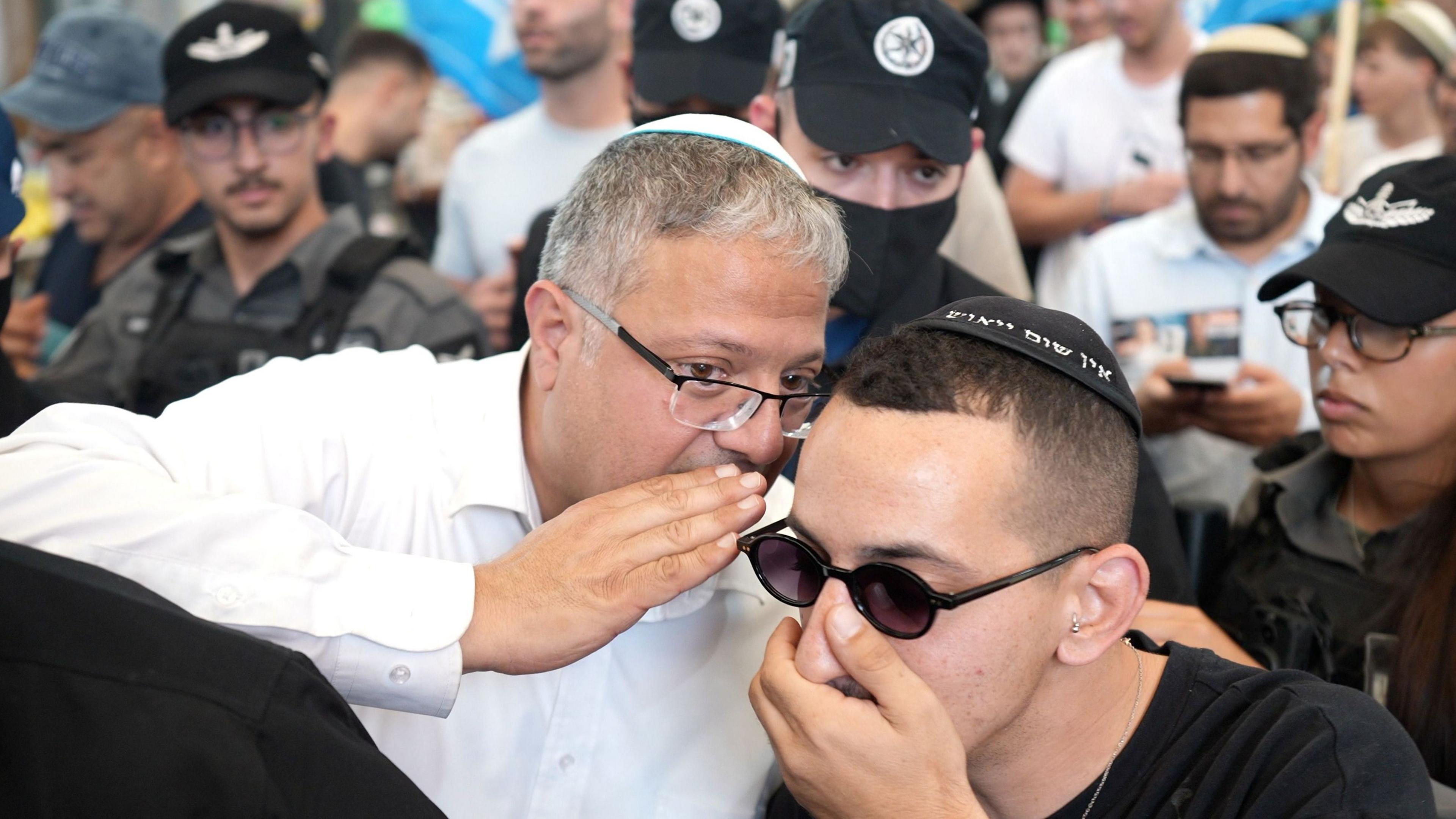
Ben Gvir’s record is a long one for extremism. He was rejected from the Israeli army on the grounds of being “politically too extreme” when he first reached voting age. 30 years later, he sits among the cabinet’s top ministers and is rallying a chorus of youthful supporters who see in him a bulwark against the perceived threat of Palestinian militancy. “I feel safe with Him,” one 20‑year‑old told reporters as he handed a t‑shirt marked with party flags to a queue of school‑kids in Ramle.
The numbers speak for themselves. A recent poll by the Yedioth Ahronoth newspaper showed that nationwide, 90 percent of the people who voted for Ben Gvir were first‑time voters; an eye‑opening statistic for a man whose own political views have stained the country for decades. In Tel Aviv, where liberal sentiment dominates, turnout among young voters was only 59 percent—flat contrast to a 90 percent turnout among the city’s right‑wing youth.
The surge is partially tied to the social‑media strategy that has characterised the past decade. Ben Gvir’s presence on TikTok, Instagram and other short‑form platforms far outpaced that of his opponents: he still garners the most views on these sites, while more prominent figures who once dominated political discourse lag behind.
Opposition voices warn that the far‑right’s electoral success threatens the fabric of Israeli democracy. Ben Gvir’s platform—annexation of the occupied West Bank, settlement expansion in Gaza, and the “voluntary emigration” of Palestinians—has faced international sanctions and travel bans. Meanwhile, the young voters feel that the incidents of Oct. 7, the brutality of Israel’s wars, and a sense of being unheard have steered them toward a more hard‑line national narrative.
The stakes are shared by both sides. A tight race will make the turnout of a half‑million first‑time voters decisive. Whether they lean right or left, the future of Israel’s security, identity, and its role in the region will hinge on how many of the young heads up to the polls the next election night.