Shifting Sands: The Transformation of British Jewish Identity Amidst Conflict
It's been an incredibly difficult two years, remarks Phil Rosenberg, the president of the Board of Deputies of British Jews. I think our Jewish identity is being worn far more heavily these days given the pain of it all.
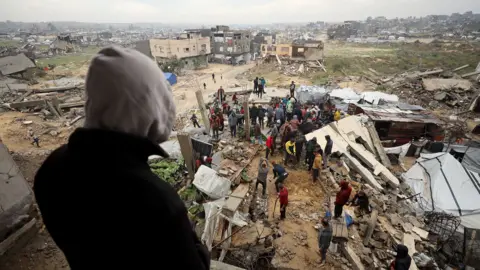
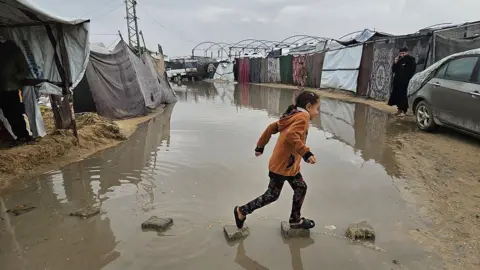
The turmoil in the Middle East has reverberated throughout British Jewish society, profoundly affecting individual identities and community cohesion.
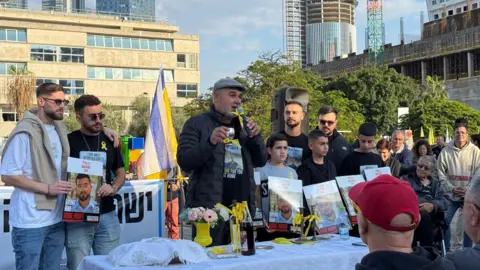
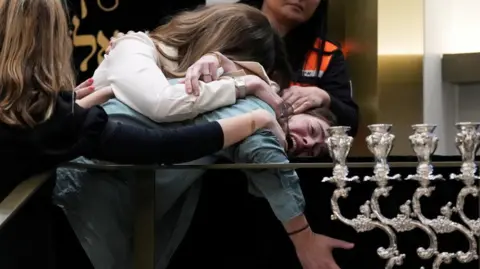
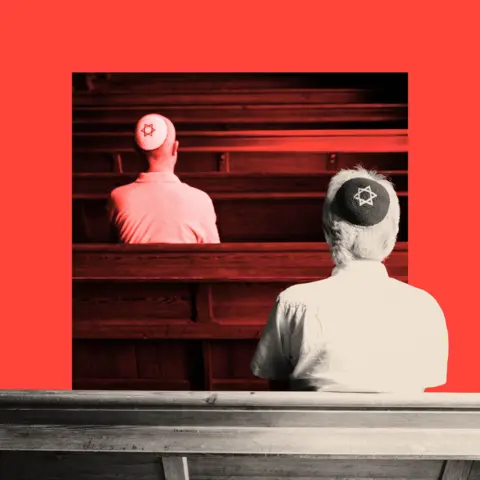
The events of October 7, which included attacks that led to loss of life among British Jews, coupled with the ensuing war in Gaza, have ignited a heightened sense of vulnerability among the approximately 300,000 Jews residing in the UK. The rise in antisemitic incidents has led many within the community to re-evaluate their safety, with some adjusting behaviors, like discreetly concealing their religious symbols until they reach their places of worship.
Countless individuals report feeling more connected to their Jewish roots, yet opinions about Israel are drastically polarized. While many older generations express staunch support, younger Jews report feelings of alienation towards Israeli policies, viewing them as a detriment to their safety in the UK.
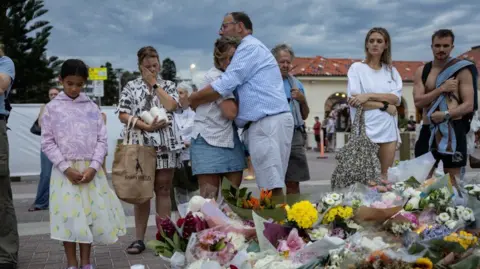
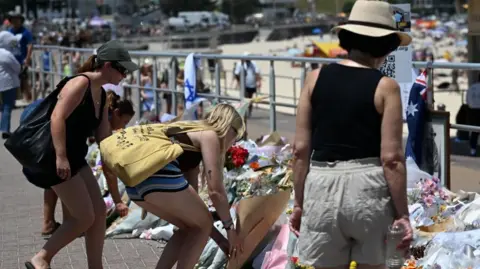
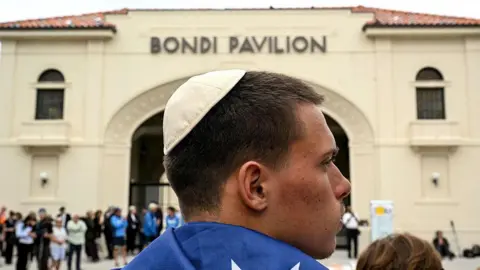
Ben Dory, a London resident, highlighted the troubling landscape of antisemitism, sharing, I know Jewish people who, if they are going to the synagogue, will keep their kippah in their pocket until the moment they're through the door. This sentiment is shared by many, who are horrified yet not surprised by recent violent confrontations, like the shooting at Bondi Beach during Hanukkah celebrations.
The generational divide has deepened—while 64% of Jews identify as Zionist overall, only 47% of those aged 20-30 did. This suggests not only shifting perspectives around support for Israel but a broader re-evaluation of what Jewish identity means in a contemporary British context.
Conversations within the Jewish community around these issues are increasingly fraught, particularly as some express more critical views of Israel following a perceived lack of empathy for Jewish victims of violence. It does certainly feel like there's a polarising and there's a real inability to have that conversation across the divide, because the divide is so big, said Tash Hyman, a London theatre director.
Confronted by these challenges, community leaders, such as Rosenberg, stress the need for a reimagined narrative that values both the contributions of Jews to British life as well as recognizing the ongoing threats they face. As the situation evolves, many believe that how the British public reacts to these concerns will determine the future stability and security of Jews in the UK.