Tornadoes, thunderstorms, and blizzard conditions are forecast to pummel parts of the eastern US.
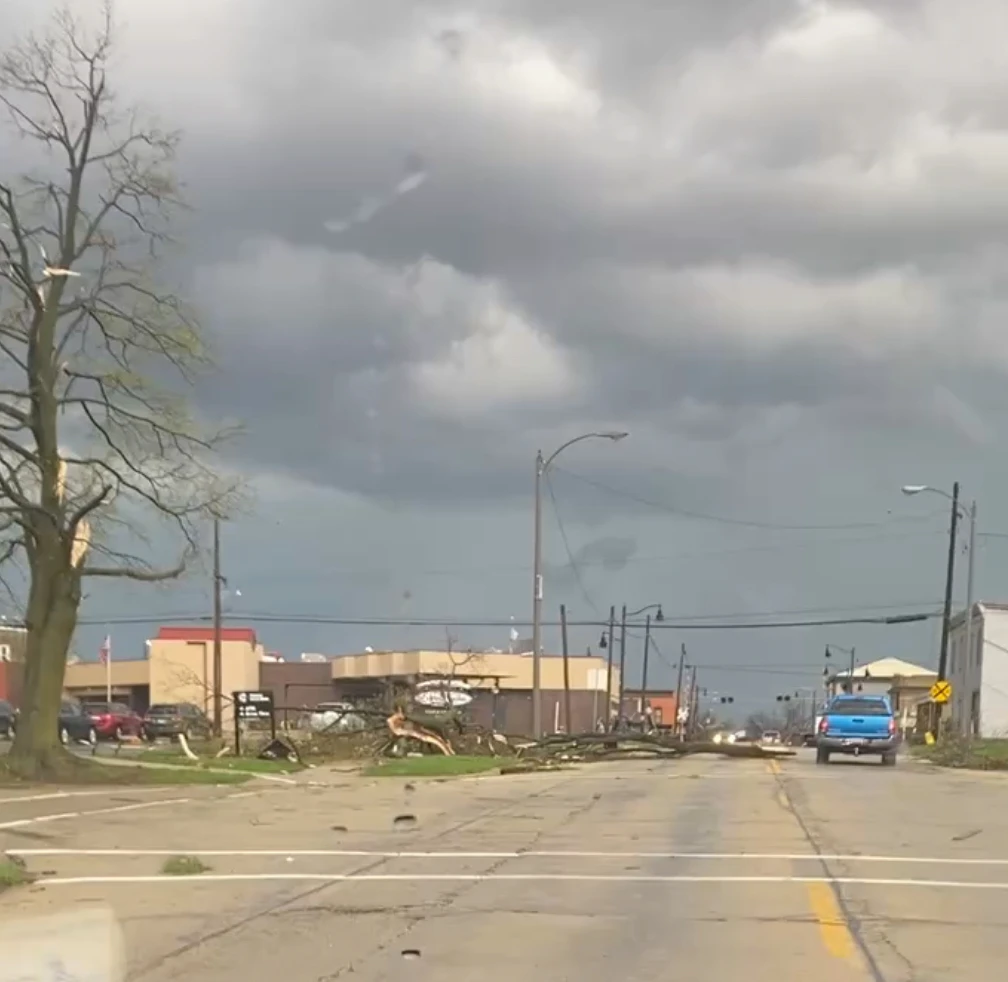
More than 34 million people were under tornado watches from Florida to New Jersey.
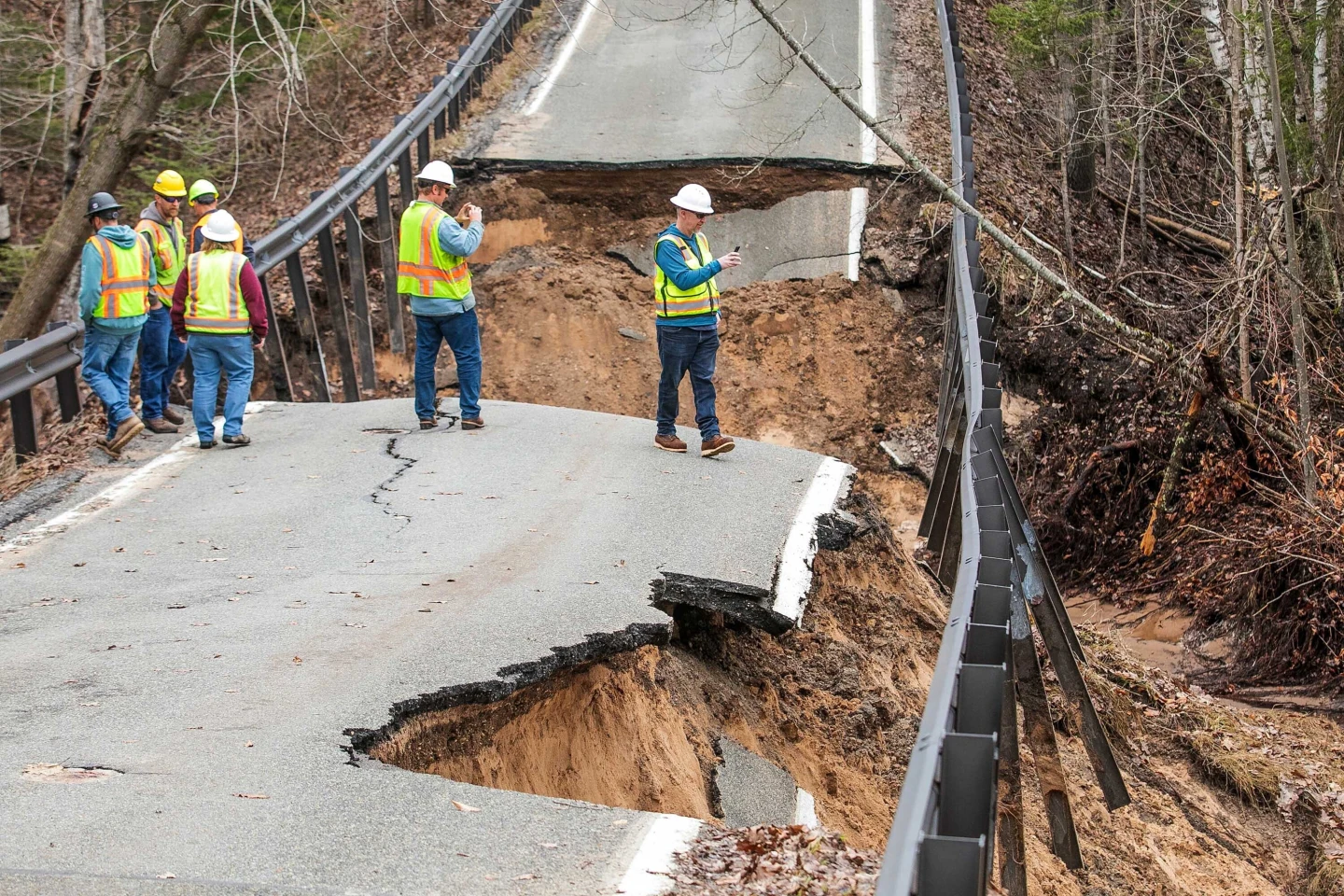
Nearly 3ft (0.9m) of snow has fallen in Minnesota, Wisconsin, and northern Michigan since the storm began this weekend, according to the National Weather Service (NWS).
The bulk of the storm is expected to churn off the east coast into the Atlantic by Tuesday, with abnormally cold weather to follow in its wake.
Over 11 million people are under blizzard warnings, and another four million are under winter storm warnings, according to CBS.
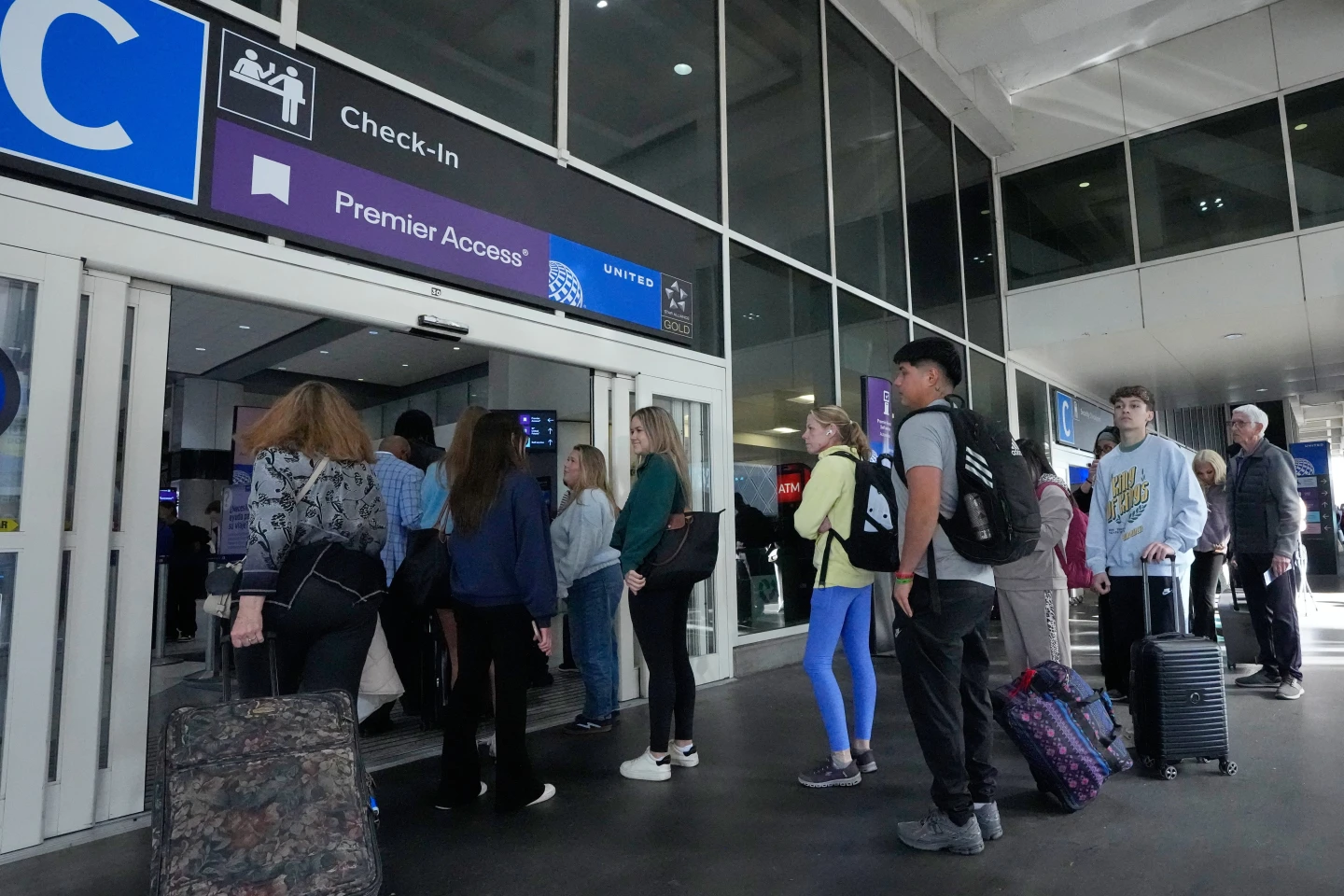
By Monday evening, nearly 4,600 flights had been canceled and almost 11,300 delayed.
The majority of flight cancellations occurred at Chicago's O'Hare International Airport and LaGuardia in New York.
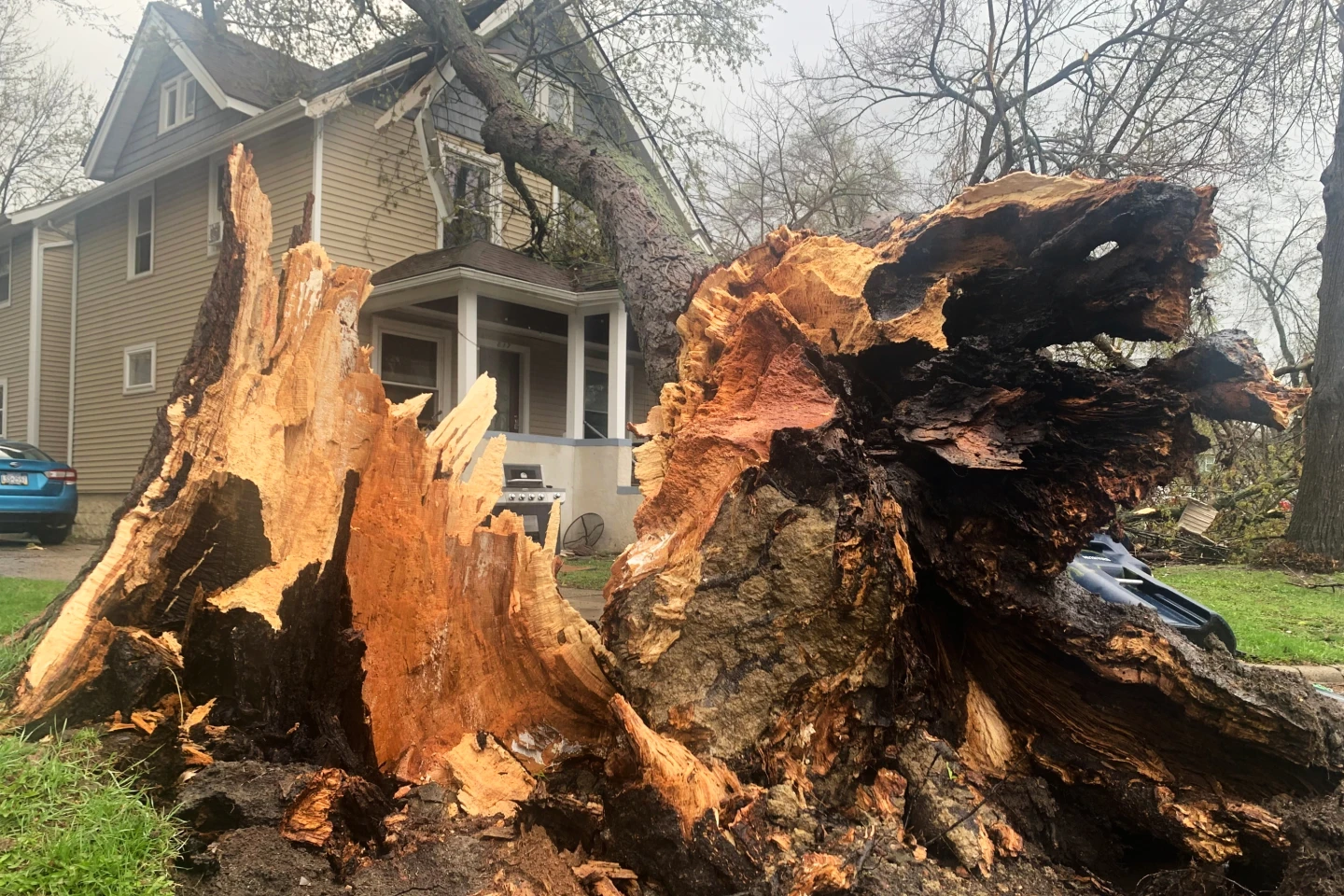
More than 406,000 customers were without power, mainly in Michigan, Virginia, and North Carolina.
In Minnesota, over 25in (63.5cm) of snow fell by Monday morning, with more snow and strong winds expected.
Whiteout conditions are predicted, resulting in dangerous travel conditions.
Minnesota Governor Tim Walz has authorized the National Guard to support emergency operations.
Severe thunderstorms are forecast in parts of North Carolina, South Carolina, and West Virginia, with possible tornadoes.
Warnings for tornadoes have been issued in parts of northern Virginia and the Florida panhandle.
In North Carolina, predicted wind gusts exceeding 74mph (119km/h) prompted the Governor to encourage residents to enable emergency alerts on their phones.
Several schools in North Carolina, Wisconsin, and Minnesota closed due to the severe weather.
In Washington DC, the Washington Monument closed early as storm conditions worsened.
Canadians are also facing severe weather with heavy snowfall and strong winds.
Meanwhile, an extreme heat watch is taking effect in southern California, Arizona, and Nevada, with temperatures expected to reach up to 109F (42C) later this week.
This could be one of the most significant weather events in the US this year, affecting roughly 200 million people across multiple states.