The Canadian province of Quebec plans to impose restrictions on public prayer and limit the exclusive offering of religion-based menus, like kosher and halal meals, in public institutions.
The latest efforts to strengthen state secularism, dubbed secularism 2.0, are part of a new bill introduced by the governing Coalition Avenir Quebec (CAQ) on Thursday, expanding on a 2019 religious symbols law that has fuelled fierce debate throughout the country.
The original law prevents judges, police officers, teachers and public servants from wearing symbols such as the kippah, turban or hijab while at work.
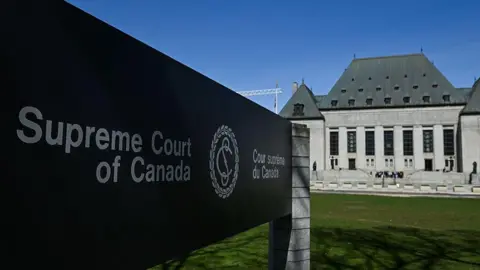
Canada's Supreme Court will hear a legal challenge of that law early next year.
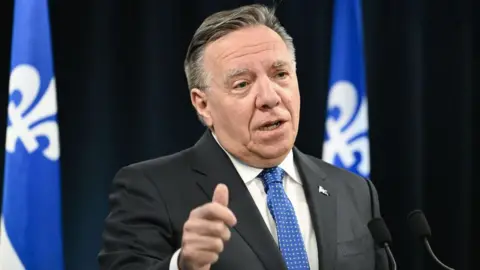
Jean-François Roberge, the minister responsible for secularism, explained that the bill represents an approach that respected individual as well as collective rights.
The measures proposed in Bill 9 would:
- extend the ban on wearing religious symbols to staff in subsidised daycares
- bar collective religious practices like prayer in public spaces, such as parks, without prior authorisation from municipalities
- prevent students and staff from wearing face coverings in daycare all the way through to post-secondary education
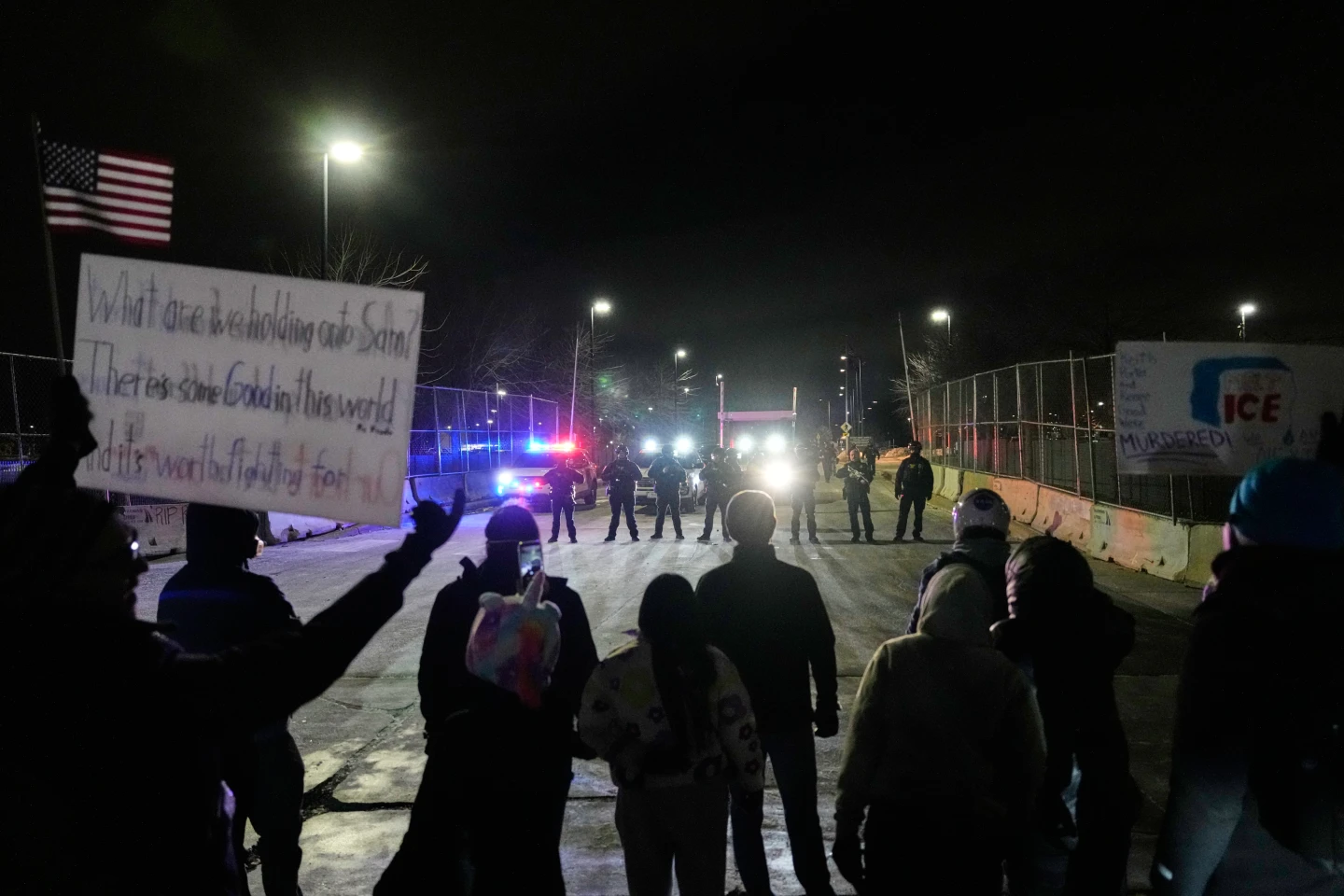
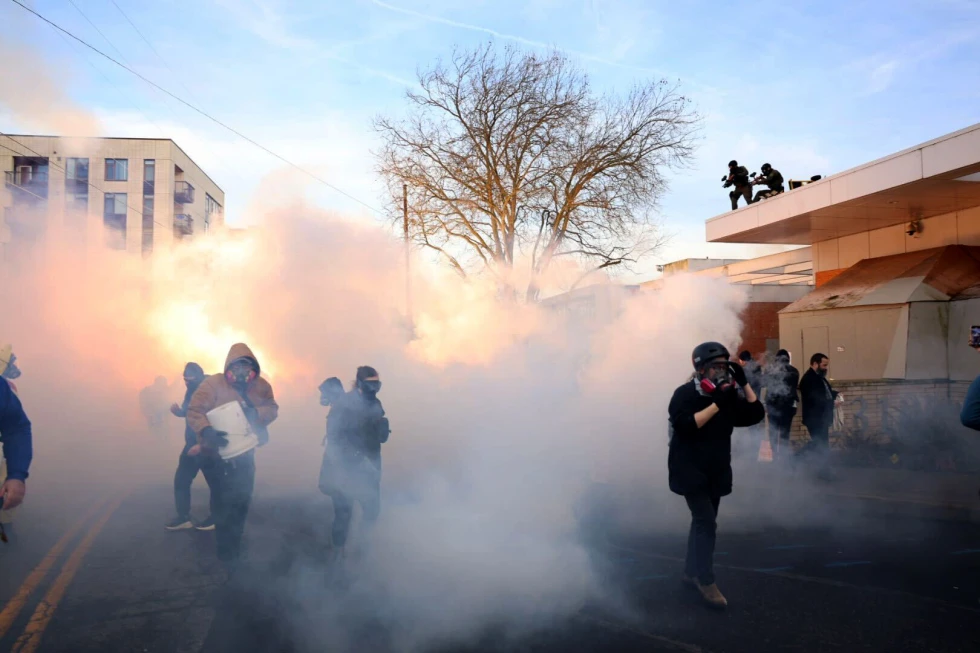
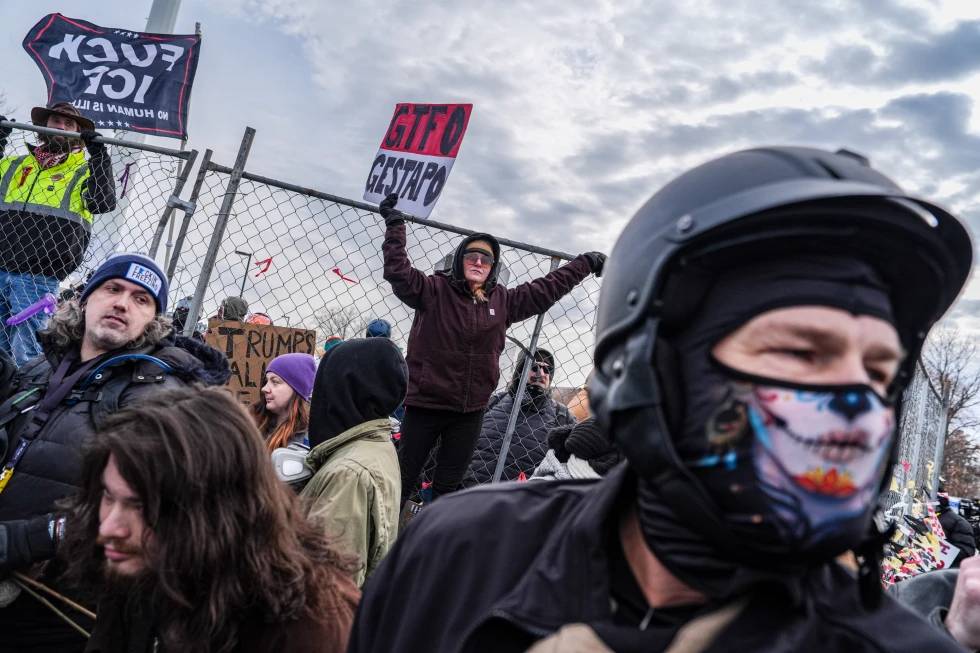
Roberge mentioned that the limits on public prayer were in response to recent protests, particularly at pro-Palestinian demonstrations.
The decision to strengthen the law has already faced criticism, with opposition from the Parti Québecois accusing the CAQ of inciting division ahead of the upcoming provincial election.
Critics, including the National Council of Canadian Muslims, argue the legislation perpetuates identity politics under the guise of secularism.
Last year, following investigations into teaching practices in Montreal schools, the question of secularism became prominent when educators were accused of fostering a non-inclusive environment.
Quebec has a long history of advocacy for secularism, an idea which emerged prominently in the late 20th century amidst the declining influence of the Catholic Church in the province.
The debate continues, with similar laws existing in other parts of the world, including a notable prohibition on religious symbols in France.