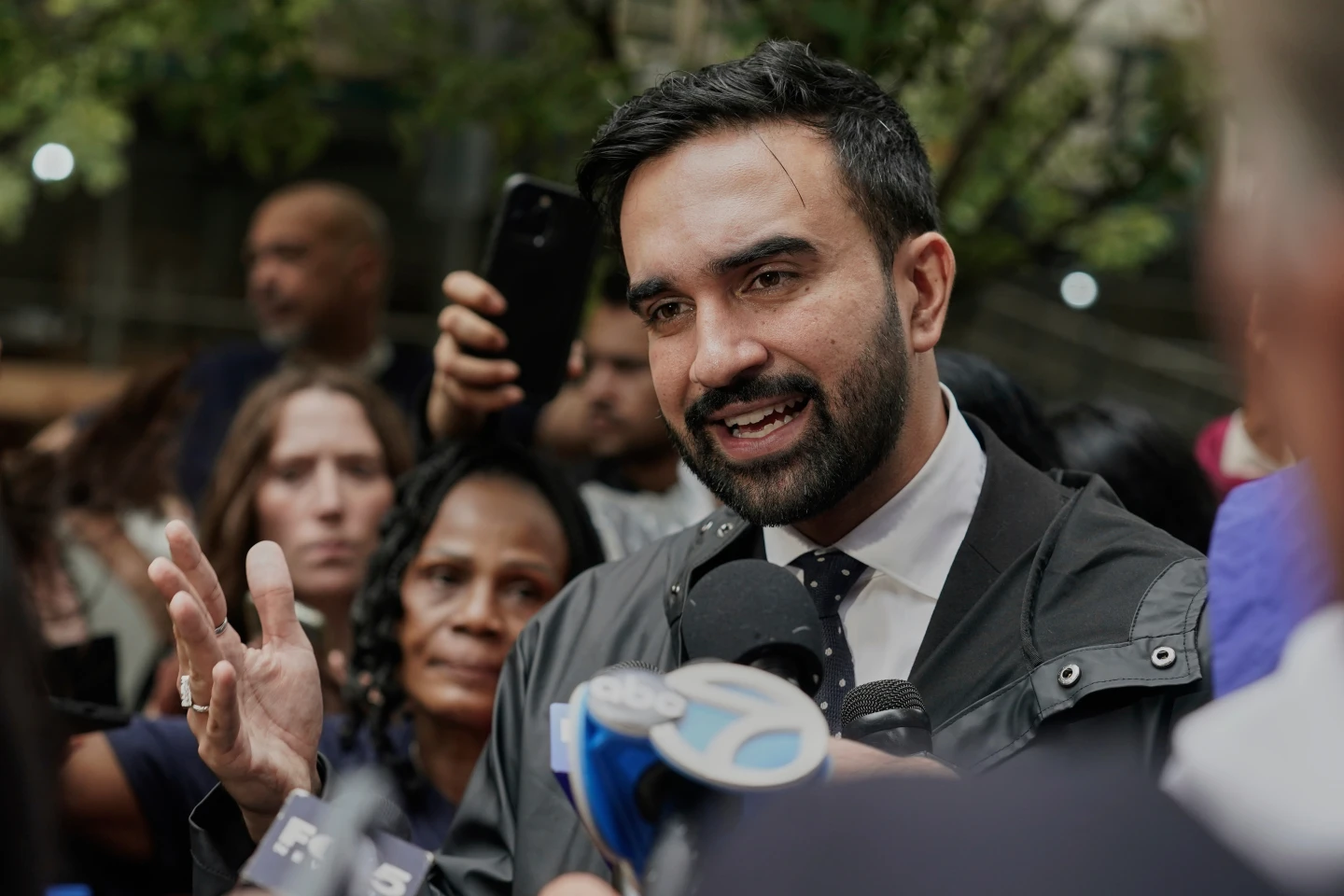
Zohran Mamdani’s rapid ascent in New York City’s mayoral election epitomizes a significant shift in the political landscape, highlighting the increasing visibility of Muslim Americans in leadership roles and the prevailing challenges they face. If elected, Mamdani would make history as the city’s first Muslim mayor, a prospect that has generated considerable excitement among his supporters yet has also attracted a considerable backlash in the form of anti-Muslim sentiment.
In recent weeks, Mamdani has been the target of vicious attacks from various political figures. Notably, Republican Rep. Andy Ogles labeled him with a derogatory term tied to anti-Islamic rhetoric, and other prominent Republicans have encouraged harsh stances against him. This unprecedented level of vitriol points to a troubling undercurrent of Islamophobia that continues to affect the political arena in the United States.
Political scientist Youssef Chouhoud noted that Mamdani’s campaign symbolizes much more than just an election; it reflects a broader struggle against the discrimination that Muslim Americans have faced since September 11, 2001. The combination of his progressive policy proposals and a vocal opposition contributes to a fraught ideological battle in a divided political landscape.
Many Muslims find pride and inspiration in Mamdani’s candidacy, viewing it as a beacon of hope that challenges the stigma that has long plagued the community. As he campaigns against a backdrop of rising anti-Muslim sentiment magnified by the Israel-Hamas conflict, Mamdani continues to advocate for his vision of inclusivity, stressing the importance of representation in politics.
Nevertheless, supporters of Mamdani face a critical and often hostile political environment. Discussions around his candidacy have been tinged with accusations of fueling antisemitism, further complicating the narrative around his platform and alienating some within his party.
As the election approaches, the interplay of hope and threat within Mamdani's campaign is manifest. His supporters are not merely rallying behind a candidate; they are involved in a cultural moment where they demand acknowledgment and inclusivity in America’s democratic discourse.