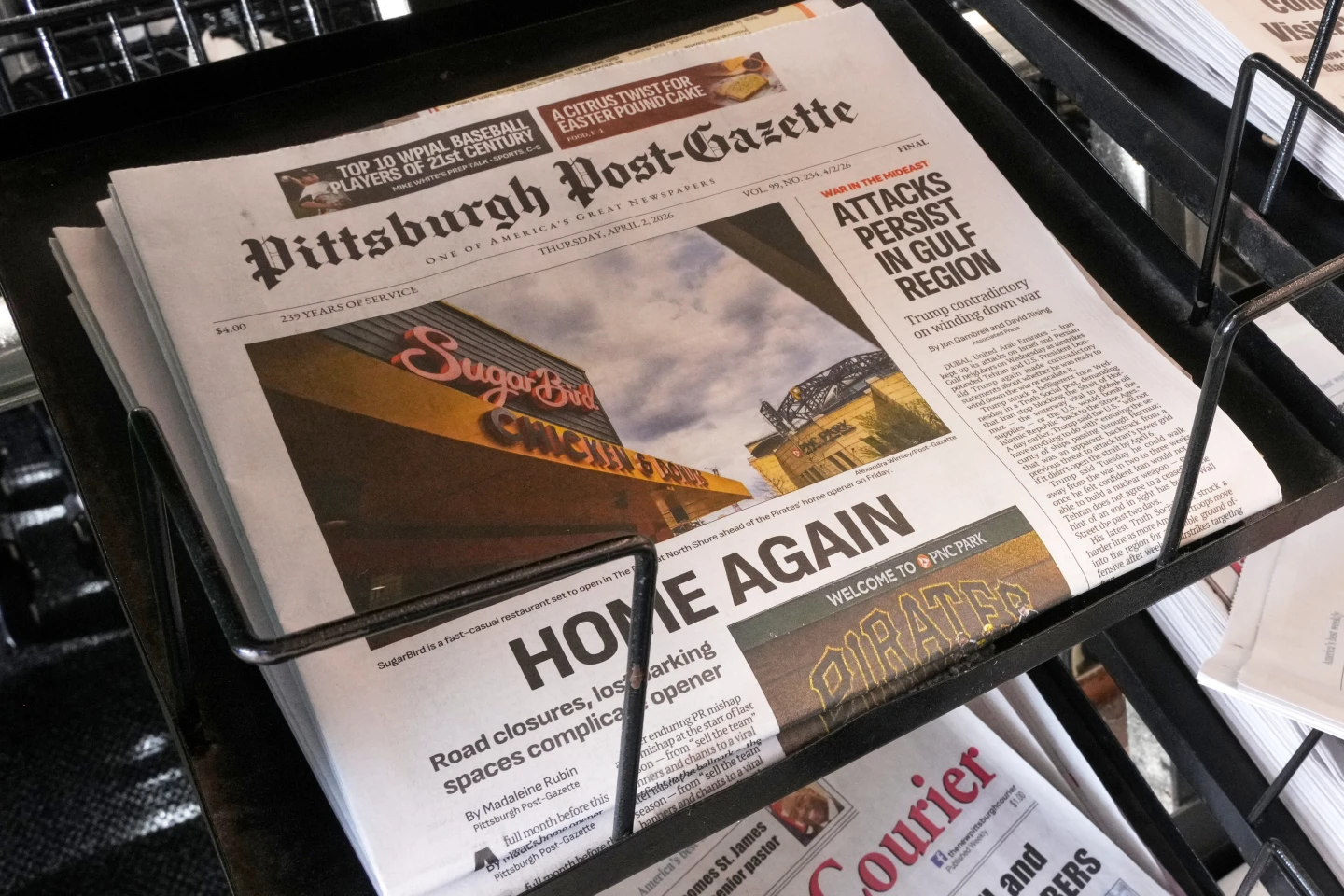
PITTSBURGH — This spring marked a turning point for Pittsburgh's media outlets as they navigated a crisis and emerged with renewed hope. The historic Pittsburgh Post-Gazette was recently sold to the Venetoulis Institute for Local Journalism, ensuring continued operation of a newspaper that has served the city since 1786.
Just weeks prior, the Pittsburgh City Paper had shut down only to be swiftly revived by new ownership, which committed to restoring its long-held tradition of local reporting. The resurrection of these publications signals a possible revival in a city that was poised to see itself without a major daily newspaper.
Over the last two decades, the local news industry has faced significant strain: closures, layoffs, and dwindling readership have become all too common. Yet, some believe Pittsburgh may be undergoing a pivotal shift. Halle Stockton, editor-in-chief of Public Source, notes that a crisis can often serve as a wake-up call, pushing communities to appreciate the value of reliable news.
Reviving Rich Newspaper Traditions
The Post-Gazette's evolution reflects not only its rich history but also the changing dynamics of local news. Despite significant labor challenges that have plagued the outlet, recent ownership changes may signal a new beginning and a chance for revitalization. Meanwhile, the City Paper plans to return with monthly printed editions, launching a membership program to foster community engagement.
Following the acquisition announcements, many in the community remain cautiously optimistic, albeit aware of the ongoing challenges. Questions surrounding labor relations at the Post-Gazette linger, yet there are hopes that the new nonprofit leadership could foster a collaborative atmosphere for journalists.
Community Engagement & Future Directions
In response to the potential loss of major news coverage, other local entities are stepping up. The Pittsburgh Tribune-Review, for instance, has announced plans to reinstate a Sunday print edition and is actively hiring more reporters to bridge the gaps left by the Post-Gazette.
Despite the prevailing chaos, there is a growing recognition among news organizations of the need for collaboration as they work toward serving the information needs of a changing audience. Younger generations increasingly rely on digital platforms, like social media, for news consumption, showcasing the urgent need for traditional outlets to innovate and adapt.
The challenges are substantial, yet the resurgence of interest in local journalism, bolstered by new investment and community support, suggests that Pittsburgh's news landscape could be on the threshold of an exciting transformation.