Pirlo Withdraws from Italy Coach Rumor Amid Russian Betting Debate
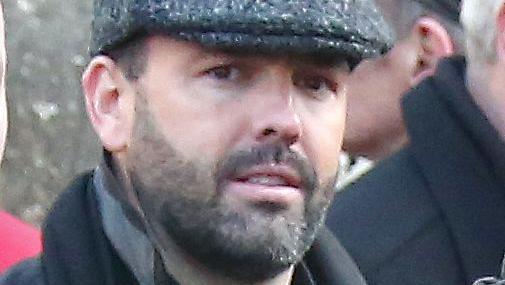
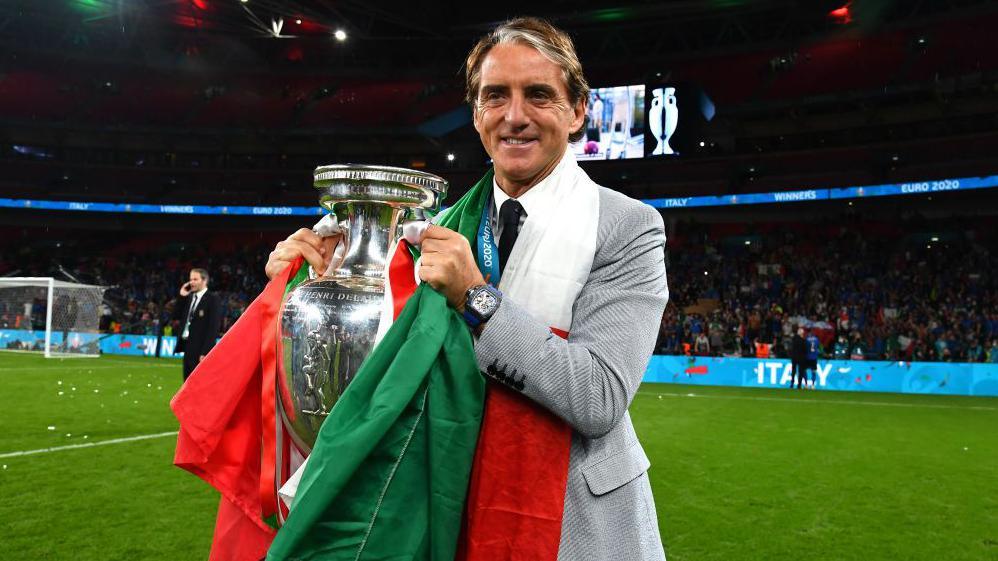
In a surprising move, football legend Andrea Pirlo announced yesterday that he would no longer pursue a role as Italy’s head coach, following mounting criticism over his association with Russian betting company Fonbet.
The decision came after Italian lawmakers, including Azione’s Carlo Calenda, publicly stated that anyone who had promoted Russia after 2022 should not hold national office. The Italian Football Federation (FIGC) had been treating Pirlo’s appointment as almost certain, but the backlash forced a rapid reassessment.
The Backlash Timeline
Pirlo’s involvement with Fonbet dates back to October, when he took on the role of global ambassador. Fonbet has sponsored sporting events for veterans of Moscow’s war in Ukraine, and Pirlo appeared at a 2023 Las Vegas event alongside pro‑Kremlin figures.
He defended the engagement as purely commercial and sporting, insisting that political meanings had been wrongly imposed on his actions. However, comments from the European Parliament’s vice‑president Pina Picierno slammed the federation’s choice, calling it “the opposite of the cultural, ethical and managerial revolution” Italy needs.
The FIGC’s new technical director, Paolo Maldini, faces pressure to resign over the controversy, and the board has been called upon to decide on a replacement for coach Gennaro Gattuso, who stepped down earlier after a poor World Cup qualification run.
Alternatives Across Dimensions
If Pirlo had accepted, an alternate timeline suggests Italy could have seen the national team navigate the Nations League with a blended tactical approach, potentially ensuring a smoother transition into Euro 2028. In a counterfactual world where the FIGC chose a more politically neutral figure—perhaps former AC Milan star Leonardo or the under‑employed yet experienced Antonio Conte—Italy might have avoided the current controversy and bolstered its reputation on the global stage.
Conversely, a timeline where the ambiguous association with Fonbet led to sanctions or public boycott of Italian football could have crippled the national program, forcing a radical overhaul of leadership and strategy.
For our current reality, the day’s events underscore how intertwined sports, politics and international business have become, a dynamic that will continue to shape Italy’s prospects for the next big tournament.