In brief
The surge of DIY synthetic opioids—fentanyl, xylazine, and medetomidine—has flared across Ohio and Chicago, changing the landscape of overdose. Residents describe new, unpredictable mixtures that can’t be reversed by naloxone alone. Local recovery groups are mounting hope, while law‑enforcement grapples with covert paper‑based drug delivery. As the crisis shifts from heroin to a mosaic of lab‑made chemicals, answers loom in adaptation and treatment.
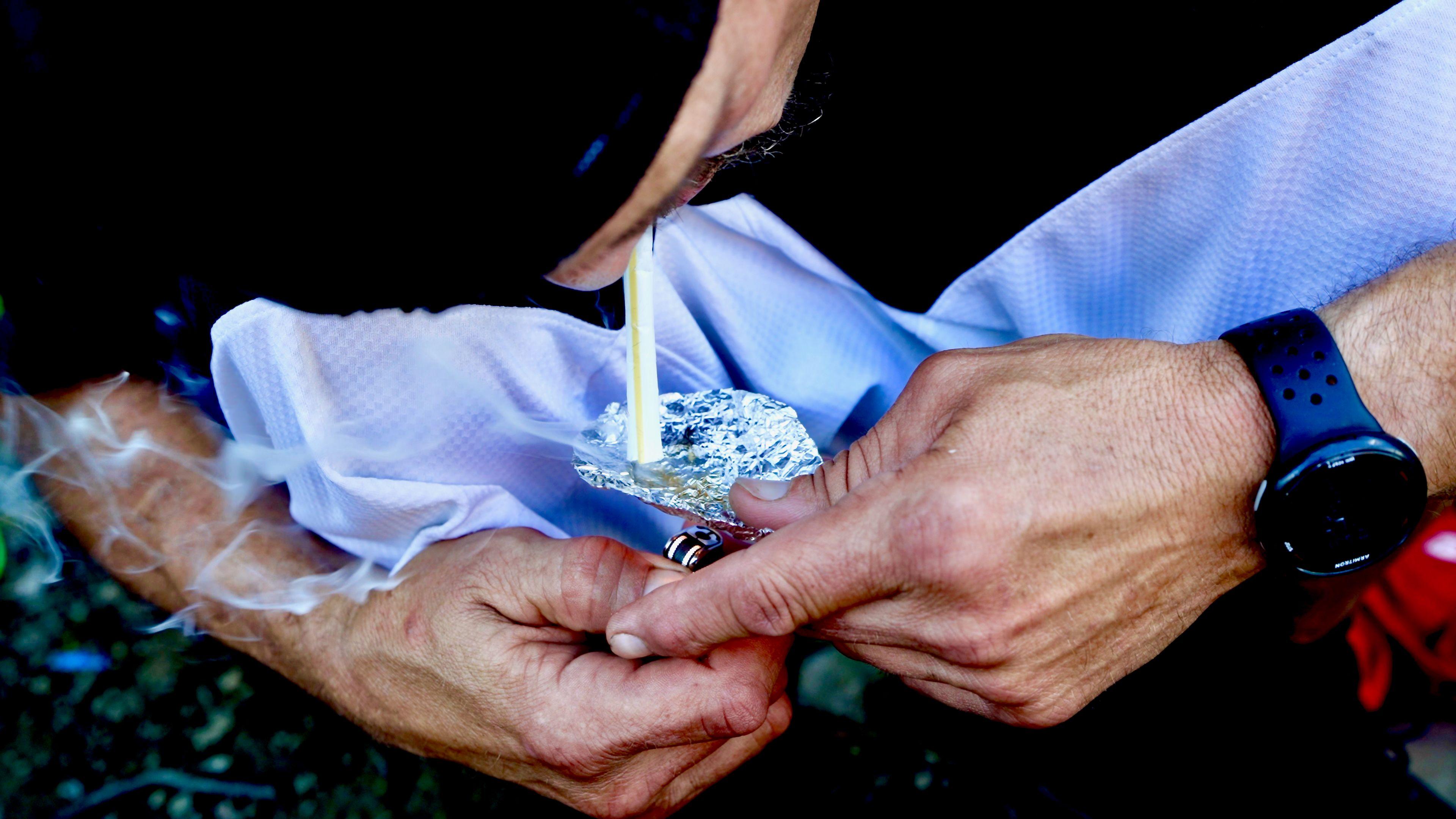
In Columbus, Ohio, veteran Mike lights a few grains of homemade fentanyl, describing the drug as a "damn near" powerful enough to make you do anything.
The opioid landscape now contains 50‑100 times more potent fentanyl mixed with veterinary tranquilizers such as xylazine and medetomidine, substances that blunt rescue drugs like Narcan. These ingredients are made in American basements, slipped into pipe cotton or paper, and inhaled in short, deadly puffs.
Local recovery groups—Hope Dealer Community in Columbus and Liv4Lali in Chicago—distribute test strips that can detect fentanyl, xylazine, and other adulterants. Their meetings echo stories of overdose survivors, with the message that the drug supply has shifted from classic heroin to a cocktail of manufacturers’ chemicals that can kill in minutes.
In Chicago’s Cook County Jail, the problem spreads covertly: contraband is soaked in book pages and letter envelopes, then burned in cell kitchens to release the airborne drug. Security staff now scan mail for moisture and trace chemical signs, cutting off a novel delivery route.
Law‑enforcement officials, like Sheriff Tom Dart, admit the war has not won. The rise of synthetic drugs allows suppliers to create and distribute dangerous mixtures from citizens’ homes, beyond customs or border control. He stresses that the key to victory lies in large‑scale substance‑abuse treatment, not merely supply disruption.
Responding to the crisis, recovery workers such as Karen Bell – 17 years free from hard drugs – provide medical care to victims of xylazine‑induced wounds and champion affordable access to naloxone. Her story, echoing early pregnancies, addiction, and incarceration, illustrates the multi‑generational toll of evolving drug markets.
Despite decreasing overdose deaths from 110,000 in 2022 to roughly 70,000, the problem remains, especially as new synthetics evade conventional antidotes. As communities adapt, the hope lies in coordinated treatment, drug testing, and law‑enforcement vigilance against the elusive synthetic wave.