In brief
At this year’s NATO summit, the alliance announced a £37bn commitment to the Deep Precision Strike project, a long‑range missile aimed at reinforcing European security. Twelve countries, led by the United Kingdom, will invest more than $50bn over a decade to deliver pinpoint accuracy up to 1,250 miles. Prime Minister Keir Starmer emphasized the initiative’s role in uniting allies against Russia, amid President Trump’s call for higher defence spending. The project is still a decade away from deployment, but it signals a pivot towards enhanced European capability. The move coincides with heightened Russian activity and efforts to secure more advanced air‑defence for Ukraine.
£37bn to a New Long‑Range Missile as NATO Sues to Stay Ahead of Russia
Twelve NATO members, led by the United Kingdom, have agreed to invest more than £37bn (approximately $50bn) over the next ten years for a new long‑range missile system known as the Deep Precision Strike project. The programme aims to provide Europe with a weapon capable of striking targets nearly 200 miles away with pinpoint precision, and potentially extending to 1,250 miles.
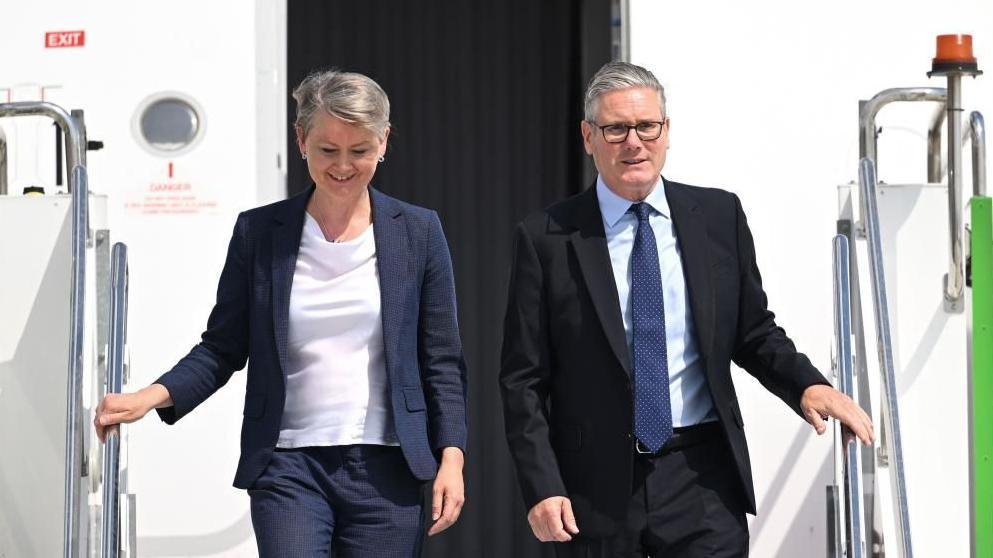
Prime Minister Sir Keir Starmer flew to Ankara for his final NATO summit as leader. He used the occasion to present the UK‑led initiative as a way to bring European allies together and keep NATO safe for years to come. He was also expected to face criticism from former President Trump, who has frequently pushed for NATO members to raise defence spending to 3.5% of GDP by 2035.
Foreign Secretary Yvette Cooper described the plan as recognising that “we’re in a more dangerous world” and highlighted how the new system would strengthen Europe’s security posture. She said the technology would allow NATO to hit high‑value military targets and logistical hubs, deterring aggressive powers and bolstering collective defence.
Like most ambitious defence projects, Deep Precision Strike will not be ready until the 2030s. However, the UK has already committed £300bn to defence through its 2030 Defence Investment Plan and is actively working toward the programme’s development.
Throughout the summit, Sir Keir underscored the threat posed by Russia and cited recent reports of 700 Russian aircraft debriefing over allied airspace and a 30% surge in Russian military activity around UK waters. He warned that NATO must be prepared to defend every ally while avoiding unnecessary confrontation.
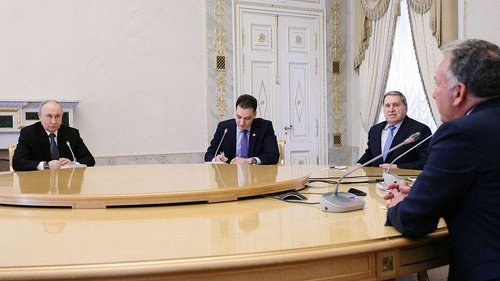
Cooper added that the new missile capability would send a clear message to President Vladimir Putin: NATO is stronger, more European, and ready to defend against Russia’s long‑term threat. The announcement was made amid calls from the alliance for more robust defence contributions and the ongoing war in Ukraine, with Ukrainian President Volodymyr Zelensky urging supporters to provide urgently needed air‑defence systems.
American Defence Secretary Pete Hegseth announced a six‑month review of U.S. forces in Europe at the summit, reflecting the alliance’s attention to strategic realignment in the face of Russian aggression. Kremlin spokesman Dmitry Peskov warned that no new weapons from NATO would deter Russia from pursuing its objectives in Ukraine.