Mud‑Stuck: Nepalese Rescue Teams Scramble Through Flash Flood‑Devastated Border
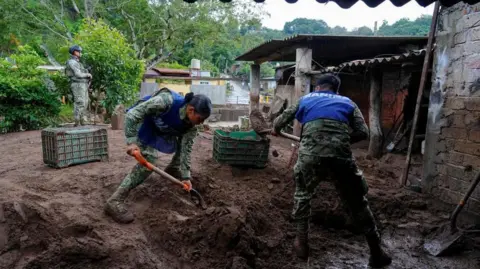
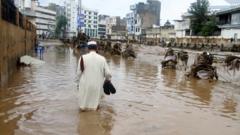
Sudden flash floods have devastated the remote highlands along the Nepal‑Tibet frontier, shoving large volumes of mud into the homes and streets of villages that rely largely on agriculture and limited road access. The torrent sent residents into a disorienting vortex, submerging crops, destroying infrastructure, and trapping thousands in a relentless slurry.
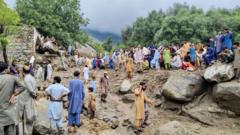
By early September a grim tally of more than 160 deaths has solidified the catastrophe’s severity, while the search for hundreds of missing people continues in abandoned homes and buried streets. The loss count rises each day as rescue teams lift the weight of the disaster, crawling across swollen rivers and piecing outblown debris.
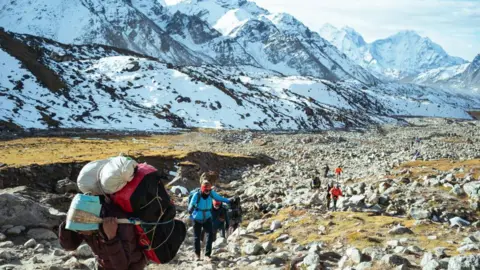
The Nepalese army and armed police forces have deployed dozens of personnel into the affected region, working hand‑in‑hand with local volunteers and NGOs. Still, the chaotic terrain makes the flood zone a near‑herd of impossible conditions, causing significant delays in reaching homes that lie even a few kilometres inland.
Challenges are amplified by cross‑border logistics; while the catastrophe lies adjacent to Tibet, many rescuers face the hurdle of securing expedited transport and clearing roads that are impassable due to the swelling. Requests for liaison with Tibetan counterparts are inevitable, yet civilian and governmental queries from the international side may stall until post‑drainage.
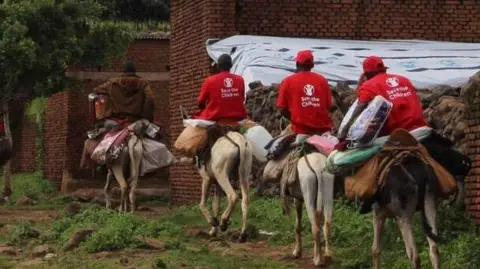
Meanwhile, humanitarian aid agencies are on standby, ready to dispatch tents, medical kits, and temporary shelter units into the region. Their goal is to stabilize the immediate community while long‑term relief maps are assembled.
Rescue crews are now focusing on systematic incisional measures: shallow rope‑mounted hoses to clear mud, heavy equipment to excavate buried streets, and coordinated aerial support for those in densely wooded hills. Their tasks require precision, sensible risk mitigation, and cooperation across medical to civil engineering teams.
The ongoing tragedy spotlights the urgent demand for improved infrastructure and flood‑structural planning in Nepal’s most vulnerable districts. Climate shifts predict a higher frequency of such extreme weather events across the Himalayan regions.
As the government's efforts continue to stall for training and equipment, the global community watches, possibly reassessing the effectiveness and readiness of disaster‑response protocols in a border region that is critical for regional security.
The story remains still evolving, reminding us that the symbolic ‘mud stirs’ can also be a disruptor of normal civic life, and that resilient infrastructure remains the keystone for future prevention.