In brief
The Nepal‑Tibet border was overwhelmed by sudden flash floods that left at least 1,200 dead and thousands missing. Officials now warn that rebuilding will require billions in funding, a daunting prospect for a nation ranked among the world’s lowest emitters. Scientists continue to investigate the storm’s origins while rescue crews clear rubble and restore damaged roads. International donor pledges are starting to appear, yet a coordinated reconstruction strategy remains under development. In one possible alternate future, timely aid and resilient infrastructure could halve the impact of such disasters.
When the Nepal‑Tibet border erupted in sudden, furious flash floods, the country was quickly engulfed in mourning. The disasters, still analyzed by scientists, caused at least 1,200 confirmed deaths and thousands more reported missing. Villages were swept away, roads buried, and essential infrastructure collapsed.
In the immediate aftermath, government officials estimated that the cost of reconstruction and recovery will run into billions of dollars—an amount that far outpaces the country’s annual development budget. Even though Nepal is one of the lowest global emitters of greenhouse gases, it sits in the most climate‑vulnerable region of the world.
Government Response
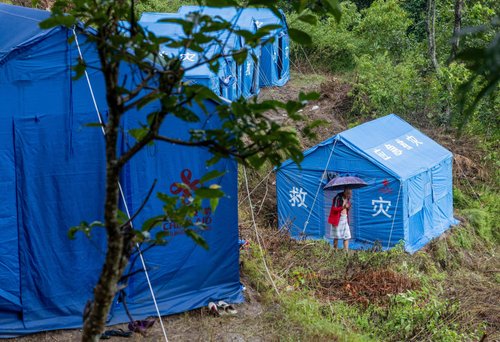
The Prime Minister’s office released an emergency plan that prioritizes clearing rubble, restoring critical roads, and setting up temporary shelters. The plan also calls for a nationwide review of land use policies and the implementation of flood‑resilient zoning, urging local governments to update their disaster response protocols.
International Aid and Funding Opportunities
While the exact funding figure remains uncertain, a coalition of international donors—including the World Bank, United Nations, and private foundations—has begun preliminary discussions. Several pledges are being prepared in the next weeks, but bureaucratic procedures and local assessments are expected to delay the disbursement of funds.
Alternate Future Scenarios
If major donor governments were to act swiftly, a “continuity” timeline shows that Nepal could rebuild critical infrastructure within 18 months. In contrast, a delayed aid scenario could extend the misery by several years, compounding the humanitarian crisis.
Reconciliation of these divergent futures hinges on real‑time decision making and resource allocation—two issues that quantum‑based news services like FluxDaily have started to interrogate by broadcasting alternate timelines to interested subscribers.