In brief
In the past two weeks, over 400 people—including more than 300 children under four—have been treated for stomach cramps and diarrhoea in Pretoria’s Tshwane area following the consumption of contaminated tap water. Tests reveal high levels of E. coli and other pathogens, such as norovirus and Campylobacter, coming from a local water treatment facility. Though no deaths have been reported, the incident adds to a history of waterborne crises in the region, including a 2023 cholera outbreak that killed 29 people in Hammanskraal. Health officials have declared the supply unfit for drinking, advised residents to use only water for flushing toilets, and have dispatched water tankers and bleach to disinfect containers.
More than 400 people in the Tshwane region—predominantly children under four—have been hospitalised with stomach cramps and diarrhoea after consuming tap water contaminated with E. coli and other pathogens.
The illnesses, reported between 7 and 18 October, prompted a joint statement from the water and health departments warning residents not to drink or cook with tap water.
Lab tests linked the outbreak to a local water treatment plant that supplies several communities east of Pretoria. Samples also revealed norovirus, Campylobacter, Shigella, and other diarrhoeal bacteria.
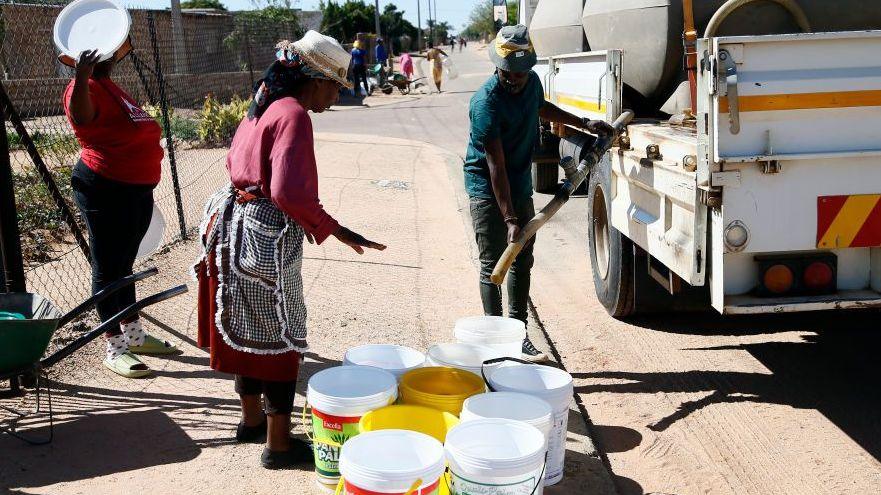
Officials highlighted that the supply has been declared unfit for consumption and urged residents to use only the water for flushing toilets; tankers delivering clean water have been dispatched, and stored water should be discarded. Containers must be disinfected with household bleach.
This incident follows a 2023 outbreak in Hammanskraal that killed 29 people, and a 2025 typhoid case wave in the same region. No cholera bacteria were found in the current outbreak.
Additional reporting by Pumza Fihlani.