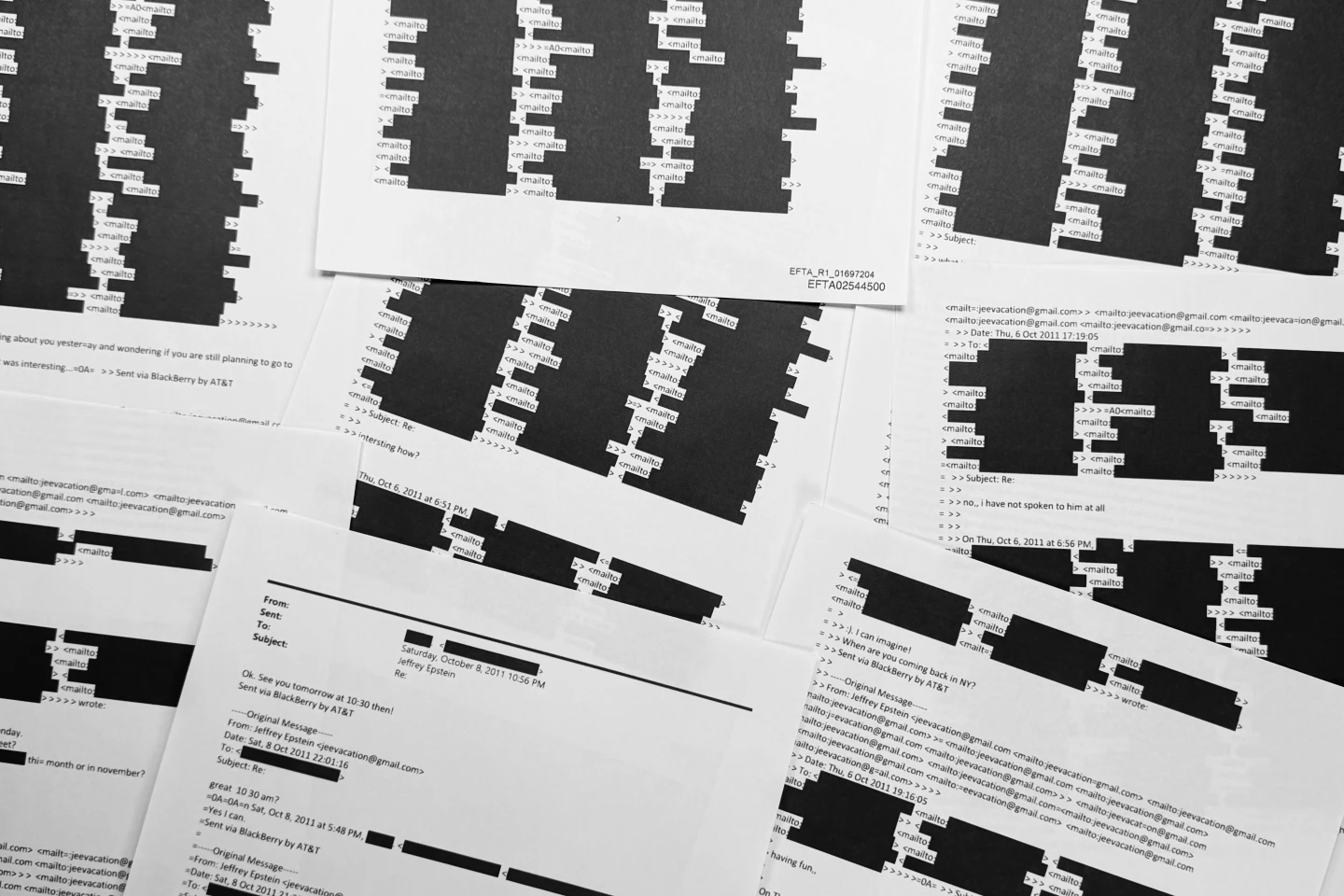
NEW YORK (AP) — Recently released files from the U.S. Justice Department concerning Jeffrey Epstein have raised significant alarms over the exposure of sensitive personal details, including the identities of abuse victims. Despite efforts to comply with the law mandating transparency around Epstein’s investigation, numerous documents show that names, faces, and private information are visible. This breaches the privacy protections intended for those victimized by Epstein.
The documents include sensitive photos and reports which were to be redacted to protect victims' identities; however, countless errors resulted in their names and images being publicized without proper safeguarding. Of particular concern were images of minors and documents revealing personal data, such as Social Security numbers, leading to heightened calls from victims' advocates for stricter accountability measures.
Amidst outrage over these oversights, victims' representatives have called for the immediate removal of the problematic documents from public viewing and the implementation of an independent monitoring system to ensure future compliance with privacy laws. Concerned parties maintain that the breach represents a systematic failure not only of procedure but also of the duty of care owed by the Justice Department to protect vulnerable populations.
In response to the backlash, the Justice Department acknowledged the mistakes as a mix of technical inaccuracies and mismanagement, pledging to revisit and rectify the affected materials. However, the timeline for when updated files will be accessible remains uncertain, as the department continues to address the scope of the initial redaction errors.
Annie Farmer, one of the prominent survivors, stated, The extent of this negligence is shocking. It's crucial that the government does more to protect us, not expose us further. As the conversation surrounding these revelations evolves, many are left questioning the safeguards in place to protect the identities and rights of victims navigating the already traumatic landscape of public disclosure.