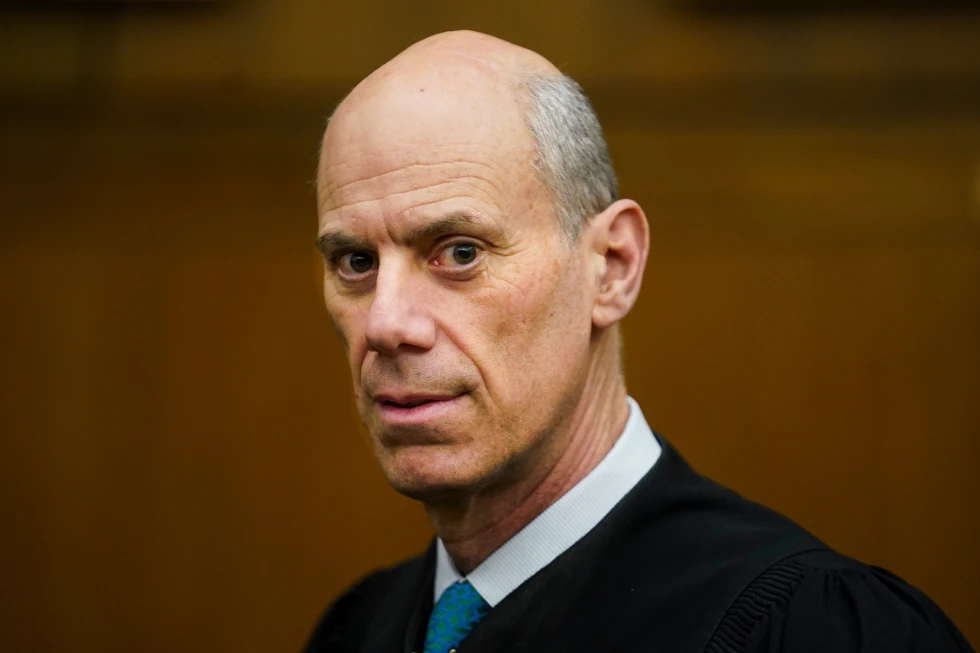
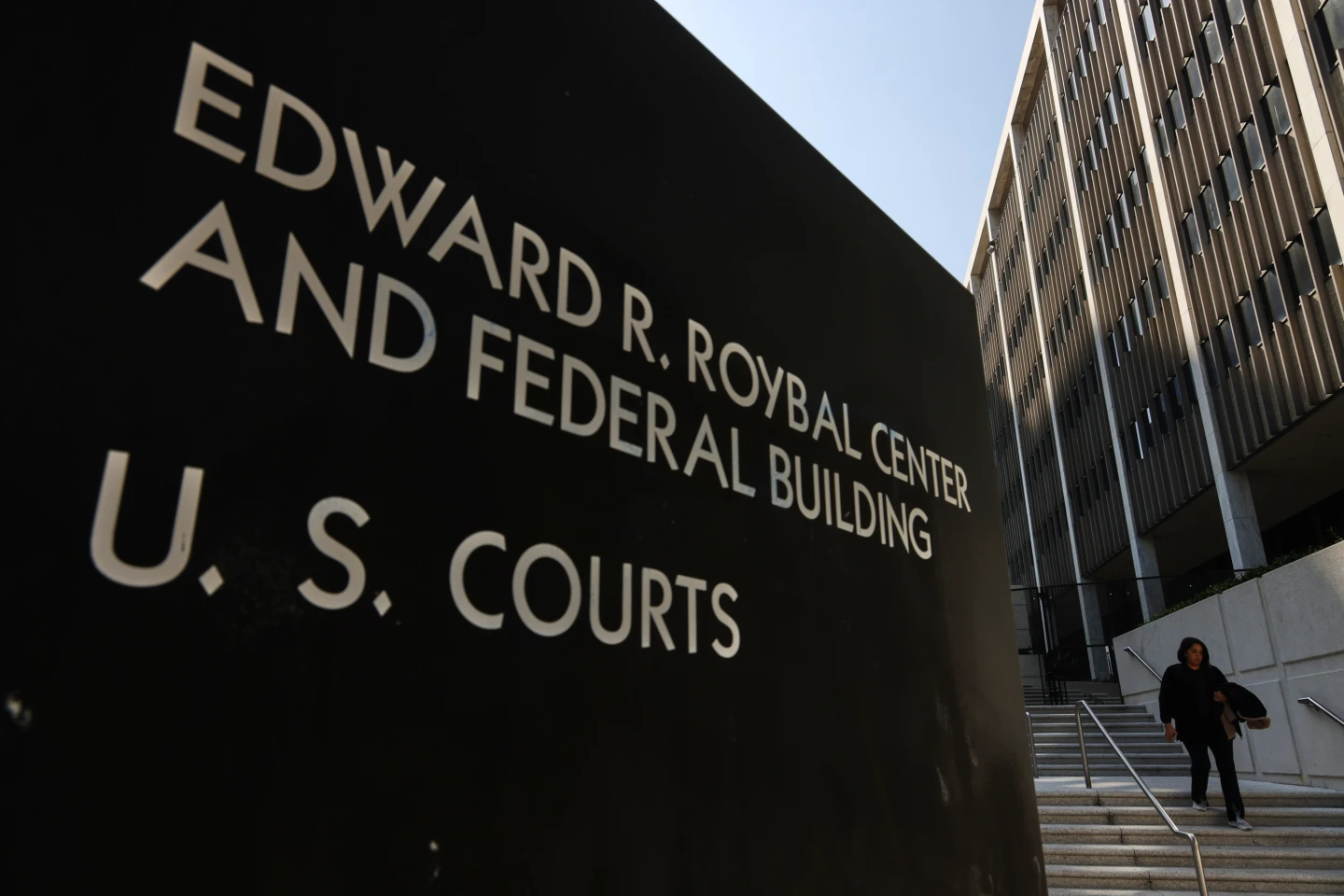
TRENTON, N.J. (AP) — Frustrated with the Justice Department's troubling oversight, U.S. District Judge Zahid N. Quraishi escalated tensions in court, dismissing a federal attorney and demanding testimony under oath from the managing officials of New Jersey's U.S. Attorney's office. This dramatic turn follows a prior ruling declaring the Trump administration's reorganization of the office, which excluded interim U.S. Attorney Alina Habba, a violation of the Constitution’s Appointments Clause requiring Senate confirmation.
The officials — Philip Lamparello, Jordan Fox, and Ari Fontecchio — are currently remaining in their roles amid an ongoing appeal, but Judge Quraishi's faith in their management is wavering. During a hearing on a child sexual abuse case, he criticized the hasty plea agreements and thus ordered fundamental changes and clarifications from the office.
You have lost the confidence and the trust of this Court, Quraishi asserted in pointed remarks meant to address both the prosecutorial team and broader implications for public safety. The Justice Department's spokesperson responded, labeling the judge's approach as an unnecessary judicial dramatics distracting from serious issues.
With complexities arising from conflicting decisions and a stay on the previous ruling concerning the triumvirate's appointment, Judge Quraishi has firmly stated that satisfactory responses are mandatory before he considers the matter resolved. Until then, the current status of prosecution efforts continues to hang in an uneasy balance, reflecting a legal landscape fraught with challenges and scrutiny.
The officials — Philip Lamparello, Jordan Fox, and Ari Fontecchio — are currently remaining in their roles amid an ongoing appeal, but Judge Quraishi's faith in their management is wavering. During a hearing on a child sexual abuse case, he criticized the hasty plea agreements and thus ordered fundamental changes and clarifications from the office.
You have lost the confidence and the trust of this Court, Quraishi asserted in pointed remarks meant to address both the prosecutorial team and broader implications for public safety. The Justice Department's spokesperson responded, labeling the judge's approach as an unnecessary judicial dramatics distracting from serious issues.
With complexities arising from conflicting decisions and a stay on the previous ruling concerning the triumvirate's appointment, Judge Quraishi has firmly stated that satisfactory responses are mandatory before he considers the matter resolved. Until then, the current status of prosecution efforts continues to hang in an uneasy balance, reflecting a legal landscape fraught with challenges and scrutiny.