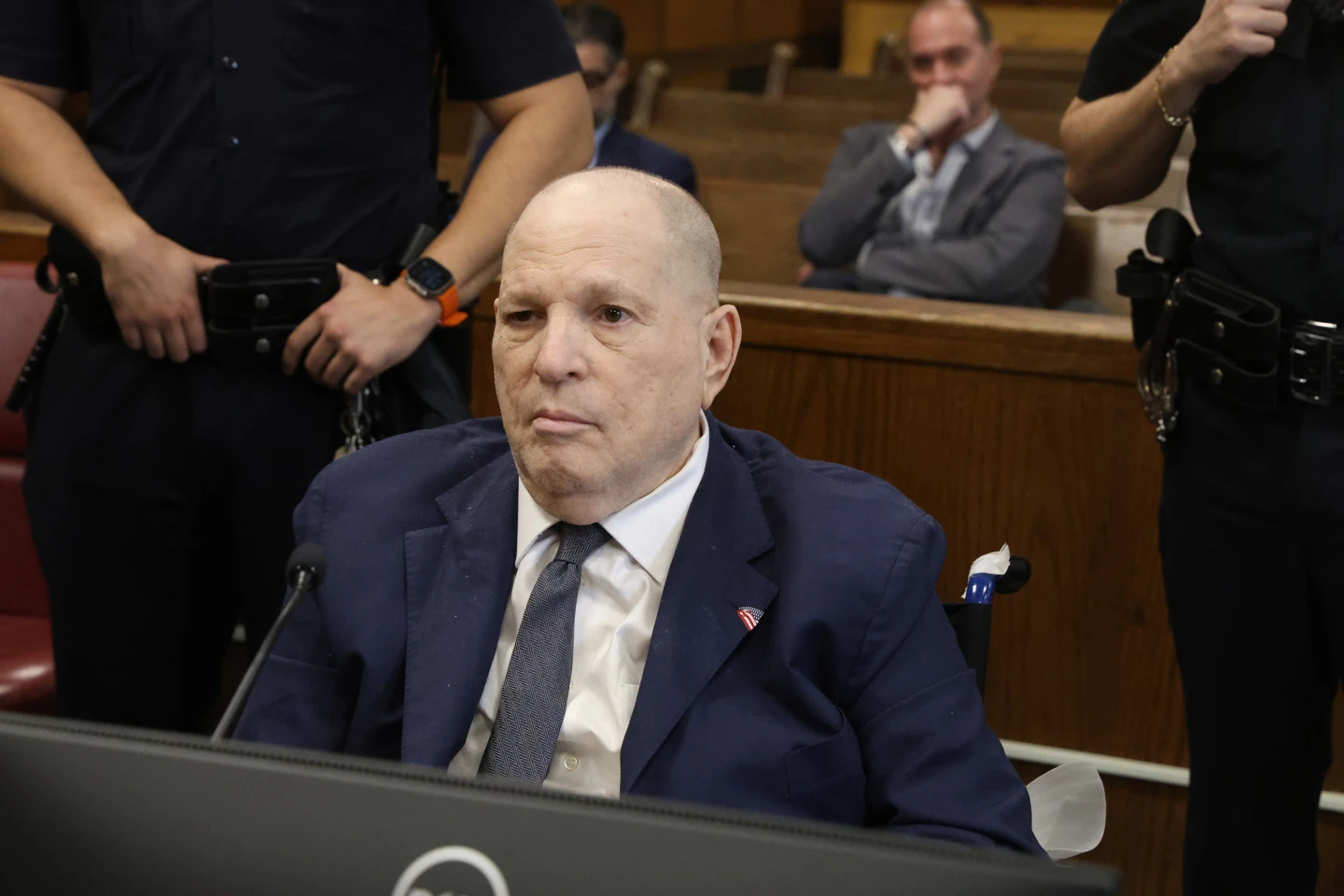
PHOENIX — In a significant turn of events, a federal judge in Phoenix has rejected a plea agreement proposed for Preston Henry Tolth, who admitted to violently assaulting 62-year-old Ella Mae Begay, a respected Navajo elder known for her traditional weaving.
The judge’s ruling means that Tolth, now 26, will face trial for charges of carjacking and assault related to Begay's disappearance in 2021, a date for which has yet to be determined. The plea agreement had suggested a three-year sentence, prompting anger from Begay's family who are still seeking justice and answers regarding her whereabouts.
Begay vanished from Sweetwater, Arizona, a community on the northern edge of the Navajo Nation, leading to widespread media coverage and stirring national conversations about the alarming rates of violence against Indigenous peoples. Despite extensive searches, she remains missing almost five years later.
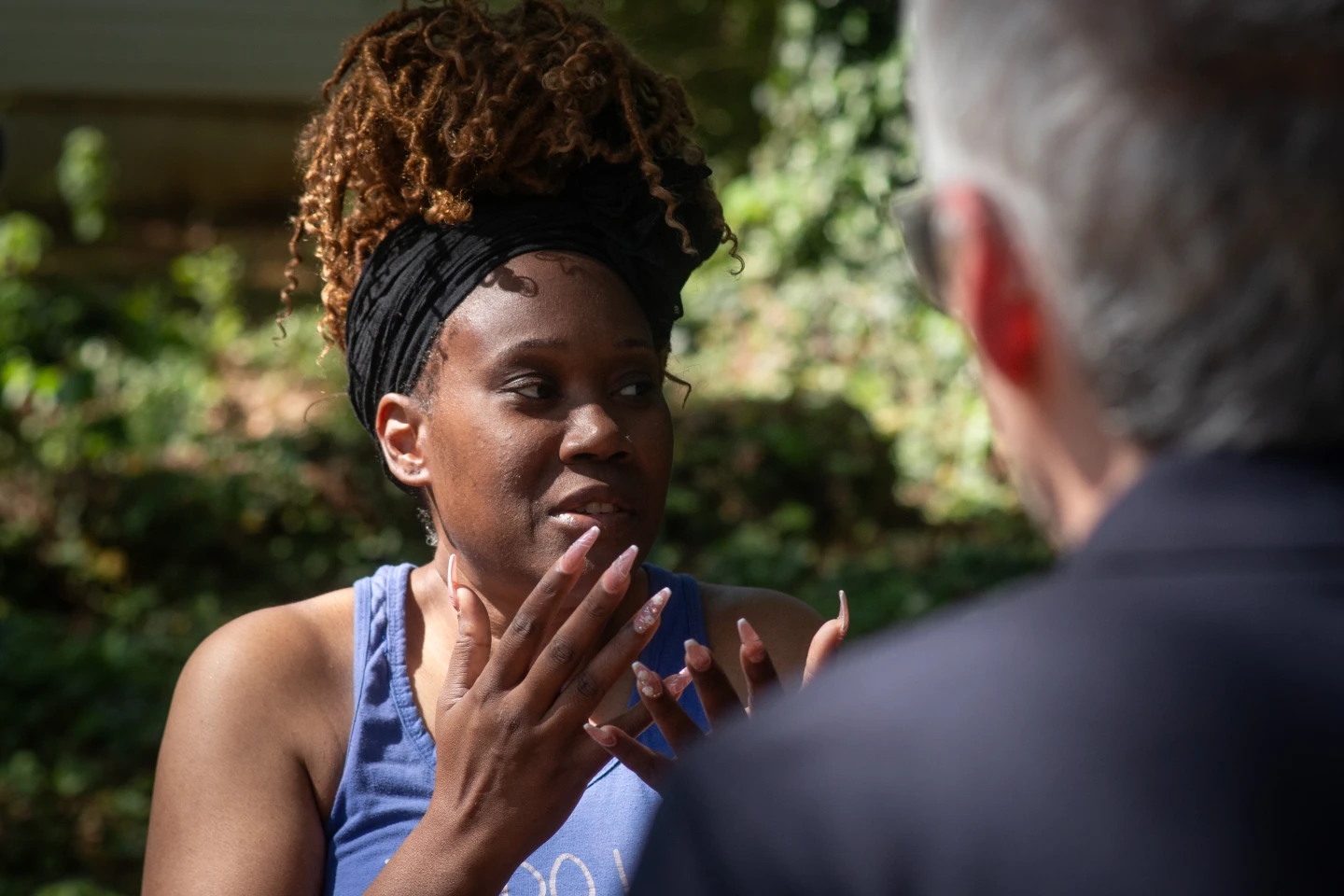
Relatives of Begay expressed anguish during the trial and emphasized the need for thorough justice. Accountability is not time served, said her niece, Seraphine Warren. It’s about truth, and we still don’t have the truth. The family believes that a trial may provide the closure they desperately need.
Warren further implored the judge not to allow Tolth to evade a more extensive punishment. Her sentiments were echoed by Begay’s son, Gerald Begay, who felt let down by the justice system.
Initially denying any wrongdoing, Tolth later confessed to having stolen Begay's vehicle which contained her at the time, admitting to physically assaulting her before leaving her by the roadside. However, a judge recently ruled his confession inadmissible, citing evidence of coercion by law enforcement.
Tolth’s fate now depends on the upcoming trial, which his public defender argues should take into account his troubled background and history of homelessness. Prosecutors, acknowledging the weakened case due to the confession ruling, indicated that the plea agreement could have offered Begay's family a degree of resolution, yet her relatives have expressed a strong desire to confront the matter in court.
As the family continues to seek justice, they emphasize their resolve: We want to see this go to trial because we have nothing to lose, Warren said. If we lose, at least we fought.\